

bahía san blas — isla del jabalí
Fishing village on an island within the Bahía San Blas reserve, at the southern tip of Buenos Aires province. Croaker, pescadilla and large sharks, always released.
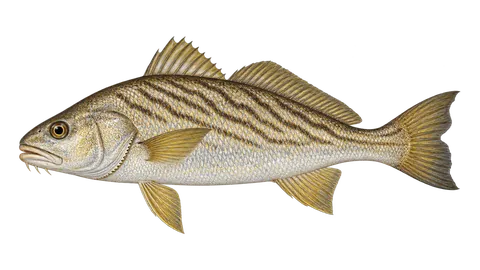
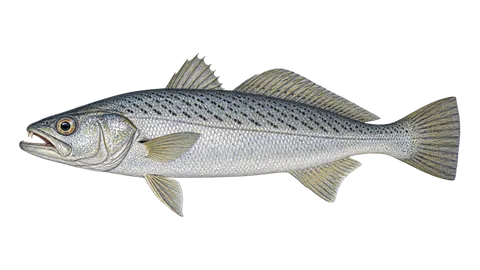
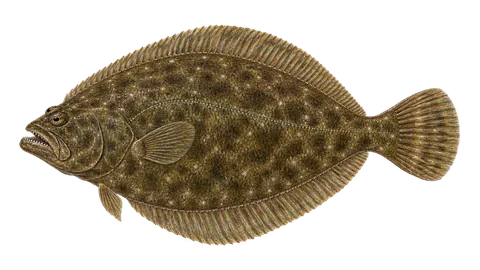
Bahía San Blas sits on Isla del Jabalí, in Patagones district, inside a provincial reserve of islands, estuaries (rías), sandbanks and marshes. The village began as a fishing colony and, since the 1960s, has become one of the province's sport-fishing centers. In front of the village the shore is pebbly and the bottom drops off quickly; to the south, sandy beaches offer varied fishing for croaker (corvina rubia), pescadilla (whiting), gatuzo, rays and pez palo. By boat, trips head to the front of Isla Gama and to the channels between the islands. Large sharks enter the bay and are caught only for release: escalandrún (sand tiger shark, Carcharias taurus), bacota (copper shark, Carcharhinus brachyurus), with many juveniles, and gatopardo (sevengill shark, Notorynchus cepedianus), which uses Bahía Anegada as a nursery. In the ría of the Jabalí stream, on a rising tide, you can catch pejerrey and flounder (lenguado).
best season
From spring to the end of summer, October to March, with warmer water and coastal sharks in the bay. On the sandy beaches south of the village, cazón usually shows up from September to December.
Local rules: Buenos Aires Province sport fishing license required. Under the marine regulation (Disp. 217/07), escalandrún, bacota, gatopardo, cazón and hammerhead shark must be released: one rod per boat angler, two from shore, a single circle hook and line of 0.70 mm or more. Mixed catch up to 40 fish per day; black drum, rays and pez ángel no more than 2; corvina rubia at least 35 cm and pescadilla at least 30 cm. The bay is a Multiple-Use Natural Reserve (Law 12.788): sport fishing is allowed but may be suspended. Check local rules.
- getting there
- From RN 3, a signposted access road of about 60 km leads to Isla del Jabalí. Carmen de Patagones, the district seat, is about 100 km away; Viedma, which has an airport, lies next to Patagones.
- facilities
- Hotels, cabins, campsites, restaurants and fish-filleting stations in the village, a health post, the Prefectura (coast guard) and a fishermen's pier at the entrance to town.
- country
- Buenos Aires, Argentina
tip
For shark, use a large circle hook, heavy line and long pliers. Release the fish in the water, without dragging it over the pebbles. Estuaries drain fast on the falling tide: check the tide table.
Loading…
Each card shows the day's index (0 to 100) and, below it, a strip with the index for each hour, from 0h to 23h. from poor to excellent.
what you can catch here
before you fish in Argentina
There is no national license: the sport fishing license belongs to each province. In northern Patagonia, the Patagonian Regulation permit issued by Neuquén, Río Negro, Chubut or the National Parks Administration (APN) is valid in all these jurisdictions, including the southern parks; in 2025/2026 it cost $40,000 per season for residents of the country and from $50,000 (day) to $280,000 (season) for non-resident foreigners, with online purchase. Santa Cruz and Tierra del Fuego have their own permits (TDF 2026/2027: foreigners from $78,000 per day to $260,000 per season). On the coast (Buenos Aires, Entre Ríos, Corrientes) each province issues its own.
- The license is provincial. In Patagonian national parks, the APN permit or the provinces' Patagonian permit is valid, and fishing is only allowed in the environments listed in the parks' annex.
- Patagonian Regulation (2025/2026): general season from November 1 to May 1; in rivers and streams, including 200 m from their mouths, mandatory release with a single barbless hook, except for exceptions in the annexes; as a rule, one artificial lure with a single hook; selling fish prohibited; felt-soled boots prohibited.
- In national parks, all native species (perch, Patagonian pejerrey, catfish, peladillas) must be released; Atlantic salmon must be released in all environments under the regulation.
- Golden dorado: in Corrientes it is a Provincial Natural Monument (Law 6,730/2025); in Entre Ríos commercial fishing is prohibited and sport fishing is catch-and-release only (Law 11,174/2024); on the Uruguay River, shared with Uruguay, there's a CARU closed season from September 1 to December 31.
- Tierra del Fuego (2026/2027): season from October 30, 2026 to May 2, 2027, fly and spinning only, and mandatory release in all provincial environments starting March 1, 2027.
The rules and closed seasons in the rest of the app are Brazilian. Outside Brazil, the regulations of the country and province apply: confirm with the official agency.
sources and references
Access, facilities and season information changes: check with the lodge, a local guide or the city hall before you travel.
- official Província de Buenos Aires, Dirección Provincial de Pesca — Disposición 217/07 (pesca esportiva na costa marítima)Categories, bag limits and minimum sizes; mandatory release of large coastal sharks (art. 14); names Bahía Anegada as a nursery area for gatopardo and bacota. Disp. 78/14 limited gatuzo and spiny dogfish to 10 per day
- official SINDYD Buenos Aires — Ley 12.788 (Reserva Natural de Uso Múltiple Bahía San Blas), texto atualizado pela Ley 13.366Law 13.366 created an exception for artisanal and sport fishing in the reserve; the enforcement authority may suspend it
- technical Província de Buenos Aires, Dirección Provincial de Pesca — La pesca artesanal en la zona sur de la Bahía Anegada (maio de 2009)San Blas as a sport-fishing hub since the 1960s; pescadilla, gatuzo and pejerrey in the bay
- market Conocé la Provincia — Bahía San Blas, Isla del Jabalí (cópia de 2013 no Internet Archive)Tourist guide: access via RN 3, shore and boat fishing spots, and species. Services and roads may have changed since then