

lake atitlán — sololá
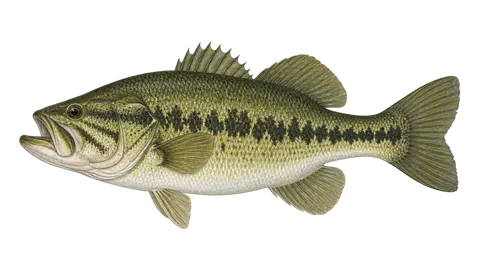
Volcanic lake of 130 km² in the highlands, surrounded by three volcanoes. Introduced black bass, fished from a launch or from a dugout canoe near the shore.
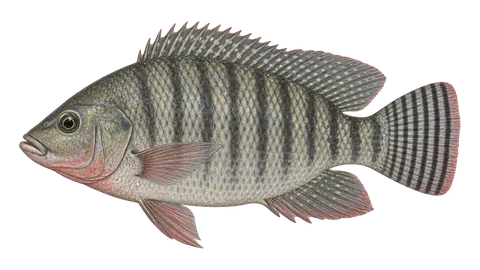
Lake Atitlán fills a caldera in the highlands of Sololá, at the foot of the volcanoes San Pedro, Tolimán and Atitlán, with Maya villages along its shores. The sport fish is black bass, brought in from outside last century. It wiped out part of the native fish and was one of the factors behind the extinction of the Atitlán grebe, the pato poc, a bird found only there that Congress had already declared extinct in 1996. Today the bass lives among rocks, cliffs and tule beds, and is fished from a launch with artificial lures or by local fishers in cayucos, wooden dugout canoes. Tilapia is also present, raised in cages at some points. The lake level has been falling since 2014, and the invasive plant hydrilla is spreading in the shallows.
best season
Fishing all year round. In the dry season, November to April, mornings tend to be calmer; from May to October it rains almost every afternoon.
Local rules: The lake and its basin make up the Cuenca del Lago de Atitlán Multiple-Use Reserve (Decree 64-97), run by CONAP with support from AMSCLAE (Decree 133-96). The lake is an extensive-use zone, and the law lists sustainable use of fishery resources among its goals. The General Fisheries Law (Decree 80-2002) and its regulations allow sport fishing in public inland waters, with MAGA authorization. The rules reviewed set no bag limit or minimum size for bass. Care of the tule falls to the communities (Decree 112-96): do not cut or drag the tule. Never release fish from elsewhere into the lake. Confirm local rules.
- getting there
- From Guatemala City, along the Interamericana (CA-1) to Sololá and down to Panajachel, about 3 hours. Public launches connect Panajachel with the lakeside villages.
- facilities
- Hotels and inns at every level in Panajachel, San Marcos, San Pedro and Santiago Atitlán, rental launches and local boatmen at the piers.
- country
- Sololá, Guatemala
tip
Fish early: in the afternoon the xocomil wind kicks up strong waves on the lake. Work the rocks and the edge of the tule with bottom and mid-water baits.
Loading…
Each card shows the day's index (0 to 100) and, below it, a strip with the index for each hour, from 0h to 23h. from poor to excellent.
what you can catch here
before you fish in Guatemala
Under the General Fisheries and Aquaculture Law (Decree 80-2002), sport fishing is authorized by MAGA through a license, after the boat is registered with the naval authority. The license is valid for 10 years and pays an annual fee based on boat length (in the law: Q800 up to 8 m, Q2,400 from 8.01 to 12 m and Q8,000 above 12 m). A foreign-flagged boat needs a fixed-term permit (Q2,000 per tournament, per the law). Those fishing with an operator go out on a licensed boat: confirm with the operator.
- Sailfish (Istiophorus platypterus) is reserved for sport fishing, and its commercial fishing is prohibited; in sport fishing, only catch and release of live fish back to the sea (Decree 80-2002, art. 28 and art. 80, j).
- In sport fishing for billfish (family Istiophoridae), only circle hooks are allowed (Government Agreement 223-2005, art. 60).
- For large pelagic fish, the regulation authorizes trolling in catch-and-release mode (art. 61). Tournaments must be coordinated with the fisheries authority.
The rules and closed seasons in the rest of the app are Brazilian. Outside Brazil, the regulations of the country and province apply: confirm with the official agency.
sources and references
Access, facilities and season information changes: check with the lodge, a local guide or the city hall before you travel.
- official AMSCLAE — Decreto 64-97, Ley que declara Área Protegida de Reserva de Uso Múltiple Cuenca del Lago de Atitlán625 km² reserve, 130 km² lake; the lake is an extensive-use zone; CONAP administration; goal of sustainable use of fishery resources
- official AMSCLAE — Decreto 112-96 (Ley Tul), Diario de Centro América, 12/12/1996Considers the pato poc extinct in the lake and leaves the year-round conservation of the tule to the communities
- scientific FishBase — Micropterus salmoides na GuatemalaIntroduced species, present in Lakes Atitlán and Calderas; it destroyed local species and was one of the factors in the extinction of Podilymbus gigas
- official AMSCLAE — Informe anual Conservación y manejo de las zonas litorales del lago Atitlán, 2025Lake level falling since 2014, invasive hydrilla, tilapia cages and artisanal fishing in the littoral zone