

laguna cáceres and tamengo canal — puerto quijarro
Bolivia's gateway to the Pantanal, next to Corumbá. A lagoon and canal connected to the Paraguay River, between two large protected areas.
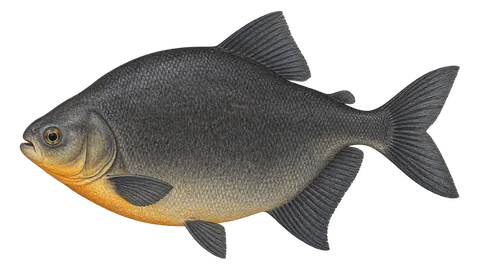
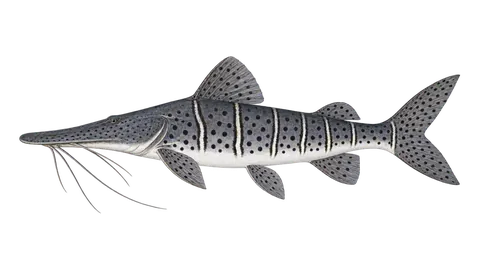
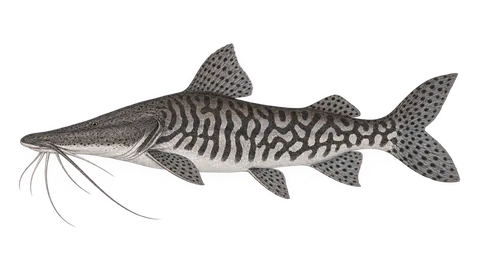
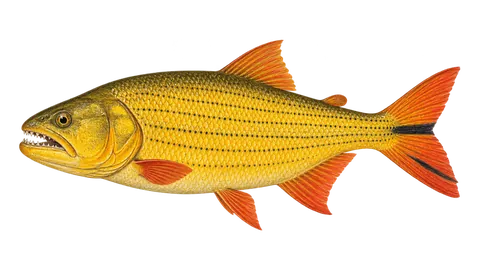
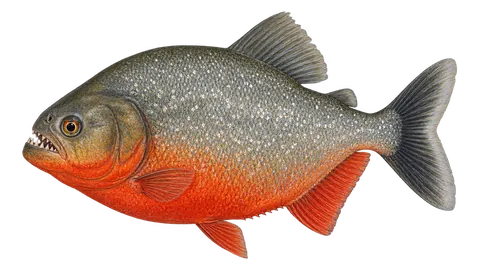
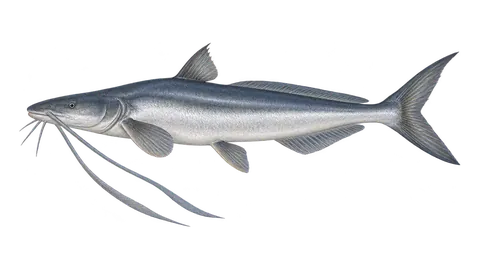
Puerto Quijarro and Puerto Suárez sit at the far east of Bolivia, next to Corumbá (MS). Laguna Cáceres and Pimiento Creek are the most accessible part of Otuquis National Park and Integrated Management Area, navigable by small boats. Via the Tamengo Canal, which runs past Puerto Quijarro, you reach the Paraguay River and, from there, the large border lagoons such as Mandioré, La Gaiba and Uberaba, in the San Matías Integrated Management Area. Fishing is by boat on the canal, the lagoon and the river: pacu with natural bait along the edges, pintado and cachara on the canal bottoms, and dorado in the currents. Tourist fishing on the Bolivian side is small; the largest boat fleet in the region is in Corumbá.
best season
From falling water into the dry season, May to October, when the water drops and fish gather in the canal and at bay mouths.
Local rules: Laguna Cáceres lies within PN and ANMI Otuquis, and the border lagoons within ANMI San Matías, protected areas of SERNAP with indigenous and peasant communities: activities follow each area's management plan. The Paraguay River stretch at Corumbá is Brazilian: on the Brazilian side, the license and the Mato Grosso do Sul rules apply, including the piracema (spawning closure). In Bolivia, the license, registration and closed seasons are set by Law 938/2017 (IPD-PACU). Confirm the local rules.
- getting there
- Airport in Puerto Suárez. By road from Santa Cruz de la Sierra, via the Santa Cruz–San José–Puerto Suárez highway, or by train. The border with Corumbá is right next door.
- facilities
- Hotels in Puerto Quijarro and Puerto Suárez and boatmen on the Tamengo Canal. Houseboats and fishing inns on the Brazilian side, in Corumbá.
- country
- Santa Cruz, Bolivia
tip
Decide before you leave whether you'll fish in Bolivian or Brazilian waters: the license changes. For pacu, bring natural bait and a strong hook; they have crushing teeth.
Loading…
Each card shows the day's index (0 to 100) and, below it, a strip with the index for each hour, from 0h to 23h. from poor to excellent.
what you can catch here
before you fish in Bolivia
Law 938/2017 (Sustainable Fishing and Aquaculture) defines sport fishing as a non-profit activity and assigns IPD-PACU the issuance of licenses and the National Single Fishing Register. Requirements, deadlines and fees are set in the law's regulation and in a resolution of the Ministry of Rural Development and Lands: confirm with IPD-PACU or with the operator. In a protected area, entry depends on SERNAP and, in indigenous territory, on indigenous organizations.
- Closed seasons are set by IPD-PACU and must be announced at least 30 days in advance (Law 938, art. 16). During a closed season it is prohibited to take, hold, transport and sell the protected species.
- Fishing with explosives, firearms, chemical substances and bottom trawling is prohibited (Law 938, art. 17).
- Everyone who fishes must be registered in the National Single Register of Fishing and Aquaculture (Law 938, art. 29).
- In the Indigenous Territory and Isiboro-Sécure National Park (TIPNIS), sport fishing is fly-only with mandatory release, within community tourism operations (SERNAP).
The rules and closed seasons in the rest of the app are Brazilian. Outside Brazil, the regulations of the country and province apply: confirm with the official agency.
sources and references
Access, facilities and season information changes: check with the lodge, a local guide or the city hall before you travel.
- official SERNAP — Atlas de las Áreas Protegidas: PN y ANMI Otuquis (p. 289 a 302) e ANMI San Matías (p. 321 a 334)Laguna Cáceres and Pimiento Creek (Otuquis); river access via the Tamengo Canal to the Mandioré, La Gaiba and Uberaba lagoons (San Matías). Large file
- official Estado Plurinacional da Bolívia — Lei nº 938/2017 (Pesca e Aquicultura Sustentáveis)Text on FAOLEX (FAO)