

karanambu — rupununi river
Lodge on the banks of the Rupununi, founded by conservationist Diane McTurk, with catch-and-release arapaima (pirarucu) and payara and peacock bass in the river.
Karanambu sits on the bank of the Rupununi River, in North Rupununi, and is a lodge founded by conservationist Diane McTurk, with boat trips to see giant otters, capybaras and birds. The Rupununi is one of the region's fishing rivers: peacock bass (lukanani, Cichla ocellaris), payara and arapaima (pirarucu), on guided trips led by indigenous guides and always catch and release. Karanambu was part, with Surama and Rewa, of the group of lodges in the arapaima catch-and-release project in North Rupununi. The annual flood covers the savanna and forms lagoons and eddies; fishing is from a boat, by casting and fly, along the banks, at lagoon mouths and in pools.
best season
Dry season in the interior, September to December and January to early May, according to the tourism authority. From mid-May to August, rains flood the savanna and worsen the roads.
Local rules: Arapaima are protected aquatic wildlife: catching one requires a license from the Fisheries Department, and injuring or harassing the fish is an offense (Fisheries (Aquatic Wild Life Control) Regulations, 1966). At Rupununi lodges, arapaima fishing is catch and release only, with a guide. The national catch-and-release regulation was drafted in 2016 and, as of 2017, there was still no specific license: confirm with the Fisheries Department. Indigenous community lands and waters: follow the communities' rules. Check local rules.
- getting there
- There is a dirt airstrip near Karanambu for charter flights from Georgetown. By road, the Georgetown–Lethem highway plus a final stretch by 4x4 or boat, arranged with the lodge. In the rainy season, the roads get worse.
- facilities
- Lodge with mud-brick cabins and open verandas, meals and boat trips at sunrise and sunset. Local indigenous guides lead the fishing.
- country
- Upper Takutu-Upper Essequibo (Região 9), Guyana
tip
Arapaima surface to breathe and show where they are. Use strong tackle to release them quickly, and don't lift them out of the water for a photo.
Loading…
Each card shows the day's index (0 to 100) and, below it, a strip with the index for each hour, from 0h to 23h. from poor to excellent.
what you can catch here
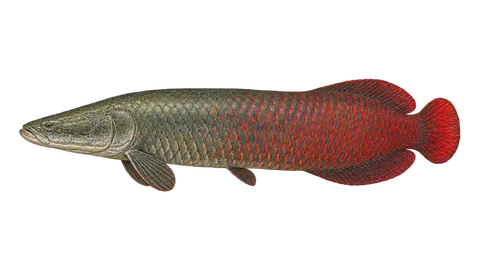
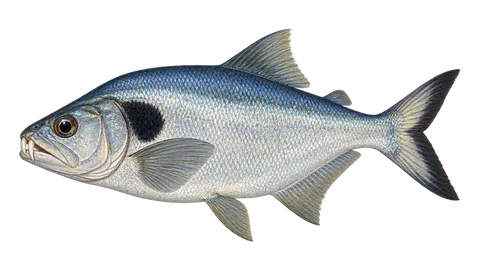
before you fish in Guyana
We did not confirm a national sport fishing license for tourists in inland waters. In Rupununi, fishing is done through community lodges, which follow the rules of the communities and the Ministry of Agriculture. Confirm with the Fisheries Department before traveling.
- Arapaima (pirarucu): in North Rupununi, the NRDDB community management plan applies, with a local ban on arapaima fishing. Sport fishing is catch and release only, at the community lodges.
- The national catch-and-release regulation for arapaima was drafted in 2016; in 2017 the government reported there was still no specific license for this fishing. Confirm whether it has been adopted.
- In protected areas (Kanuku Mountains, Iwokrama, Kaieteur and others), follow the rules of the Protected Areas Commission or of Iwokrama.
The rules and closed seasons in the rest of the app are Brazilian. Outside Brazil, the regulations of the country and province apply: confirm with the official agency.
sources and references
Access, facilities and season information changes: check with the lodge, a local guide or the city hall before you travel.
- official FAOLEX — Fisheries (Aquatic Wild Life Control) Regulations, 1966 (Reg. 3/1966, Cap. 71:08, Laws of Guyana)Arapaima on the list of controlled aquatic wildlife: catch only with a license from a fishery officer; injuring or harassing is an offense; accidental catch must be reported
- official Guyana Tourism Authority — Travel tips (estações seca e chuvosa)Interior dry season January to early May and September to December; in the rainy season, the roads get difficult
- market Visit Rupununi — Exploring the Rupununi River: The Heart of Guyana’s Wild FrontierFishing on the Rupununi: peacock bass, payara and arapaima, with indigenous guides and catch and release
- market Visit Rupununi — Eco Lodges in Guyana: Sustainable Retreats in the RupununiKaranambu Lodge on the bank of the Rupununi, founded by Diane McTurk; mud-brick cabins; trips to see giant otters and birds