

pacaya-samiria national reserve
The "Mirror Forest": 2 million hectares of blackwater rivers and lakes between the Marañón and Ucayali. Sport fishing only where the master plan allows it.
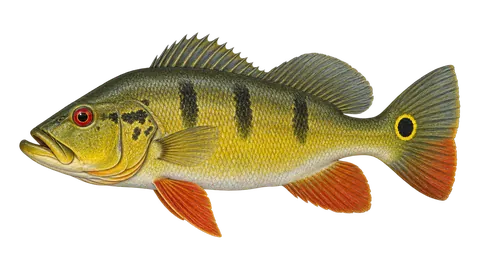
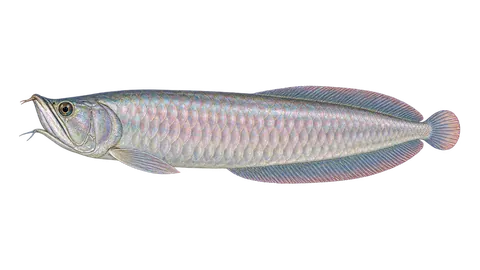
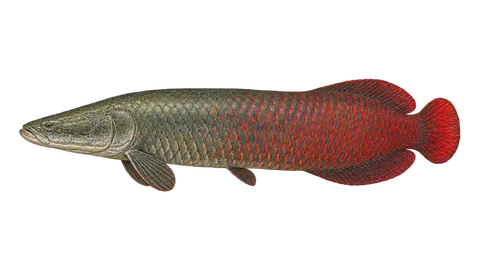
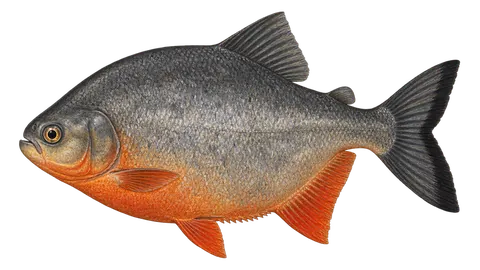
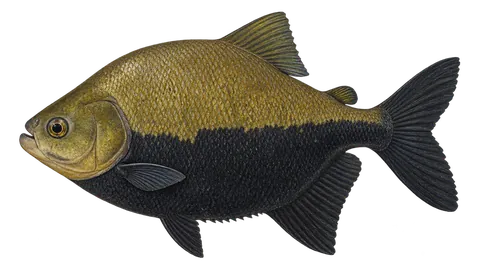
Pacaya-Samiria covers the plain between the Marañón and the Ucayali, which join just below to form the Amazon. It has about 2 million hectares of rivers, lakes and flooded forest, with dark water that reflects the forest. The reserve was created in 1972, among other reasons, to protect paiche, and today Indigenous and riverside communities make a living managing this fish. Sport fishing is allowed in the water bodies defined in the master plan, within the areas for tourist use. The most-used route is the Yanayacu-Pucate River to Cocha El Dorado, with peacock bass and arowana in the lagoons and along the edges. Paco and gamitana appear in the flooded forest, and paiche can be seen surfacing in the cochas.
best season
Falling water and low water, June to October. SERNANP recommends visiting May to September; the rainy season runs October to April.
Local rules: Protected natural area: entry with an operator or local group authorized by SERNANP and payment of the entrance fee. Sport fishing only in the water bodies defined in the master plan. Paiche: season March to September and minimum 160 cm, and in the reserve it is managed by the communities: release it. Confirm the local rules.
- getting there
- From Iquitos, road to Nauta and boat up the Marañón to the mouth of the Yanayacu-Pucate, near the community of Veinte de Enero. There are also multi-day river cruises.
- facilities
- Lodges, shelters and camping areas along the Yanayacu-Pucate, river cruises and community tourism groups. Entry is only with an operator or local group authorized by SERNANP.
- country
- Loreto, Peru
tip
Agree on fishing with the operator before booking the package: not every route allows sport fishing. Bring small surface and mid-water lures for peacock bass in the cochas.
Loading…
Each card shows the day's index (0 to 100) and, below it, a strip with the index for each hour, from 0h to 23h. from poor to excellent.
what you can catch here
before you fish in Peru
In the Amazon, the Fisheries Management Regulation (DS 015-2009-PRODUCE) says individual sport fishing does not require a fishing permit; anyone fishing from a sport fishing vessel pays an access fee of 0.005 UIT per person per day, for total catch of up to 10 kg. At sea, individual sport fishing is treated as non-commercial and there is no specific license. In a natural protected area, enter with an operator authorized by SERNANP and pay the entry fee.
- Blue marlin, black marlin, striped marlin and sailfish: commercial fishing and sale prohibited; in sport fishing, catch and release only (DS 009-2008-PRODUCE).
- Paiche (arapaima): season from March to September; fishing, holding, transporting and selling prohibited from October 1 to February 28 in public waters, except in the Putumayo basin (RM 215-2001-PE, amended by RM 320-2020-PRODUCE).
- Paiche: minimum catch size of 160 cm total length (RM 147-2001-PE, section 4.3, kept by DS 015-2009-PRODUCE).
- In natural protected areas of the Amazon, fishing follows the area's master plan and the fisheries management programs approved with SERNANP.
The rules and closed seasons in the rest of the app are Brazilian. Outside Brazil, the regulations of the country and province apply: confirm with the official agency.
sources and references
Access, facilities and season information changes: check with the lodge, a local guide or the city hall before you travel.
- official SERNANP — Visita Áreas Naturales: Reserva Nacional Pacaya SamiriaEntry with authorized operators, fees and recommended season
- official SERNANP — Reserva Nacional Pacaya Samiria (informes y publicaciones)Created in 1972, tourism use areas and the Yanayacu-Pucate route
- official MINCETUR — Inventario turístico: Reserva Nacional Pacaya-SamiriaSport fishing in the water bodies defined in the 2024–2028 Master Plan
- official El Peruano — Resolución Ministerial 00320-2020-PRODUCE (temporada de pesca del paiche)