

san juan river — el castillo
Freshwater tarpon in the rapids of the San Juan River, between Lake Cocibolca and the Caribbean, next to the Indio Maíz Reserve.
The San Juan River links Lake Cocibolca (Lake Nicaragua) with the Caribbean and forms the border with Costa Rica. Tarpon run up the river from the sea and gather in the rapids of El Castillo, a village at the foot of a Spanish fortress. Fishing is from a boat, with heavy artificial lures, jigs and natural bait, in the eddies below the rapids. Swordspine snook and fat snook hold at the mouths of tributaries; guapote and machaca provide action in the smaller rivers. Downriver on the Nicaraguan bank is the Indio Maíz Biological Reserve, one of the largest forests in Central America. Fishing is done with lodges and local guides.
best season
Tarpon run up the river all year. The dry season, from February to May, leaves the water clearer and navigation easier.
Local rules: The minimum size for tarpon in inland waters is 120 cm (INPESCA, 2019); swordspine snook 50 cm, fat snook 30 cm and guapote 25 cm. In practice, lodges release tarpon: do the same. Indio Maíz Biological Reserve and the San Juan River Wildlife Refuge are MARENA protected areas: enter only with a guide and with the operator's permits. The river is Nicaraguan territory and borders Costa Rica: bring your passport. Check local rules.
- getting there
- From Managua to San Carlos, by domestic flight or about five hours by road. From San Carlos, a scheduled or charter boat to El Castillo, downriver.
- facilities
- Fishing lodges and simple inns in El Castillo and along the river, with guides and boats. San Carlos has hotels and shops.
- country
- Río San Juan, Nicaragua
tip
Tarpon jump right after the hookset: lower the rod tip when it leaves the water, so you don't snap the line or lose the hook.
Loading…
Each card shows the day's index (0 to 100) and, below it, a strip with the index for each hour, from 0h to 23h. from poor to excellent.
what you can catch here
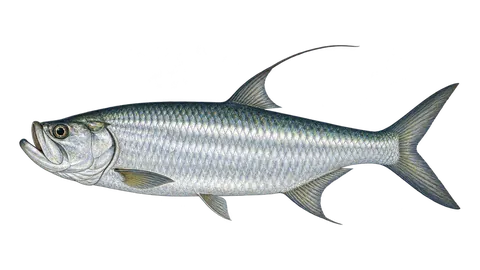
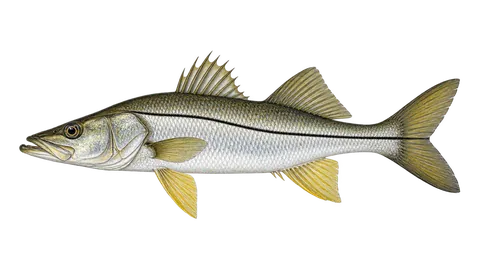
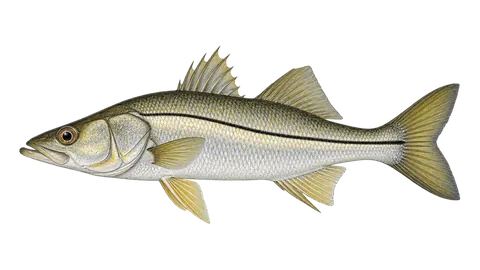
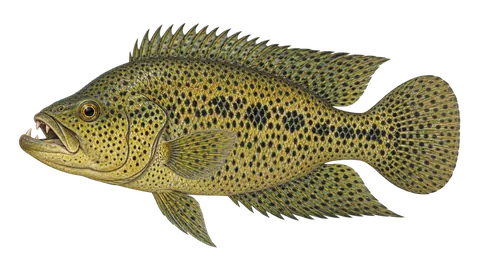
before you fish in Nicaragua
INPESCA is the fisheries authority and MARENA manages protected areas. We have not confirmed from an official source how a tourist obtains a sport fishing license: lodges and guides on the Río San Juan provide guidance. Confirm with INPESCA before the trip.
- Minimum catch sizes in inland waters (INPESCA, 2019): tarpon (sábalo real) 120 cm; common snook (robalo flecha, Centropomus undecimalis) 50 cm; Centropomus pectinatus snook 50 cm; fat snook (robalo peva, C. parallelus) 30 cm; guapote lagunero (Parachromis dovii) 25 cm; gaspar 80 cm.
- The Indio Maíz Biological Reserve and the Río San Juan Wildlife Refuge, in the department of Río San Juan, are MARENA protected areas: follow the visiting rules and enter only with a local guide or operator.
The rules and closed seasons in the rest of the app are Brazilian. Outside Brazil, the regulations of the country and province apply: confirm with the official agency.
sources and references
Access, facilities and season information changes: check with the lodge, a local guide or the city hall before you travel.
- official INPESCA — Tallas mínimas de captura permitidas: aguas continentales (2019)Tarpon 120 cm; snook 30 to 50 cm; guapote lagunero 25 cm
- official MARENA — Reserva Biológica Indio Maíz (2 de julho de 2024)Reserve in Río San Juan department, 316,720 ha
- official MARENA — Nuestra riqueza natural en Río San Juan (19 de setembro de 2026)San Juan River Wildlife Refuge, El Castillo municipality