

inírida and atabapo rivers — inírida
Blackwater at the Estrella Fluvial del Inírida, where the Inírida, Guaviare and Atabapo meet the Orinoco. Açu peacock bass on indigenous territory.
Inírida is the capital of Guainía, in eastern Colombia, near where the Inírida, Guaviare and Atabapo rivers join the Orinoco. They are blackwater and clearwater rivers, with lagoons, rocky ledges and the granite hills of Mavecure. Açu peacock bass (Cichla temensis) is the main target, in the lagoons and along the edges, and butterfly peacock bass adds numbers. Payara (cachorra) and bicuda appear in the currents. Fishing is by casting, from a boat with a guide, and many fishing areas are on indigenous reserves (resguardos). Together with Puerto Carreño, the town is one of the Orinoquia's tourist fishing hubs.
best season
Dry season, December to March, when the blackwater drops and exposes beaches and lagoons. Orinoquia closed season from after Holy Week to May 31.
Local rules: Sport fishing was declared unconstitutional (Ruling C-148/2022). Law 2.501/2025 created "tourism fishing", with a permit from AUNAP, but the regulations had not yet been issued as of January 2026: confirm with AUNAP and your operator before you travel. The Orinoquia closed season, which includes Guainía, runs from the first Monday after Holy Week to May 31 (AUNAP Res. 2663/2022). On indigenous reserves, only with authorization and agreement with the community. Confirm the local rules.
- getting there
- Flights from Bogotá and Villavicencio. There is no road into the interior of the country; within the region, boat only.
- facilities
- Hotels and inns in town and boats with local guides.
- country
- Guainía, Colombia
tip
In blackwater, lures in strong colors and with noise work best. Bring all the gear you need: the town has a small selection.
Loading…
Each card shows the day's index (0 to 100) and, below it, a strip with the index for each hour, from 0h to 23h. from poor to excellent.
what you can catch here
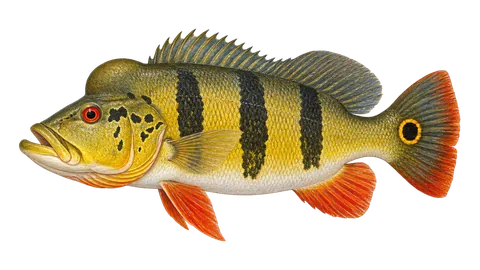
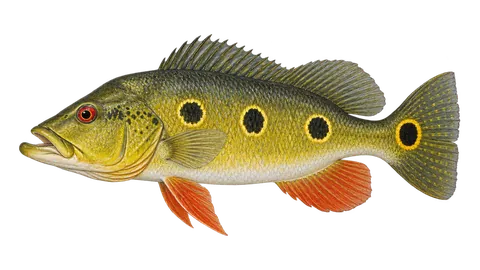
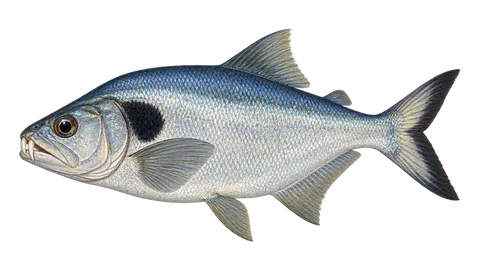
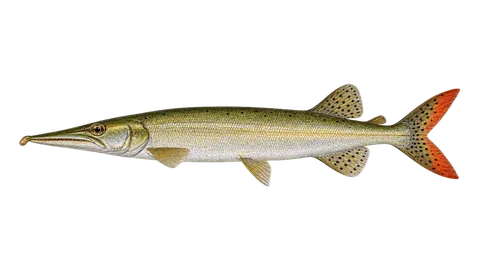
before you fish in Colombia
The Constitutional Court declared sport fishing unconstitutional (Ruling C-148/2022), effective July 2023; AUNAP sport fishing licenses expired on July 22, 2023. Law 2,501/2025 created "tourism fishing": whoever practices it as an economic activity (people, communities and operators) needs an AUNAP permit. Zones, species and seasons depend on a government decree; in January 2026 the Ministry of Commerce and Tourism reported that these decrees had not yet been issued. Before traveling, confirm with AUNAP and with your operator whether the activity is already regulated.
- Orinoquía closed season (Arauca, Casanare, Meta, Vichada, Guainía and Guaviare): from the first Monday after Holy Week to May 31. Fish for consumption may only be sold in the same municipality, and ornamental fish may not be caught (AUNAP Resolution 2663/2022).
- Bita River (Vichada, Ramsar site): gillnets, chinchorro and cast nets prohibited; recreational fishing of pavón real (Cichla intermedia), blue arowana (Osteoglossum ferreirai) and piraíba (valentón) prohibited (AUNAP Resolution 2877/2022).
- In national natural parks, fishing is prohibited, except for authorized scientific fishing and cases the Ministry of Environment allows in defined zones (Decree 1076/2015, art. 2.2.2.1.15.1).
- Tourism fishing may not take place in zones excluded by the authority, and it is prohibited to release exotic species or to move native fish from one basin to another (Law 2,501/2025).
The rules and closed seasons in the rest of the app are Brazilian. Outside Brazil, the regulations of the country and province apply: confirm with the official agency.
sources and references
Access, facilities and season information changes: check with the lodge, a local guide or the city hall before you travel.
- official AUNAP — Boletín: nuevas resoluciones para el manejo de los recursos pesqueros en la Orinoquía (2022)Puerto Carreño and Inírida as sport fishing hubs; Res. 2663/2022
- official AUNAP — Veda de peces de consumo y ornamentales de la Orinoquía inicia después de Semana Santa (2023)
- official Función Pública — Ley 2501 de 2025 (pesca de turismo)