

jardines de la reina
Remote archipelago in southern Cuba, a national park with pristine flats, bonefish, permit and tarpon, catch and release only.
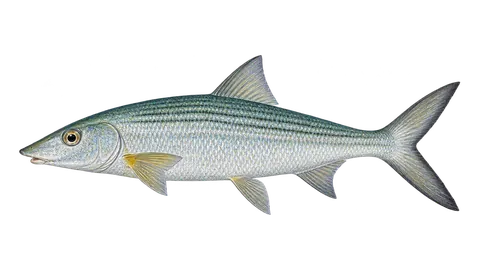
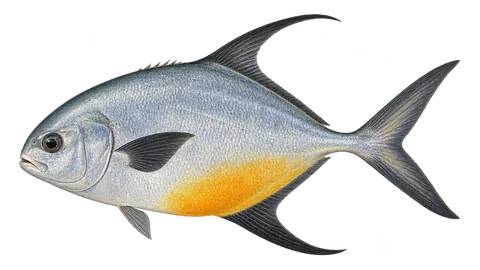
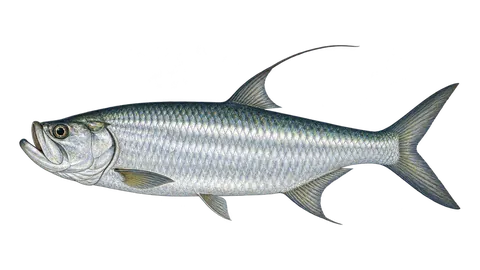
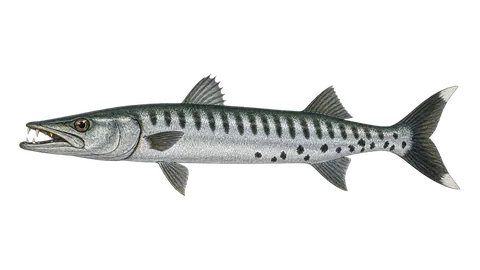
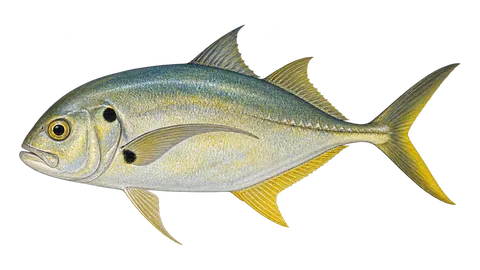
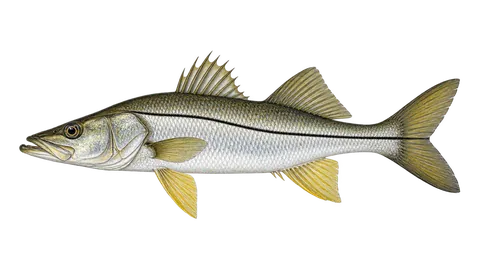
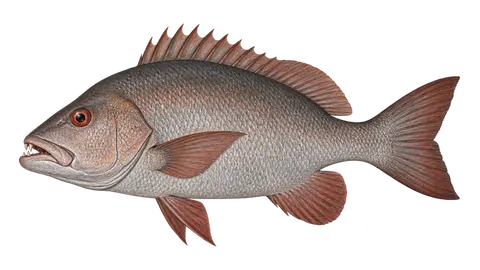
Jardines de la Reina is a chain of hundreds of mangrove islets and flats far off Cuba's south coast, between Ciego de Ávila and Camagüey. It is a national park and one of the best-preserved reef environments in the Caribbean. Fishing is fly fishing on sand and mud flats, mangrove channels and reef edges. Bonefish school in large numbers, permit are common and tarpon hold in channels and lagoons. Barracuda, crevalle jack, snook and cubera snapper round out the list. Operations are run by a few authorized operators, with live-aboard boats and a floating hotel, in weekly packages.
best season
Season from November to July. Bonefish and permit are around all year; large tarpon show up from April to July. August to October is the peak of hurricane season.
Local rules: Jardines de la Reina National Park (217,036 ha, almost all marine), run by the National Enterprise for the Protection of Flora and Fauna. In Cuba, tourist trolling or fly fishing in protected areas is always catch and release, and that is written on the license (Resolution 18/2020 of MINAL). The recreational fishing license is obtained by the operator. Only rod, line and hook are allowed. Check local rules.
- getting there
- From Havana, by road to Júcaro, on the south coast of Ciego de Ávila, then a few hours by boat to the archipelago. The park is also reachable by sea from Playa Florida and Santa Cruz del Sur.
- facilities
- Live-aboard boats and a floating hotel, fly guides, flats boats. There are no villages or shops on the archipelago.
- country
- Ciego de Ávila e Camagüey, Cuba
tip
Permit at Jardines hang close to the stingrays: look for the mud cloud the ray stirs up and drop the crab right in the middle of it.
Loading…
Each card shows the day's index (0 to 100) and, below it, a strip with the index for each hour, from 0h to 23h. from poor to excellent.
what you can catch here
before you fish in Cuba
The recreational fishing license is issued by the provincial offices of the National Office of State Inspection of MINAL, within 72 hours. It can be processed by tourism companies, which is the normal route for visitors: the fishing operator handles the license. Basis: Fishing Law 129/2019, Decree 1/2019 and MINAL Resolution 18/2020 (Official Gazette No. 11, February 7, 2020).
- Recreational fishing only allows rod, baitcasting or spinning reel, line and hook; cast net only at sea and only for bait. Nets, longlines, traps and explosives are prohibited (Decree 1/2019, art. 15).
- Tourist fishing with trolling or fly in protected areas (where the management plan allows it) is always catch and release, and this is written on the license (Resolution 18/2020, art. 35).
- Recreational catch may not be sold. At sea, the limit is up to 15 kg per outing in areas of major fishing interest (30 kg elsewhere) and up to 3 fish over 15 kg per angler (Resolution 21/2020).
The rules and closed seasons in the rest of the app are Brazilian. Outside Brazil, the regulations of the country and province apply: confirm with the official agency.
sources and references
Access, facilities and season information changes: check with the lodge, a local guide or the city hall before you travel.
- official CNAP — Parque Nacional Jardines de la Reina217,036 ha (200,957 marine); Acuerdo 6803/2010; sea access from Júcaro, Playa Florida or Santa Cruz del Sur
- official Gaceta Oficial de la República de Cuba — Ordinaria nº 11 de 2020 (Lei de Pesca 129/2019, Decreto 1/2019, Resoluções 18 e 21/2020 do MINAL)Res. 18/2020, art. 35: in protected areas, tourist trolling or fly fishing is catch and release