

lake titicaca — puno
High-altitude lake, at 3,810 m, between Peru and Bolivia. Trout and pejerrey, both introduced, share the water with native carachi and ispi.
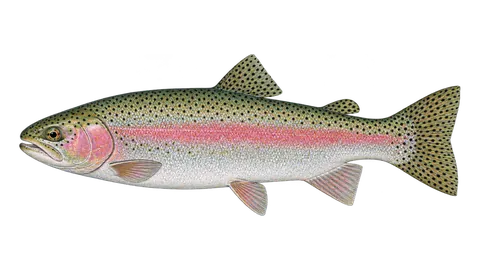
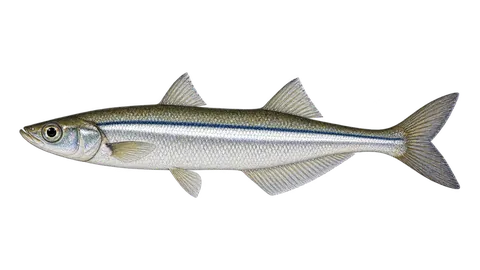
Lake Titicaca sits at 3,810 m altitude on the Peru–Bolivia border, and more than half of its surface is Peruvian. Water temperature is 11 to 14 °C. Puno Bay has extensive totora reed beds; the open Lago Mayor reaches 283 m depth. The native fish are Orestias, such as the yellow carachi (Orestias luteus) and ispi (Orestias ispi), plus mauri (Trichomycterus). Rainbow trout and Argentine pejerrey were introduced and now have commercial value. Lake fishing is artisanal, with nets, from landings spread along the shore. We have not confirmed a sport-fishing fleet: anyone who wants to fish with a rod should arrange a trip with fishermen from communities that host visitors, such as those of the Capachica peninsula, and work the edges of the totora beds and rocky points.
best season
April to June and October to November, outside the pejerrey closed season (July 1 to September 30). December to March is the rainy season on the Altiplano.
Local rules: PRODUCE closed seasons on Titicaca: Argentine pejerrey from July 1 to September 30, every year, with fishing, sale and transport banned (RM 275-2019-PRODUCE); yellow carachi from January 1 to March 31 and August 1 to October 31 (RM 391-2021-PRODUCE). Trout, gray carachi and ispi also have closed seasons: check the dates with DIREPRO Puno. The totora beds of Puno Bay and the Ramis form the Titicaca National Reserve (SERNANP): do not fish there without the reserve's guidance. Check local rules.
- getting there
- Puno sits on the lake's west shore, linked by road to Juliaca, where the region's airport is, and to Cusco and Arequipa. Boats leave Puno's port for the Uros and the islands.
- facilities
- Hotels and agencies in Puno, a port with boats to the Uros, Taquile and Amantaní, and community lodging on the Capachica peninsula and in Chucuito.
- country
- Puno, Peru
tip
At 3,810 m, take it easy and drink water. The water is cold and the wind picks up in the afternoon: leave early, wearing a life jacket. For trout, small spoons and spinners near the totora.
Loading…
Each card shows the day's index (0 to 100) and, below it, a strip with the index for each hour, from 0h to 23h. from poor to excellent.
what you can catch here
before you fish in Peru
In the Amazon, the Fisheries Management Regulation (DS 015-2009-PRODUCE) says individual sport fishing does not require a fishing permit; anyone fishing from a sport fishing vessel pays an access fee of 0.005 UIT per person per day, for total catch of up to 10 kg. At sea, individual sport fishing is treated as non-commercial and there is no specific license. In a natural protected area, enter with an operator authorized by SERNANP and pay the entry fee.
- Blue marlin, black marlin, striped marlin and sailfish: commercial fishing and sale prohibited; in sport fishing, catch and release only (DS 009-2008-PRODUCE).
- Paiche (arapaima): season from March to September; fishing, holding, transporting and selling prohibited from October 1 to February 28 in public waters, except in the Putumayo basin (RM 215-2001-PE, amended by RM 320-2020-PRODUCE).
- Paiche: minimum catch size of 160 cm total length (RM 147-2001-PE, section 4.3, kept by DS 015-2009-PRODUCE).
- In natural protected areas of the Amazon, fishing follows the area's master plan and the fisheries management programs approved with SERNANP.
The rules and closed seasons in the rest of the app are Brazilian. Outside Brazil, the regulations of the country and province apply: confirm with the official agency.
sources and references
Access, facilities and season information changes: check with the lodge, a local guide or the city hall before you travel.
- official SERNANP — Reserva Nacional del TiticacaCreated by DS 185-78-AA; Puno (29,150 ha) and Ramis (7,030 ha) sectors; altitude, depth, water temperature and native fish; community tourism in Capachica and Chucuito
- official PRODUCE — Resolución Ministerial 275-2019-PRODUCE (veda reproductiva del pejerrey argentino en el Lago Titicaca)Closed season July 1 to September 30 each year in the Puno region, except farmed fish
- official IMARPE — Veda regional del carachi amarillo en el lago Titicaca (27/01/2026)RM 391-2021-PRODUCE: closed season Jan 1 to Mar 31 and Aug 1 to Oct 31
- official IMARPE — Monitoreo biológico de los principales recursos pesqueros del Lago Titicaca (09/12/2021)Native Orestias (yellow carachi, gray carachi, ispi), mauri, and introduced trout and pejerrey; closed seasons for pejerrey, yellow carachi, trout, gray carachi and ispi