

sécure river — TIPNIS
Clear-water dorado at the foot of the Andes, on indigenous territory. Fly fishing, on foot, in a community-run operation with mandatory release.
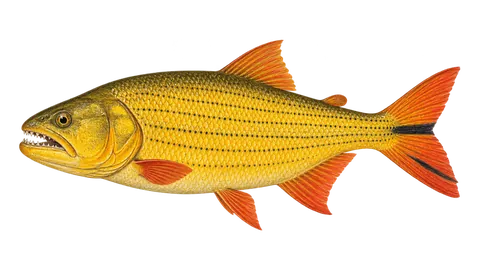
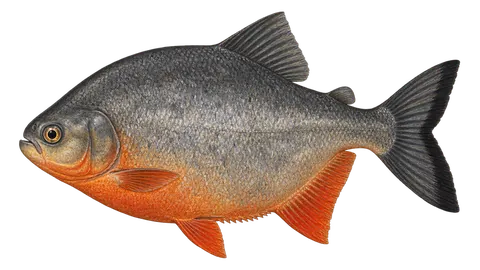
The Isiboro-Sécure Indigenous Territory and National Park (TIPNIS) lies between Beni and Cochabamba, where the Andes give way to the Amazon. Headwater rivers, such as the Sécure, Pluma, Itirizama and Agua Negra, run clear over stone and gravel. In the dry season, sábalo move upstream in schools and dorado follow them: fishing is with flies, almost entirely on foot in the rapids, with sight fishing in the shallow stretches. Pacu (pirapitinga) feeds on the surface and yatorana completes the list. The territory belongs to the Moxeño-Ignaciano, Yuracaré and Tsimane (Chimán) peoples, who traditionally fish with bow and arrow. Fishing tourism is run by the Alto Sécure community association, of five communities, with two lodges (Sécure and Pluma), in partnership with a private operator that passes part of the proceeds to the communities.
best season
Dry season, May to October: the water is low and clear, and dorado follow the sábalo's upstream run.
Local rules: Protected area and indigenous territory (national park created in 1965; indigenous territory recognized by Supreme Decree 22.610/1990). Sport fishing is run only by the community association, with flies and mandatory release, and barbless hooks in operations. Enter only with an authorized operator and respect the communities' rules and calendar. Fishing license and registration under Law 938/2017 (IPD-PACU): confirm with the operator. Confirm the local rules.
- getting there
- Chartered flight to the dirt airstrips of the communities (there are strips at Asunta, Oromomo and others). By land, you enter from the south out of Villa Tunari, on the Cochabamba–Santa Cruz road, or from the north out of Trinidad and San Ignacio de Moxos. Inside the territory, only by boat or on foot.
- facilities
- Fishing lodges with indigenous guides and boatmen, and weekly packages with few anglers. There is no town or shop in the area.
- country
- Beni e Cochabamba, Bolivia
tip
Bring 8 to 9 weight fly gear, large flies and a fine steel leader: dorado can cut through line. Lots of walking in the water: wading boots and a wading staff help.
Loading…
Each card shows the day's index (0 to 100) and, below it, a strip with the index for each hour, from 0h to 23h. from poor to excellent.
what you can catch here
before you fish in Bolivia
Law 938/2017 (Sustainable Fishing and Aquaculture) defines sport fishing as a non-profit activity and assigns IPD-PACU the issuance of licenses and the National Single Fishing Register. Requirements, deadlines and fees are set in the law's regulation and in a resolution of the Ministry of Rural Development and Lands: confirm with IPD-PACU or with the operator. In a protected area, entry depends on SERNAP and, in indigenous territory, on indigenous organizations.
- Closed seasons are set by IPD-PACU and must be announced at least 30 days in advance (Law 938, art. 16). During a closed season it is prohibited to take, hold, transport and sell the protected species.
- Fishing with explosives, firearms, chemical substances and bottom trawling is prohibited (Law 938, art. 17).
- Everyone who fishes must be registered in the National Single Register of Fishing and Aquaculture (Law 938, art. 29).
- In the Indigenous Territory and Isiboro-Sécure National Park (TIPNIS), sport fishing is fly-only with mandatory release, within community tourism operations (SERNAP).
The rules and closed seasons in the rest of the app are Brazilian. Outside Brazil, the regulations of the country and province apply: confirm with the official agency.
sources and references
Access, facilities and season information changes: check with the lodge, a local guide or the city hall before you travel.
- official SERNAP — Atlas de las Áreas Protegidas: Parque Nacional y Territorio Indígena Isiboro-Sécure (p. 49 a 62)Creation, indigenous peoples, access, Alto Sécure association and fly fishing with mandatory release. Large file
- official Estado Plurinacional da Bolívia — Lei nº 938/2017 (Pesca e Aquicultura Sustentáveis)Text on FAOLEX (FAO)
- market Tsimane Lodge — Fishing e Social & Environment CommitmentSeason May to October, catch and release for all species and barbless hooks