

matupiri river — borba
Tributary of the Igapó-Açu, in the Madeira basin, protected by an RDS and a state park. Peacock bass on a remote river, only with a licensed operator.
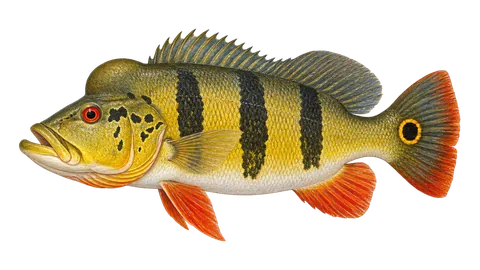
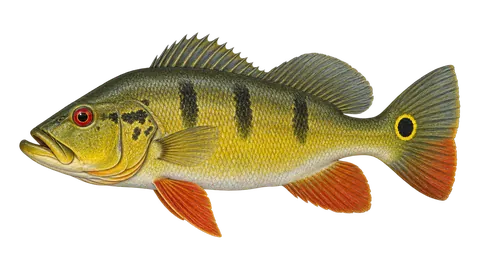
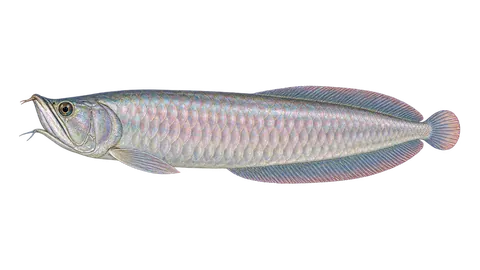
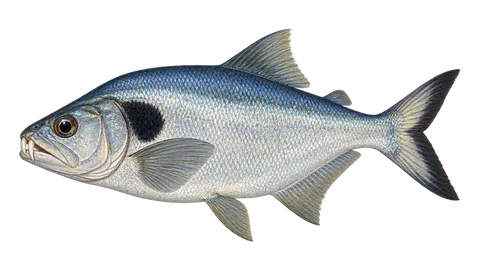
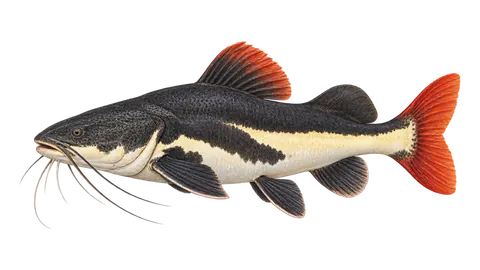
The Matupiri rises in the south of the municipality of Borba and flows northeast, crossing the Matupiri State Park and the northwest corner of the Matupiri RDS before cutting through the Cunhã-Sapucaia Indigenous Land and flowing into the Igapó-Açu, a left-bank tributary of the Madeira. The two state units were created in 2009, as part of the set of protected areas linked to BR-319. The RDS appears among Amazonas areas with sport fishing license requests at Ipaam, according to a survey published in 2024. Fishing is for casting peacock bass in the lakes, igarapé (creek) mouths and banks with timber, with cachorra and aruanã along the banks and pirarara on the bottom of the holes. It is an isolated river, with no independent infrastructure.
best season
Dry season, August to November, with the river low and fish concentrated in lakes and channels. Amazonas law provides a closed season for peacock bass, but it still depends on regulation.
Local rules: In Amazonas, açu, pinima and vazzoleri peacock bass are catch and release only, and using live bait for peacock bass is banned (Lei AM 6.647/2023, with Lei 7.208/2024). The Matupiri State Park is fully protected: inside it, any fishing depends on the management plan and the manager's authorization (Lei 9.985/2000). The lower Matupiri crosses the Cunhã-Sapucaia Indigenous Land: there, fishing tourism is allowed only with a visitation plan approved by Funai (IN Funai 3/2015). Check local rules.
- getting there
- Only with an operator. By boat, you go up the Madeira, from Manaus or Borba, to the mouth of the Igapó-Açu, and from there to the Matupiri; there are also chartered flights from Manaus. BR-319 passes through the Igapó-Açu region, but has stretches that are poor in the rain.
- facilities
- Houseboats or operators' camps, with guides and boatmen from the reserve's communities. There are no inns or ramps on the river.
- basin
- Amazon
tip
In the dry season, lakes connected to the river by shallow channels hold the biggest peacock bass: approach quietly, by paddle, and cast first at the timber points at the entrance.
Loading…
Each card shows the day's index (0 to 100) and, below it, a strip with the index for each hour, from 0h to 23h. from poor to excellent.
what you can catch here
sources and references
Access, facilities and season information changes: check with the lodge, a local guide or the city hall before you travel.
- scientific Lubich, C. et al. (2024). Spatial distribution of the sport fishing in the state of Amazonas, northern Brazil. Brazilian Journal of Biology 84Six sport fishing license requests for the Matupiri RDS, in Borba, in Ipaam records from 2002 to 2021
- official Assembleia Legislativa do Amazonas — Lei estadual nº 7.208/2024 (altera a Lei 6.647/2023, pesca do tucunaré)Açu, pinima and vazzoleri peacock bass catch and release only in AM; live bait banned for peacock bass
- official Câmara dos Deputados — Lei nº 9.985/2000 (Sistema Nacional de Unidades de Conservação)In parks, only indirect use: fishing depends on the management plan and the manager's authorization
- official Ministério da Justiça — Instrução Normativa Funai nº 3, de 11 de junho de 2015 (visitação turística em terras indígenas)Tourism and fishing on Indigenous land only with a visitation plan approved by Funai