

roatán and guanaja — bay islands
Honduran islands at the southern tip of the Mesoamerican Barrier Reef, with bonefish and permit flats and blue-water fishing a few minutes away.
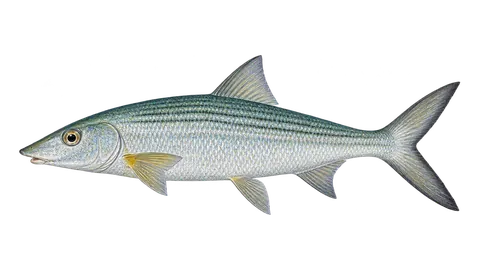
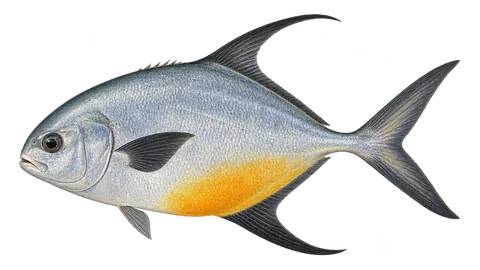
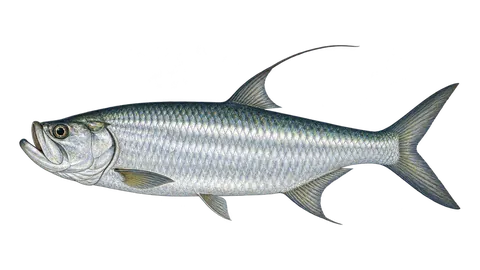
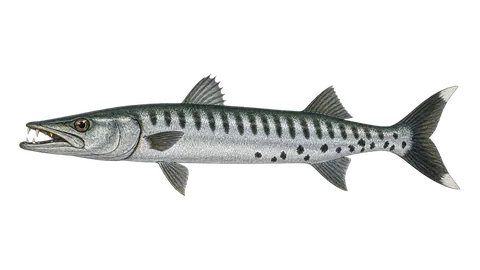
Roatán and Guanaja are the main islands of the Bay Islands, in the Caribbean of Honduras, within the Mesoamerican Reef System. On the flats and lagoons protected by the reef, bonefish is the main target, with permit and tarpon in smaller numbers. Barracuda show up in the shallows and along the edges. Outside the reef, deep water comes close and trolling produces sailfish, yellowfin tuna, wahoo and mahi-mahi. Roatán has more infrastructure and operators; Guanaja is more isolated and quiet. Fishing is from a guided boat, with fly or light casting in the shallows.
best season
From March to August the sea is usually better for flats and outings to blue water. From October to January cold fronts and rain move in.
Local rules: Islas de la Bahía Marine National Park (Decree 75-2010): there are restricted zones with no human intervention and zones with restricted fishing; respect the signs and buoys. In Honduras, billfish, bonefish, permit, tarpon and snook are catch and release only, with billfish taken on circle hooks, and longlines, gillnets and spears are prohibited in sport fishing (SAG agreement of 2008). The authority is DIGEPESCA. Check local rules.
- getting there
- Roatán International Airport, with flights from the US and Honduran cities, and ferry from La Ceiba. Guanaja has its own airstrip and connections to La Ceiba and Roatán.
- facilities
- Hotels, resorts and inns on Roatán; smaller lodges on Guanaja; flats guides and offshore fishing boats.
- country
- Islas de la Bahía, Honduras
tip
On Roatán's flats the wind changes the day: in strong wind, fish the island's leeward side and use a heavier fly.
Loading…
Each card shows the day's index (0 to 100) and, below it, a strip with the index for each hour, from 0h to 23h. from poor to excellent.
what you can catch here
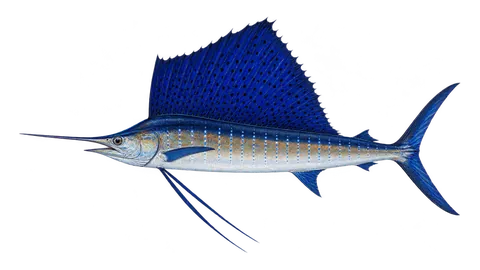
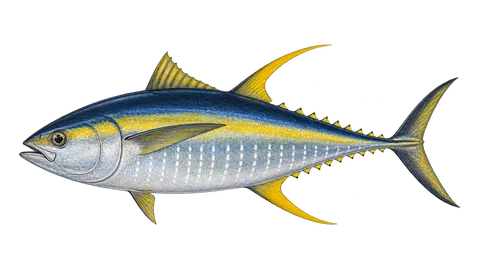
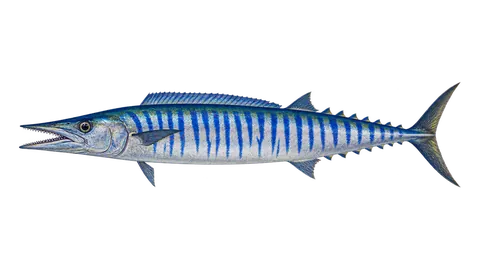
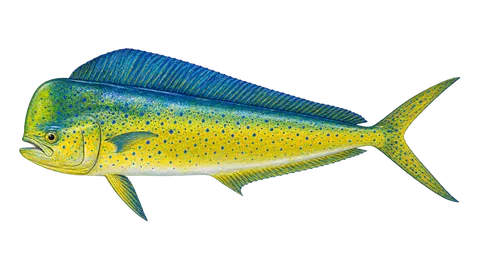
before you fish in Honduras
DIGEPESCA, of the Secretariat of Agriculture and Livestock (SAG), is the authority for sport fishing and regulates tournaments together with fishing associations. The consulted rules don't detail an individual license for tourists: confirm with DIGEPESCA and your operator before fishing. In the Bay Islands, the rules of the Marine National Park also apply.
- Billfish (families Xiphiidae and Istiophoridae) are reserved for sport fishing, and their commercial fishing is prohibited; catch and release with circle hooks (SAG agreement published in La Gaceta on January 26, 2009).
- Under the same agreement, marlin, sailfish, bonefish, permit, tarpon, snook and all sharks are catch and release only; other species have minimum sizes and a daily limit outside tournaments (for example, mahi-mahi: 3 per day).
- In sport fishing, longlines, gillnets and spears are prohibited. In tournaments, every fish must be released alive.
- Bay Islands Marine National Park (Decree 75-2010): there are restricted zones with no human intervention and zones with restricted fishing; within the surrounding 12-mile belt, industrial fishing is prohibited.
The rules and closed seasons in the rest of the app are Brazilian. Outside Brazil, the regulations of the country and province apply: confirm with the official agency.
sources and references
Access, facilities and season information changes: check with the lodge, a local guide or the city hall before you travel.
- official Decreto nº 75-2010 — Ley Especial de las Áreas Protegidas de las Islas de la Bahía (La Gaceta, 26 de julio de 2010)Copy of the Official Gazette on FAOLEX; zones of Islas de la Bahía Marine National Park
- official SAG — Acuerdo de 20 de noviembre de 2008 sobre pesca deportiva (La Gaceta, 26 de enero de 2009)Copy of the Official Gazette on FAOLEX; billfish, bonefish, permit, tarpon and snook catch and release only; circle hook