

drift fishing
Boat drifting down the river with the current and natural bait dragged on the bottom, with the line nearly vertical, to find catfish spread along the channel.
when to use it
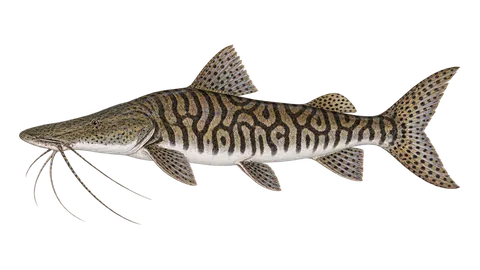
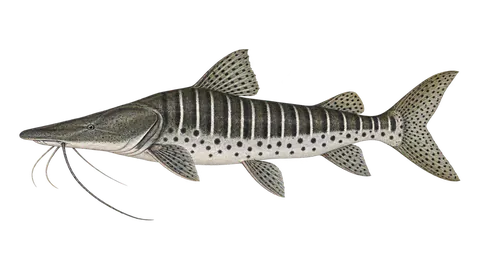
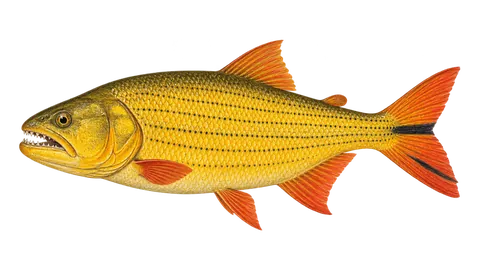
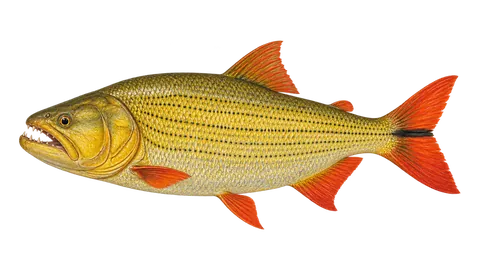
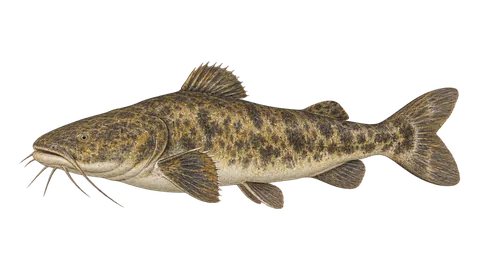
Low water and dry season, with the river defined into channel and pool. From late afternoon to dawn for surubim, cachara, barbado and jurupoca; during the day, in a deep pool, for jaú, piraíba and dourada. It also works for dorado with natural bait in fast-current rivers. In high water, with fish spread across the flooded field, it yields less.
where to look
- main channel
- head and exit of pool
- continuous bank with log
- meeting of river and corixo and bay mouth
- beach that drops into the channel (transition from sand to bottom)
gear
Rod 1.8 to 2.1 m, moderate to fast action: 20-50 lb for surubim and cachara, 40-100 lb for jaú and piraíba. Robust baitcasting reel with round or high profile, or spinning reel 5000 to 8000. Braid 40 to 80 lb or mono 0.45 to 0.60 mm. Mono leader 60 to 100 lb (0.70 to 0.90 mm), or wire where piranha are present. Hook 5/0 to 8/0 (circle or maruseigo) for surubim, 10/0 to 14/0 for jaú and piraíba. Olive sinker 30 to 150 g, or more in the deep channels of the Amazon.
baits and lures
- live tuvira
- muçum
- minhocuçu
- lambari
- whole or cut fish (piau, curimbatá, jaraqui) for jaú and piraíba
how to do it
- Combine the stretch with the boatman: channel, continuous banks, head and exit of pool. He keeps the boat straight and at the speed of the current.
- Let out line until the sinker touches bottom and bites. Line nearly vertical, rod at 45 degrees and line always taut.
- Feel the tap-tap of the sinker. If it stops tapping, the bottom dropped: let out a bit. If it's heavy or dragging, the bottom rose or there's a snag: reel in a hand's width.
- A bite comes as a tug, weight, or line suddenly going slack. With a J hook, give 2 to 3 seconds and set long and firm; with a circle hook, just reel firmly.
- Get the fish off the bottom quickly, before the timber.
- Mark the bite spot on the GPS, go back up the middle of the river away from anyone fishing, and repeat the pass.
- With more than one angler, each fishes from one side of the boat with the same sinker weight, so the lines don't cross.
common mistakes
- Slack line or rod held too high: you can't feel the bottom.
- Sinker too heavy: it snags on every log.
- Boat across the current: the lines cross.
- Going back upstream along the bank, passing over the bank others are fishing.
- Bait of unknown origin: catching, transporting and selling tuvira and minhocuçu have specific rules in some states.
species
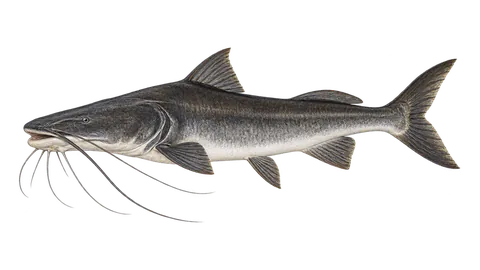
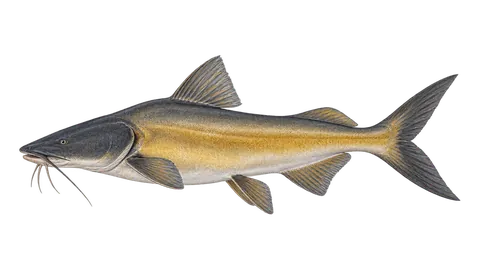
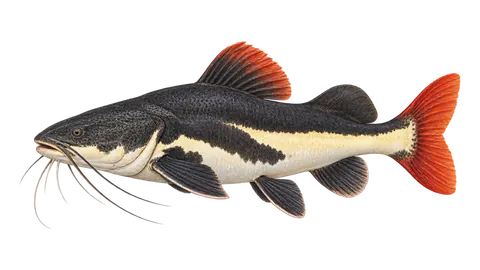
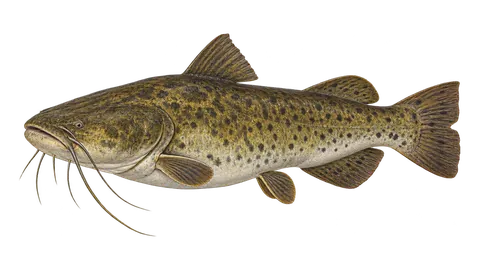
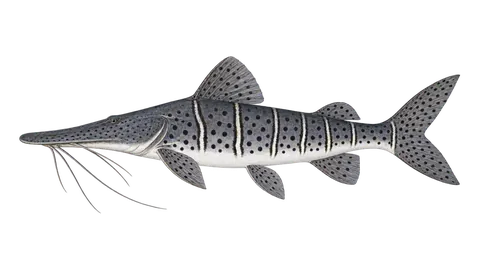
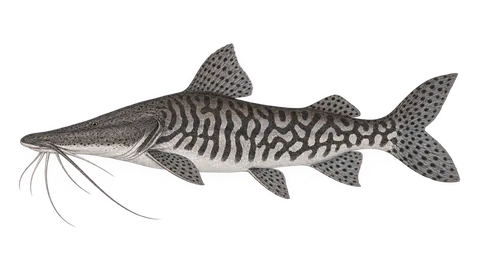
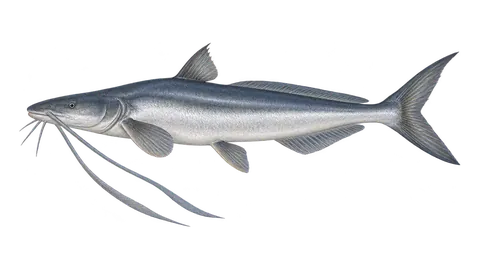
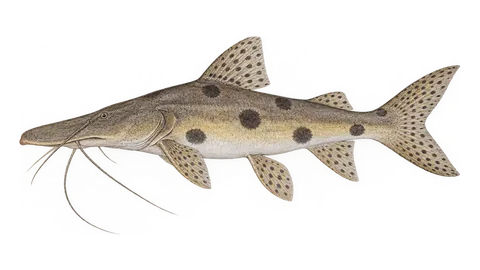
sources and references
- scientific Britski, H.A.; Silimon, K.Z.S.; Lopes, B.S. (2007). Peixes do Pantanal: manual de identificação. 2ª ed. Embrapa Informação Tecnológica
- scientific Cooke, S.J.; Suski, C.D. (2004). Are circle hooks an effective tool for conserving marine and freshwater recreational catch-and-release fisheries? Aquatic Conservation: Marine and Freshwater Ecosystems 14: 299–326
- official Decreto estadual MS nº 15.166/2019 — pesca amadora em Mato Grosso do SulBanned gear, snagging fish by the body, and underwater fishing restricted to exotic species, per the app's regras.json.