Zero transport in Mato Grosso
catch and release mandatory; transport, storage and sale bannedMT
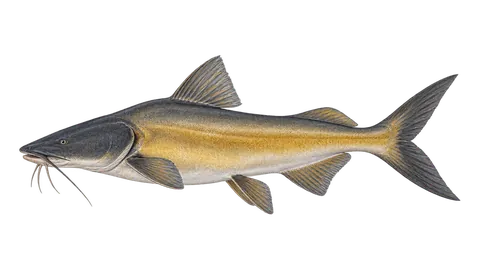
Until Dec 31, 2028, piraíba caught in rivers of Mato Grosso may not be transported, stored or sold. Recreational anglers may only practice catch and release.
Source: Lei estadual nº 12.434/2024 (MT), arts. 19-B and 19-C of Lei 9.096/2009
Size window in Tocantins
100 cm (maximum 180 cm)TOTocantins-Araguaia
In Tocantins the filhote/piraíba may only be kept between 100 and 180 cm. Fish over 180 cm must go back into the water.
Source: Portaria NATURATINS/GABIN nº 47/2026 (annexes amended by Portaria nº 105/2026)
Piraíba closed season in Acre
fishing banned15/11 to 15/03ACAmazon
In Acre the piraíba is on the list of species with banned fishing from Nov 15 to Mar 15.
Source: Portaria IBAMA nº 48/2007, Annexes I and II
Size during the Madeira closed season (RO)
over 65 cm without head15/11 to 15/03ROAmazon
In the Madeira River basin in Rondônia, during the closed season from Nov 15 to Mar 15, filhote and dourada may only be caught if they measure over 65 cm without the head. Rondônia also issues its own ordinances: confirm with Sedam.
Source: Portaria IBAMA nº 48/2007, Annex II
Closed season in the Amazon basin in Acre
15/11 to 15/03ACAmazon
Annual closed season in AC for the species in Annex II: dourada, piraíba, pirapitinga, caparari, aruanã, jaraqui, mapará, sardine, matrinxã and pacu. On the Acre River, the closed season applies to all species (IN IBAMA 205/2008).
Source: Portaria IBAMA nº 48/2007; IN IBAMA nº 205/2008 (Acre River)
Mato Grosso: Zero Transport for 12 species
MTParaguay (Pantanal)AmazonTocantins-Araguaia
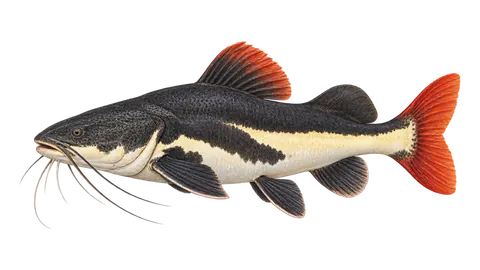
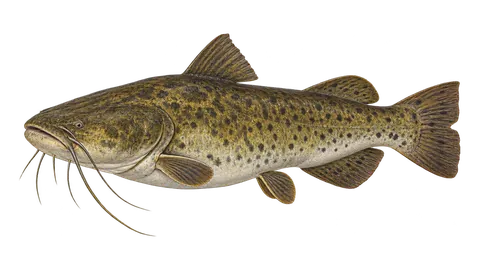
Transport, storage and sale are fully prohibited for 5 years from Jan 1, 2024 for: cachara, caparari, dorado, jaú, matrinchã (Brycon spp.), pintado/surubim (Pseudoplatystoma spp.), piraíba, piraputanga, pirarara, arapaima (pirarucu), trairão and peacock bass (tucunaré, Cichla spp.). For recreational anglers: catch and release only. These 12 species may not even be eaten on site, since the 2 kg or 1 fish limit excludes the art. 19-B list. The law cites jaú as Zungaro zungaro; we also include the Pantanal jaú (Z. jahu) out of caution. The list may still change: § 2 (exotic and predatory species), § 3 (review through study) and the 3-year assessment planned for 2027. A TJMT news report of Jun 2, 2026 confirms the 12 prohibited species. The STF denied a preliminary injunction in the ADIs against the law in 2024; we found no merits ruling.
Source: Lei estadual MT nº 9.096/2009, arts. 19-A, 19-B and 19-C, as amended by Leis nº 12.197/2023 and 12.434/2024
Mato Grosso: catching dorado and piraíba prohibited
MT
Catching, sale and transport of dorado (Salminus brasiliensis) and piraíba (Brachyplatystoma filamentosum) are prohibited in Mato Grosso. The rule is permanent, added by Law 9.794/2012, and independent of Zero Transport.
Source: Lei estadual MT nº 9.096/2009, art. 17-A (Lei nº 9.794/2012)
Minimum size: 100 cm (max. 180 cm)
TOTocantins-Araguaia
Source: Portaria Naturatins nº 47/2026, Annex I, as amended by Portaria nº 105/2026
Minimum size: 100 cm
GOTOPAMAMTTocantins-Araguaia
Source: INIs MPA/MMA nº 12/2011 (Araguaia) and 13/2011 (Tocantins), minimum size annexes
piracema closures in the basins where the species lives
Closed season in Goiás (state rule)
01/11 to 28/02GO
Allowed: Sport and guided fishing only in reservoirs, catch and release with barbless hooks (no keeping, transporting or eating). Subsistence: up to 5 kg per day, for household consumption only.
Source: IN Semad-GO nº 17/2026, arts. 8º to 11
Spawning closure (piracema) in Mato Grosso (all basins)
01/10 to 31/01MT
Allowed: All fishing modalities are prohibited in rivers, including catch and release (Law 9.096/2009, art. 19-A). Exceptions: subsistence fishing from shore (3 kg or 1 fish, no transport or sale) and scientific fishing. Law 13.159/2025 now allows licensed sport fishing in UHE/PCH hydropower reservoirs, natural lakes and border rivers, subject to a scientific study and a license from the environmental agency. We have not confirmed whether these licenses are already being issued.
Source: IN Interministerial MAPA/MMA nº 10/2017; Resolução Cepesca-MT nº 1/2026; Lei estadual MT nº 9.096/2009, arts. 19-A and 27 (Leis 12.434/2024 and 13.159/2025)
Spawning closure (piracema) in the Araguaia River basin
01/11 to 28/02GOTOPAMT
Allowed: Recreational fishing only in reservoirs, with handline, rod, or spinning or baitcasting reel. Fish may only be eaten on site, not transported. Competitions prohibited. Subsistence: 3 kg + 1 fish. State rules (GO and TO) may be stricter.
Source: IN Interministerial MPA/MMA nº 12/2011
Spawning closure (piracema) in the Tocantins and Gurupi river basins
01/11 to 28/02TOPAMAGO
Allowed: Recreational fishing only in reservoirs, with on-site consumption. Subsistence: 5 kg + 1 fish. State rules may be stricter.
Source: IN Interministerial MPA/MMA nº 13/2011
Spawning closure (piracema) in Tocantins (state rule)
01/11 to 28/02TO
Allowed: In 2025/26: catch and release with barbless hooks and recreational fishing card; subsistence fishing on foot or from a rowboat, with simple pole or handline.
Source: Portaria Naturatins nº 244/2025 (2025/26 season); INIs MPA/MMA nº 12 and 13/2011
Closed season in the rivers of Marajó Island (PA)
01/01 to 30/04PA
Allowed: The same recreational-angler exceptions as in Portaria 48/2007 apply (handline or rod, 5 kg + 1 fish), unless a stricter state rule applies.
Source: Portaria IBAMA nº 48/2007
Closed season in the Amazon basin in Amapá
15/11 to 15/03AP
Allowed: Recreational anglers with handline or rod, line and hook are outside the Annex II prohibitions, with a bag limit of 5 kg + 1 fish, unless a stricter state rule applies.
Source: Portaria IBAMA nº 48/2007
Closed season in Roraima
01/03 to 30/06RR
Allowed: Subsistence fishing only.
Source: Portaria IBAMA nº 48/2007
Border rivers MT/RO and MT/PA
05/11 to 28/02MTROPA
Allowed: See the exceptions in Portaria 48/2007 and the state rules for each bank.
Source: Portaria IBAMA nº 48/2007