

barra del colorado
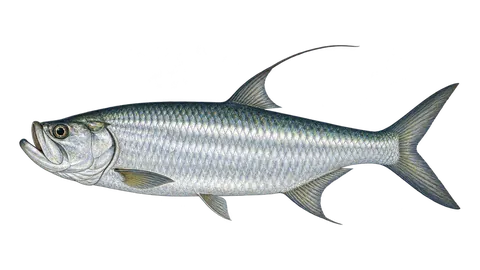
Village at the mouth of the Río Colorado, on Costa Rica's northern Caribbean coast, that became world famous as the kingdom of tarpon.
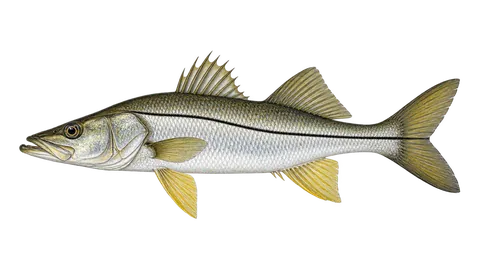
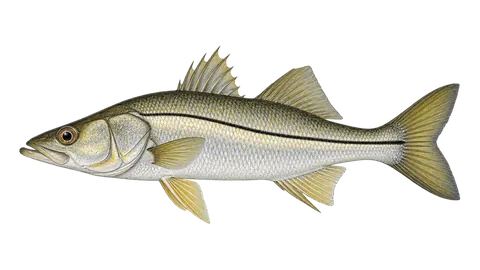
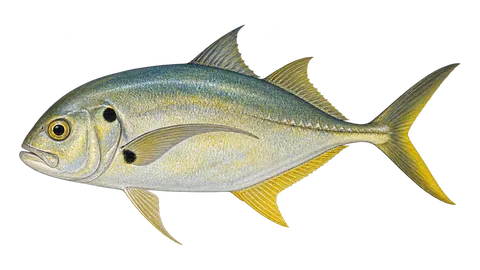
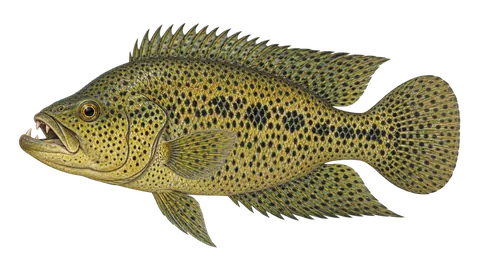
Barra del Colorado sits at the mouth of the Río Colorado, near the border with Nicaragua, surrounded by the wildlife refuge of the same name. For decades it was one of the best-known tarpon destinations in the world. Fish are caught at the river mouth, in the nearby sea, and in freshwater canals and lagoons, using heavy artificial lures and jigs. Swordspine snook (robalo flecha) and calva (white snook) are in the river mouths and on beaches, and jacks appear offshore. In the freshwater canals and lagoons, guapote attacks plugs and small lures. Fishing used to be more plentiful: SINAC's fishing plan records declining catches and lodge closures. It is still an adventure fishery, in an isolated place.
best season
Tarpon is in the region year-round. The most cited months run from January to May and September to October, when the river mouth tends to be calmer for heading out to sea.
Local rules: Barra del Colorado National Wildlife Refuge (SINAC): in canals and lagoons, fishing only with hook, rod or handline; nets, spearguns and poisons are prohibited. Fishing in the refuge's inland waters requires a SINAC license, in addition to the INCOPESCA sport fishing card. At sea, the Barra del Colorado Responsible Fishing and Management Marine Areas apply. Release the tarpon: its population has declined. Confirm the local rules.
- getting there
- Only by small plane (there is an airstrip in the village) or by boat through the Caribbean canals, from Tortuguero or Moín.
- facilities
- A few fishing lodges and simple inns, local guides and boats set up to leave through the bar.
- country
- Limón, Costa Rica
tip
Going out through the bar depends on the sea: agree with your guide to leave early and return before the wind picks up. On closed-bar days, fish the canals.
Loading…
Each card shows the day's index (0 to 100) and, below it, a strip with the index for each hour, from 0h to 23h. from poor to excellent.
what you can catch here
before you fish in Costa Rica
Every sport angler must carry the INCOPESCA sport fishing card (license), for nationals and foreigners alike. It can be obtained online on the INCOPESCA website or at regional offices. For boat fishing, the INCOPESCA table lists US$16.95 for 8 days, US$28.25 per month and US$56.50 per year (fees set in 2018, kept for 2025 by agreement AJDIP/296-2024, including tax). The annual card for shore or kayak fishing is for nationals and residents. Inside refuges and parks, inland-water fishing may also require a SINAC license.
- Marlins and sailfish: in sport fishing, catch and release in the water, according to INCOPESCA.
- In SINAC protected areas, the rules of each area's management plan apply (for example, at Barra del Colorado Wildlife Refuge fishing is only allowed with hook, rod or handline, and nets are prohibited).
- Anglers must observe minimum sizes, catch limits and closed seasons set by INCOPESCA.
The rules and closed seasons in the rest of the app are Brazilian. Outside Brazil, the regulations of the country and province apply: confirm with the official agency.
sources and references
Access, facilities and season information changes: check with the lodge, a local guide or the city hall before you travel.
- official SINAC/INCOPESCA — Plan de Aprovechamiento del Recurso Pesquero del Refugio Nacional de Vida Silvestre Barra del ColoradoHook-only fishing, nets prohibited, SINAC license for the refuge's inland waters; records the decline of tarpon fishing
- official INCOPESCA — Carnés (licença de pesca deportiva)Card types and fees