

caeté estuary and ajuruteua — bragança
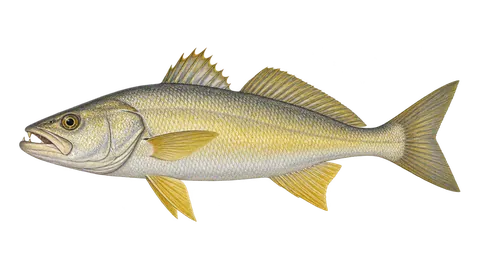
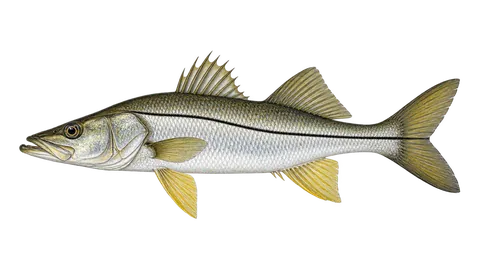
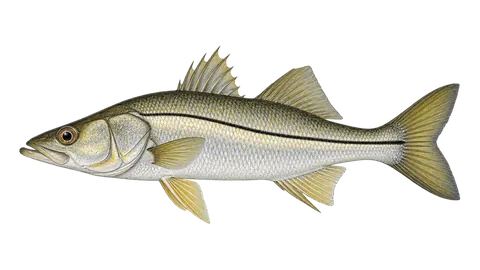
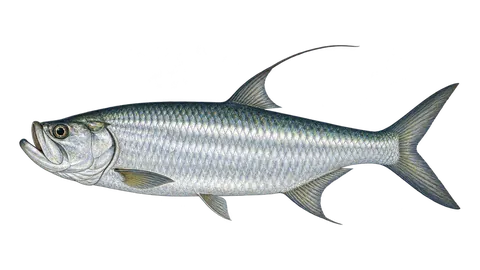
Mangrove estuary between Bragança and Ajuruteua beach, inside an extractive reserve. Pescada-amarela, snook and camurupim (tarpon).
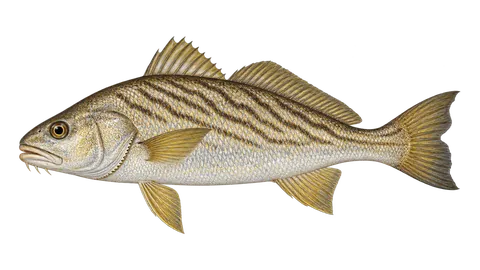
Bragança, about 220 km from Belém, is one of Pará's major fishing hubs and sits on the Caeté River. Downriver, all the way to Ajuruteua beach, one of the longest in the state, the estuary opens into channels, furos and mangroves, much of it inside the Caeté-Taperaçu Marine Extractive Reserve. On the flood tide, pescada-amarela, snook and corvina enter the channels and furo mouths; the camurupim (tarpon) rolls in the deeper channels; at the estuary mouth and on the beach, sororocas (tidal bores) pass. Fishing is done from canoes or voadeiras with local boatmen, using natural bait and mid-water lures, always guided by the tide table. In July, the town and beaches fill with summer visitors.
best season
Driest period, August to December, with saltier water in the estuary. Gurijuba closed season from Nov 17 to Mar 31 (Portaria Interministerial 43/2018).
Local rules: In Pará, recreational anglers may take up to 5 kg plus 1 fish in the estuary and up to 10 kg plus 1 at sea, for personal consumption only; sport fishing is catch and release; and every amateur angler must file the simple declaration on the Semas website (Decreto PA 5.271/2026). Camurupim (tarpon) is a threatened species (Vulnerable): catch and release only, capture and transport prohibited (Portaria GM/MMA 1.667/2026). Gurijuba closed season from Nov 17 to Mar 31 and, outside it, only 55 cm or longer (Portaria Interministerial 43/2018). The Caeté-Taperaçu Marine Extractive Reserve is for the use of extractive communities and follows the unit's management plan (Portaria ICMBio 265/2013). Large tidal range: be careful when wading on the banks. Check local rules.
- getting there
- About 220 km from Belém by road. From Bragança, a road crosses the mangrove to Ajuruteua beach.
- facilities
- Hotels and inns in Bragança and Ajuruteua, restaurants, local boatmen and fishermen. Basic sport fishing facilities.
- basin
- Western Northeast Atlantic
- coast
- North Coast
tip
Fish the first two hours of the flood tide at the furo mouths: that is when pescada-amarela and snook move in after shrimp. Use a sinker that holds in the current and watch the turn of the tide.
Loading…
Each card shows the day's index (0 to 100) and, below it, a strip with the index for each hour, from 0h to 23h. from poor to excellent.
what you can catch here
sources and references
Access, facilities and season information changes: check with the lodge, a local guide or the city hall before you travel.
- official ICMBio — Reserva Extrativista Marinha de Caeté-TaperaçuCreated by decree on May 20, 2005, covering 42,489 ha; management plan approved by Portaria 265/2013
- official Semas-PA — Decreto estadual nº 5.271/2026 (pesca amadora e esportiva no Pará)Bag limits of 5 kg + 1 (estuary) and 10 kg + 1 (sea), catch and release for sport anglers, and declaration with Semas (arts. 10, 12, 13 and 14)
- official Imprensa Nacional (DOU) — Portaria GM/MMA nº 1.667, de 27 de abril de 2026 (lista nacional de peixes ameaçados)Tarpon (Megalops atlanticus) as Vulnerable
- official Ibama — Portaria Interministerial SG-PR/MMA nº 43/2018 (gurijuba)Closed season from Nov 17 to Mar 31 and minimum size of 55 cm