all kits
ready-made kit · beginner
pay-to-fish lake
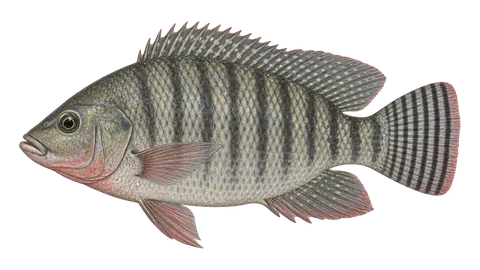
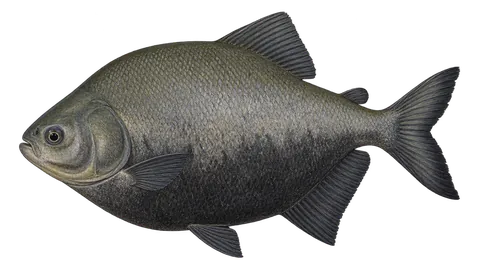
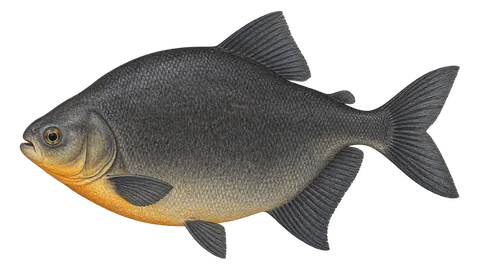
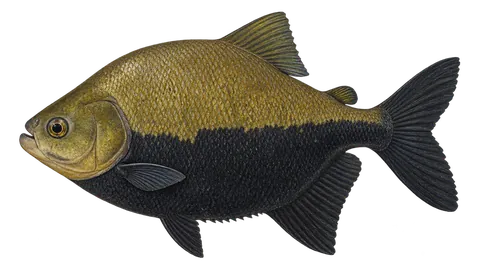
Pay-to-fish lakes with tilapia, tambacu and pacu, fishing from the bank with paste, feed and a feeder float. Great for families and for practice.
| item | specification | why |
|---|---|---|
| rod Medium spinning rod | 1.8 to 2.1 m, moderate action, 10–25 lb | For tambacu and pacu, which run hard. |
| rod Light spinning rod | 1.8 m, 6–14 lb | For tilapia, which nibble lightly. |
| spinning reel 3000–4000 and 2000–2500 spinning reels | front or rear drag; a free-spool feature helps | One for round fish, another for tilapia. |
| line Monofilament | 0.35–0.40 mm (tambacu and pacu); 0.25 mm (tilapia) | Elasticity cushions the hookset and the runs. |
| hook Japanese hooks | small maruseigo (tilapia); medium chinu or iseama (tambacu and pacu) | Shapes that hold paste and feed well. |
| terminal tackle Floats and sinkers | 20–30 g feeder float, bobber float, 5–15 g olive sinker, swivels | Surface with feeder and bottom with sliding sinker. |
| bait/lure Dough and pellets | ready-made or homemade paste and the feed used at the pay lake | Pond fish are used to feed. |
| accessory Landing net, pliers and rod holder | rubber-coated landing net | Land the fish without breaking the line and release it carefully. |
budget
- basic
- R$300–600
- intermediate
- R$800–1,500
- advanced
- R$2,500+
Reference prices in reais (2026), no brand recommended.
tips
- Read the pay lake's rules: many ban barbed and treble hooks, limit hooks and charge by weight.
- Ask which feed is used in the ponds and which bait is working.
- A big tambacu runs far: keep the drag set so you don't break the line.
- Wet your hands before handling a fish you're going to release.