

natural bait on the bottom
Natural bait still or dragged on the bottom with a sinker, the most direct way to catch catfish, bottom-feeding scale fish and bottom fish from the sea and estuaries.
when to use it
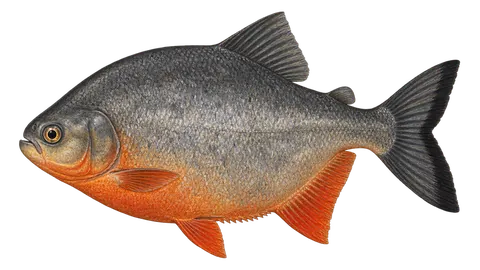
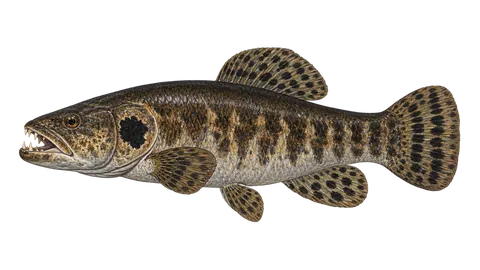
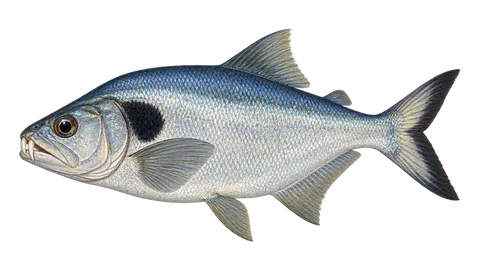
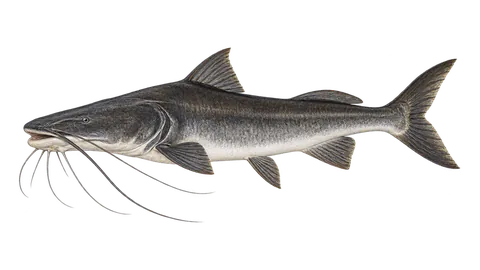
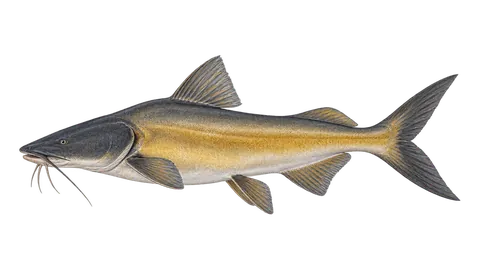
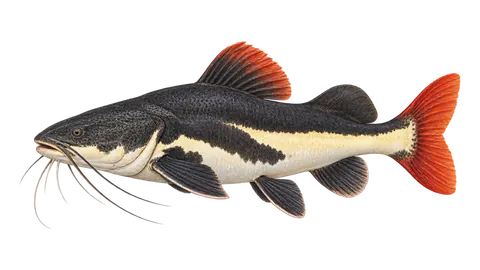
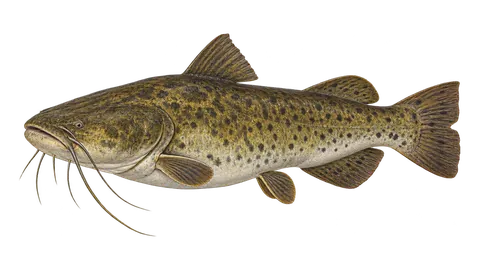
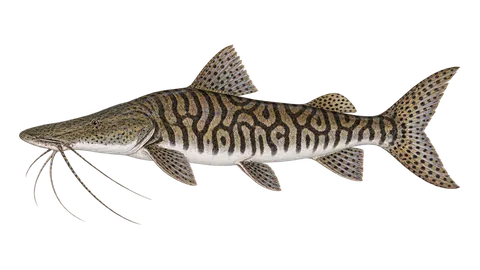
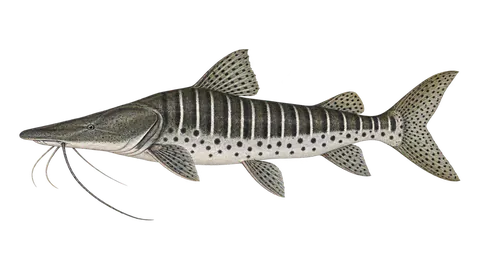
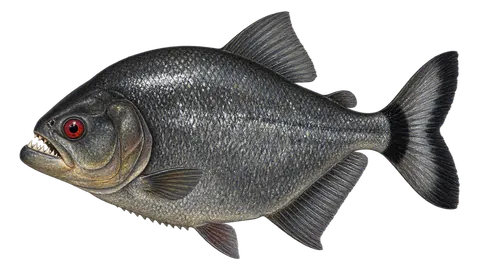
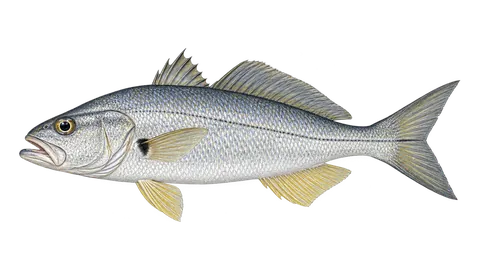
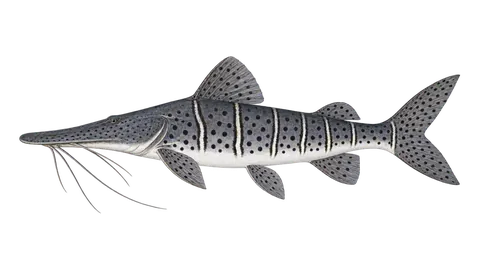
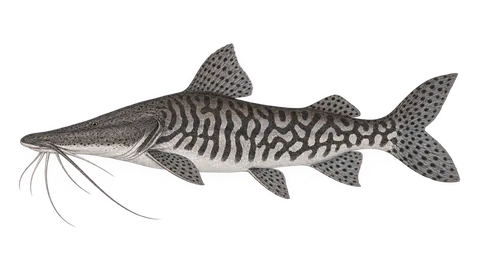
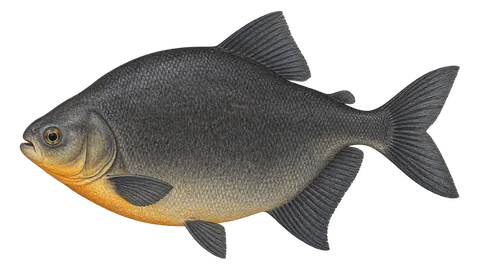
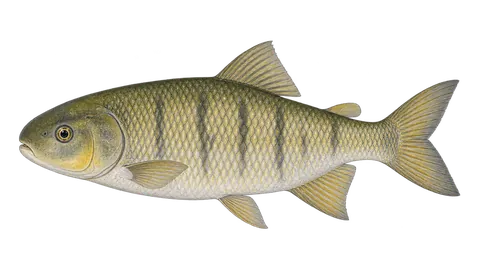
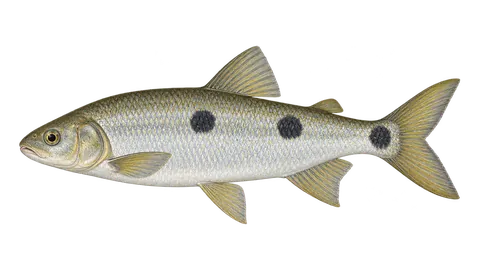
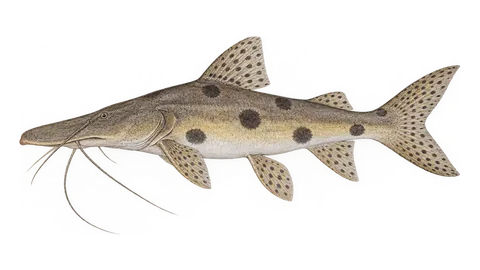
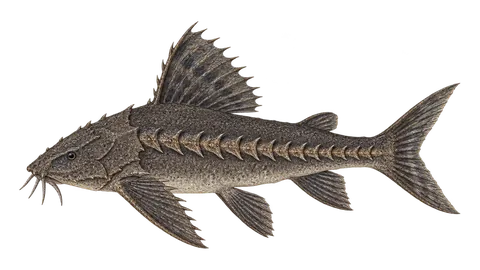
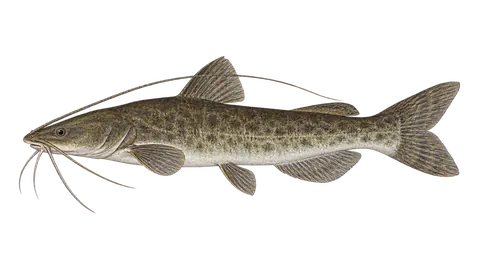
Fish that feed by smell and touch on the bottom: surubim, cachara, jaú, pirarara, barbado, mandi, jundiá, pacu from the bank, croaker, pescada, sargo and cioba. Best late afternoon, at night and before dawn for catfish; with the tide moving in the estuary; in pools, banks and channels in the dry season.
where to look
- pool and pool head
- foot of bank with roots and log
- bay mouth and corixo on the ebb
- river and estuary channel
- beach trough
- rock slab and reef at sea
- bridge piling
gear
Small fish (mandi, jundiá, piau): rod 1.8 to 2.1 m, 8-15 lb, spinning reel 1000 to 2500, mono 0.25 to 0.30 mm, hook no. 2 to 1/0 and sinker 5 to 20 g. Medium fish (pacu, cachara, croaker, snook): rod 6' to 7', 15-40 lb, spinning reel 3000 to 5000 or baitcasting reel 200, mono 0.35 to 0.50 mm or braid 30 to 50 lb, hook 1/0 to 6/0 and sinker 20 to 80 g. Giants (jaú, piraíba, pirarara): rod 40 to 100 lb, baitcasting reel 400 to 500 or spinning reel 8000 to 20000, braid 65 to 130 lb, leader 100 to 200 lb, circle hook 8/0 to 14/0 and sinker 100 to 300 g.
baits and lures
- tuvira and muçum
- live lambari, piau and sarapó (where allowed)
- earthworm and minhocuçu
- piece of fish (curimbatá, piau, sardine)
- shrimp, corrupto, tatuí and crab
- squid and sardine (sea)
- heart and liver (catfish)
- dough and fruit (pacu, piau)
how to do it
- Rig a sliding sinker: olive on the main line, bead, swivel and a 30 to 80 cm leader. The fish takes the bait without feeling the weight.
- On wood or rock bottoms, attach the sinker to a weaker line tag: if it snags, you lose only the sinker.
- Use the lightest sinker that holds the bait in place against the current or tide at the time.
- Hook firmly: tuvira and lambari through the lips or just behind the head; shrimp under the horn; piece of fish threaded twice, with the hook point free.
- Cast or lower the bait, take up the slack and keep the line tight, with the rod in hand or in a holder with light drag or the ratchet on.
- Catfish bite and run. With a J hook, give 2 to 5 seconds and set long and firm once the run is steady. With a circle hook, don't yank: reel firmly until the line is tight and the hook sets in the corner of the mouth.
- Get the fish off the bottom in the first seconds, before it hides in the structure.
common mistakes
- Slack line: you can't feel the bite.
- Sinker too heavy: it snags and the fish gets suspicious.
- Setting the hook at the first touch with a big bait on a catfish.
- Letting a fish you plan to release swallow the hook deep: use a circle hook and stay at the rod.
- Old, washed bait: change it every 15 to 20 minutes without a bite.
- Using bait banned by local rules: ornamental species (banned nationwide) or live bait for peacock bass in Amazonas.
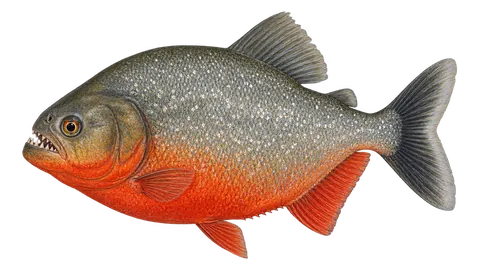
species
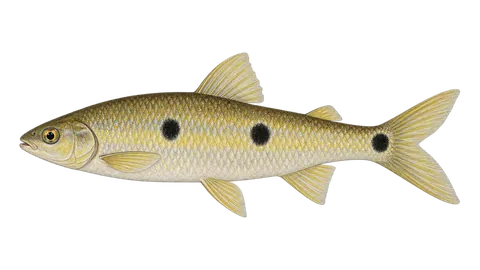
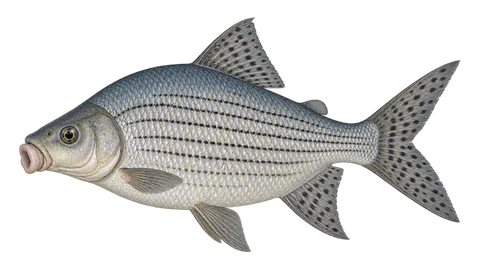
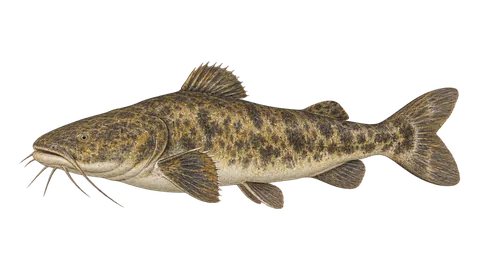
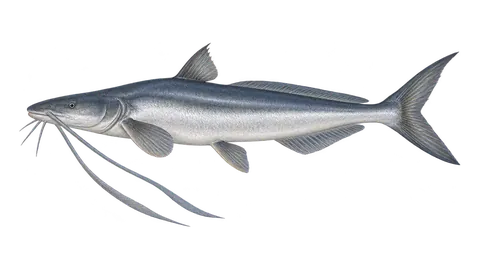
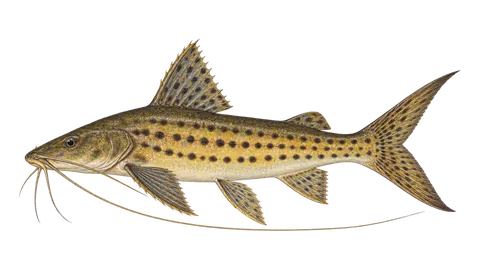
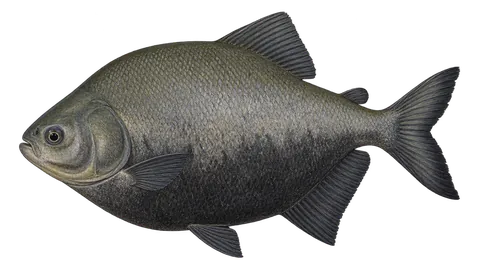
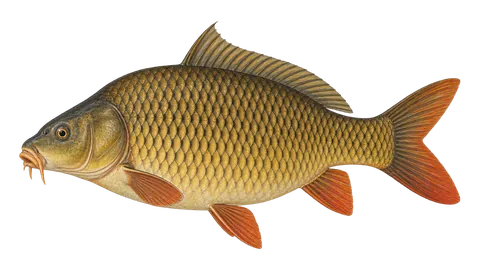
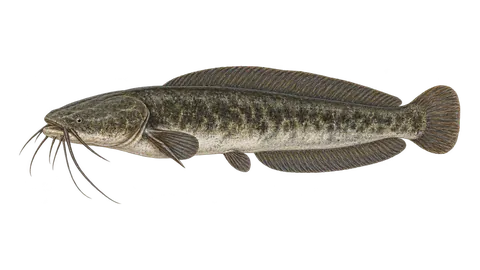
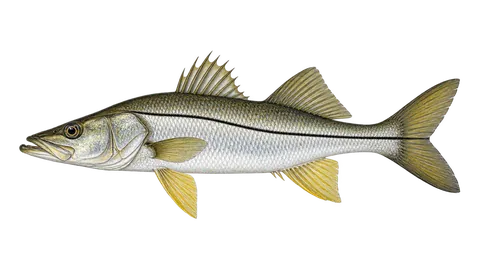
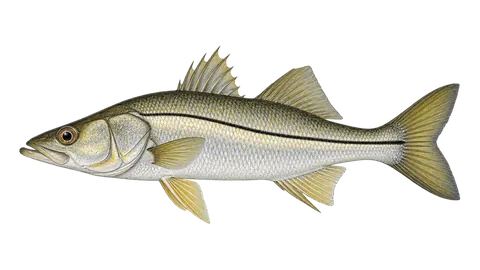
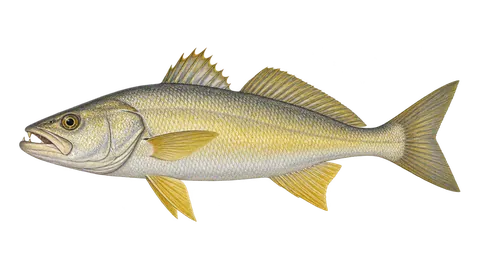
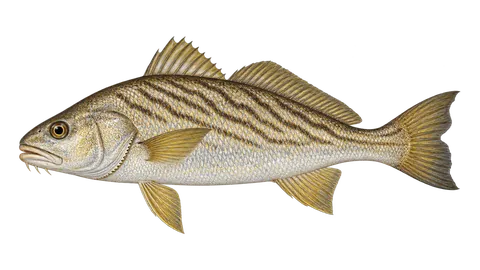
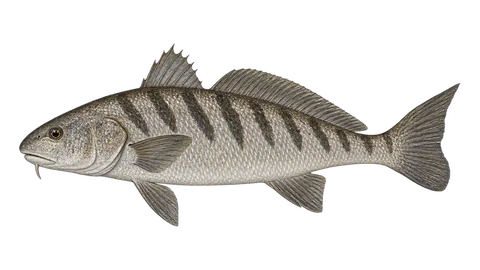
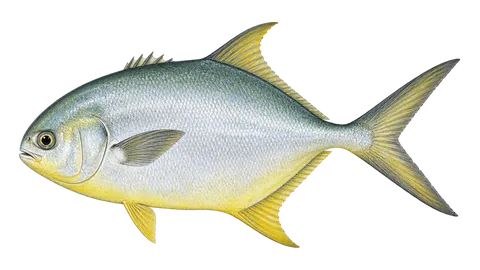
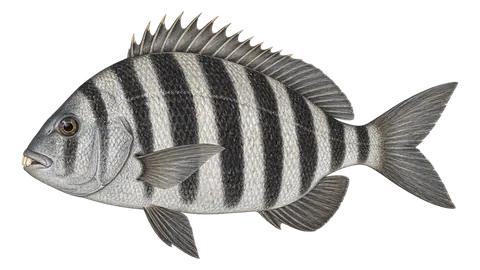
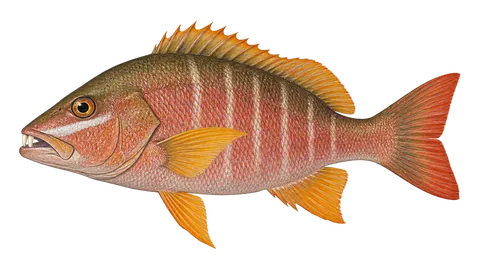
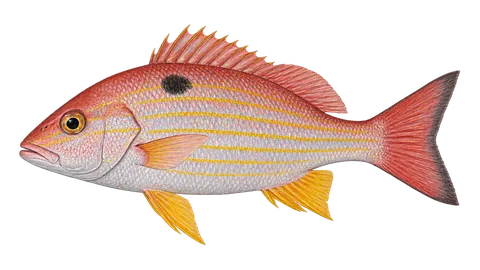
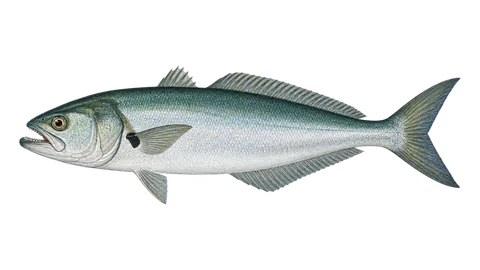
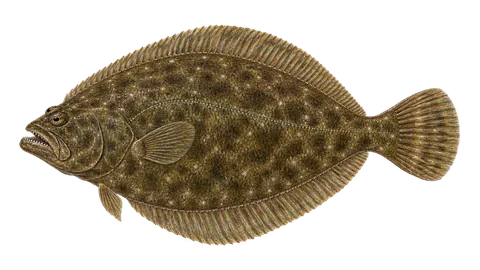
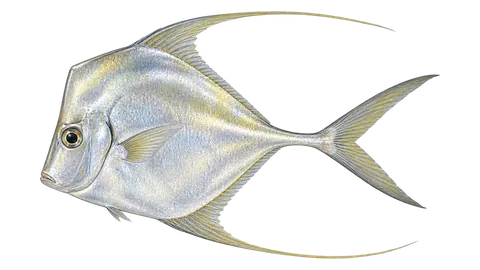
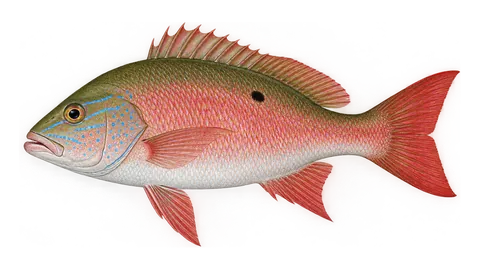
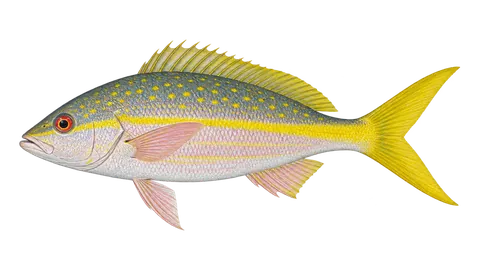
ready-made kits
first fishing trip (cheap beginner kit)
kit · beginnerpay-to-fish lake
kit · beginnerbeach and surf casting
kit · intermediatedeep-water saltwater boat fishing (pargo cubera, ariacó, guaiúba and dentão)
kit · intermediaterocky shore (sargo, snook and bluefish)
kit · intermediatepantanal drifting and bank fishing (catfish)
kit · intermediategolden dorado in rapids
sources and references
- scientific Cooke, S.J.; Suski, C.D. (2004). Are circle hooks an effective tool for conserving marine and freshwater recreational catch-and-release fisheries? Aquatic Conservation: Marine and Freshwater Ecosystems 14: 299–326
- scientific Britski, H.A.; Silimon, K.Z.S.; Lopes, B.S. (2007). Peixes do Pantanal: manual de identificação. 2ª ed. Embrapa Informação Tecnológica
- official Portaria SAP/MAPA nº 616/2022 — normas gerais da pesca amadoraGear allowed to amateurs (arts. 4 and 5), bait (art. 11) and transport (arts. 6, 12 and 13), per the app's regras.json.
- official Lei estadual AM nº 6.647/2023, com redação da Lei nº 7.208/2024Speckled peacock bass, pinima and vazzoleri: catch and release only; live bait banned for peacock bass fishing (art. 17), per the app's regras.json.