

natural bait with float
Natural bait suspended at the right depth by a float, which signals the bite and lets the bait drift with the current or tide.
when to use it
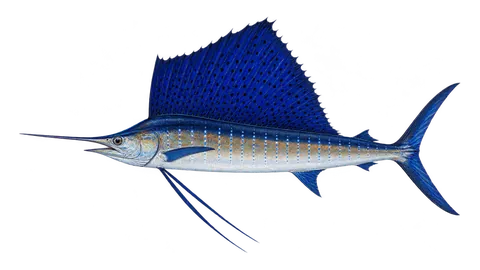
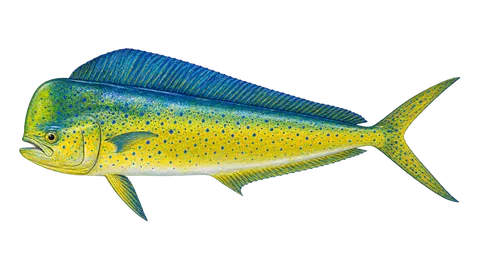
Fish that feed mid-water or a bit above the bottom: snook with live shrimp drifting on the tide, mullet and parati at the pier, tilapia and tambacu with feeder, trahira with lambari, cutlassfish at night, sailfish and dolphinfish with live bait at sea. It's also the best school for beginners.
where to look
- bridge pilings and piers
- mangrove root and bank
- current run along the bank
- mouth of channel and tidal creek
- tree shade and bankside vegetation
- pier and jetty at night (cutlassfish)
- islands and sardine schools at sea (sailfish, dolphinfish)
gear
Light freshwater: rod 1.8 to 2.7 m, spinning reel 1000 to 2500, mono 0.20 to 0.30 mm and hook no. 8 to 1/0. Estuary (snook): rod 6'6" to 7'0", 10-20 lb, spinning reel 2500 to 3000, braid 15 to 20 lb, fluorocarbon leader 25 to 40 lb and wide-gap or circle hook 1/0 to 3/0 of thin wire. Bobbers, sliding bobbers with stopper and feeders; at sea, large float or balloon with live bait and circle hook.
baits and lures
- live shrimp
- live lambari, piaba and manjuba
- live tainhota and parati (snook, pescada)
- live sardine and xixarro (sea)
- dough and feed pellets with feeder
- minhoca
- bread crumb and bread dough (mullet)
- fruit (pacu, tambacu)
how to do it
- Choose the float by the weight of the bait and sinkers: it should sink almost all the way, with only the tip showing. A float that is too big gets felt by the fish, which lets go.
- Set the depth at the stopper of the sliding float so the bait sits between a hand's width and half a meter above the bottom, or at the layer where the fish are.
- Spread split shot between the float and the hook so the bait falls straight and the float stands upright.
- In the river and estuary, release the float into the current and let it drift close to structure (piling, root, bank), feeding out line without a belly.
- Live bait: shrimp under the head horn, avoiding the dark spot; fish through the lips or back, in front of the dorsal fin, without hooking the spine.
- Set when the float sinks for good or starts moving off, not on the bobbles. With a circle hook, just reel until the line is tight.
- In the feeder, hide the hooks in the dough and refill with bait on each cast, without overdoing it.
common mistakes
- Float too big: the fish feels resistance and lets go.
- Wrong depth: bait in the mud or far from the fish.
- Line belly on the drift: you can't set the hook.
- Setting on the bobbles, before the float sinks for good.
- Live bait injured or dead on the hook.
- Live bait banned by local rules: exotic or ornamental species, or live bait for peacock bass in Amazonas.
species
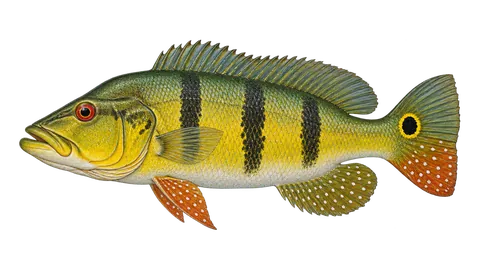
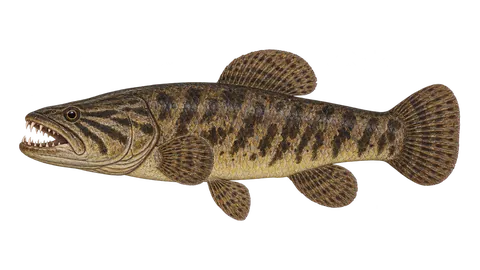
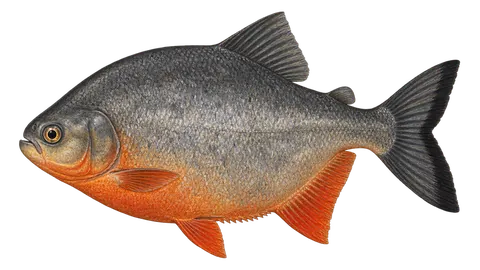
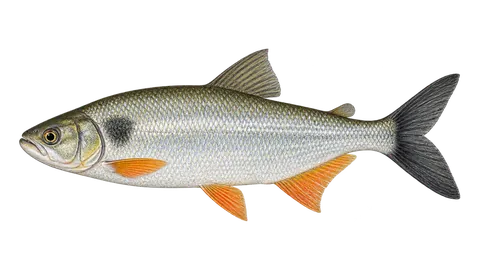
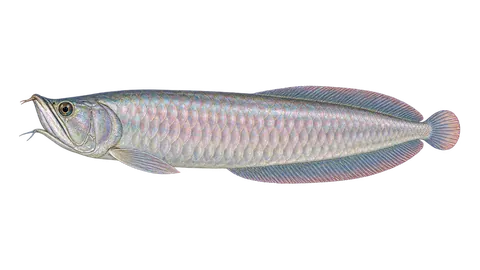
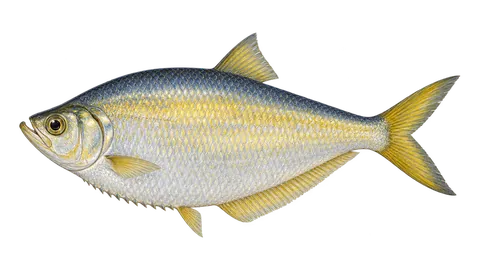
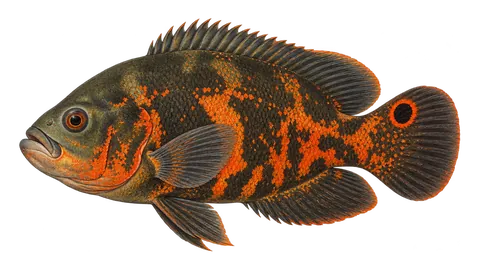
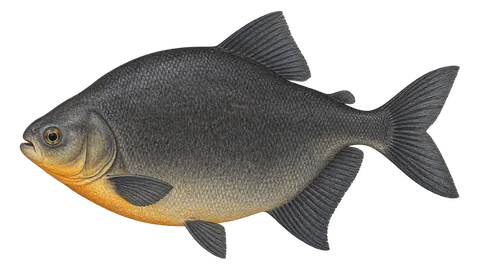
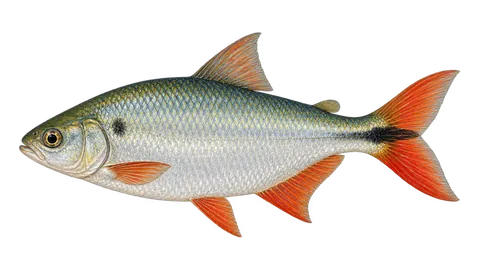
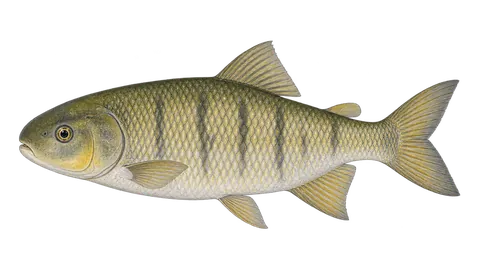
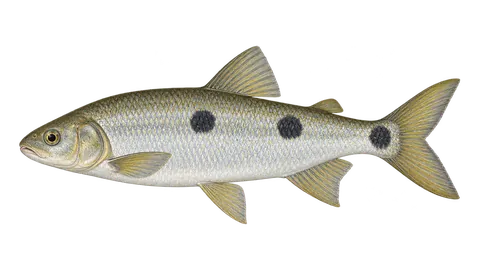
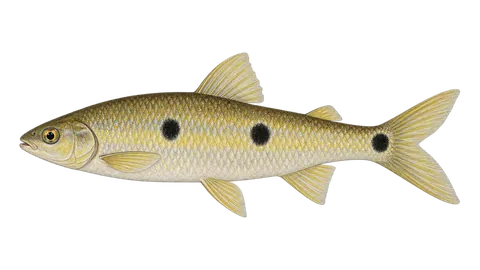
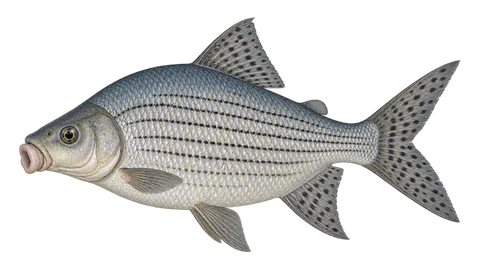
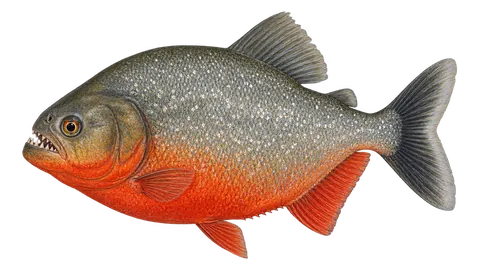
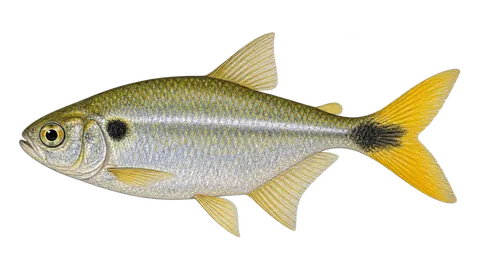
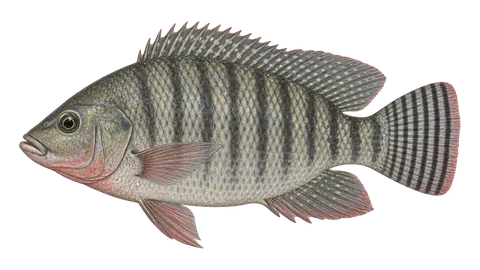
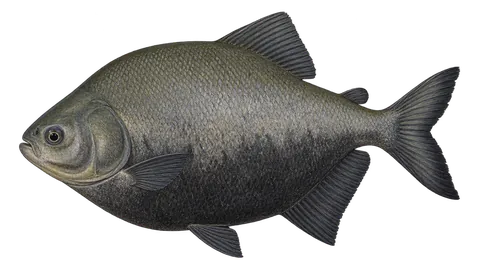
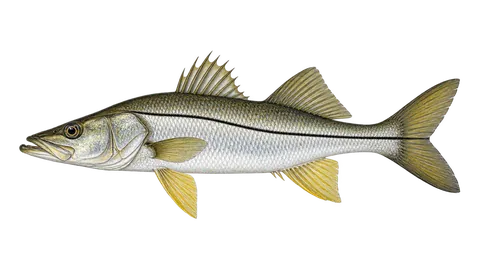
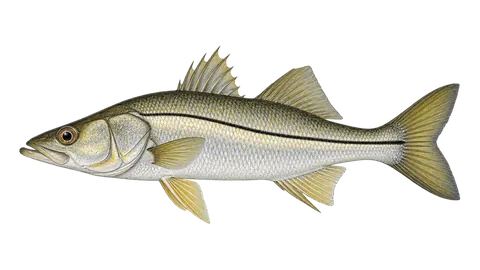
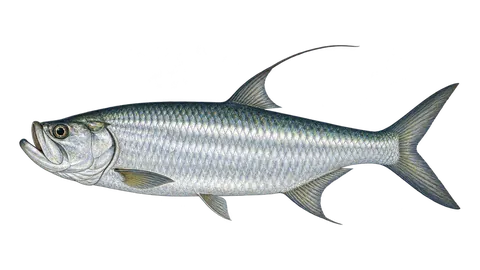
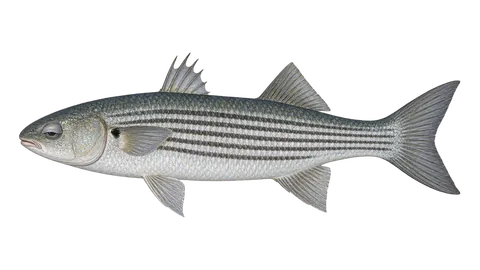
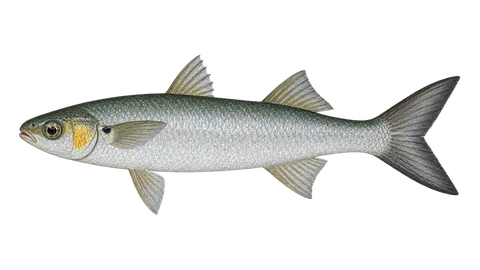
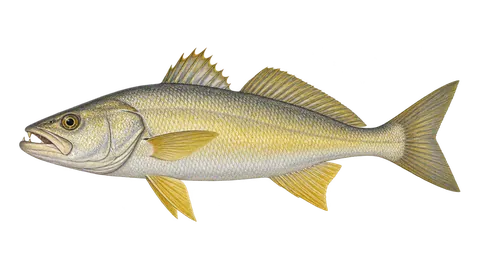
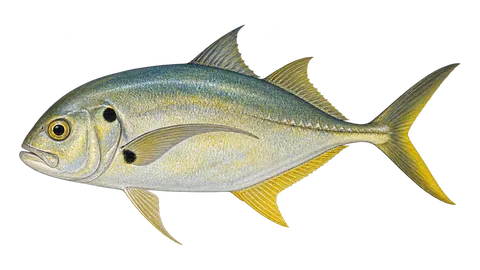
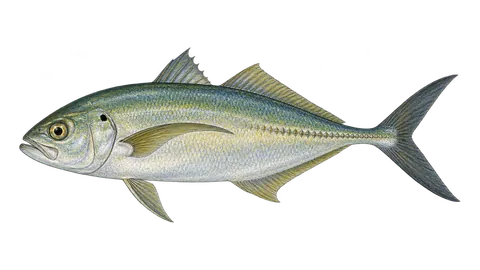
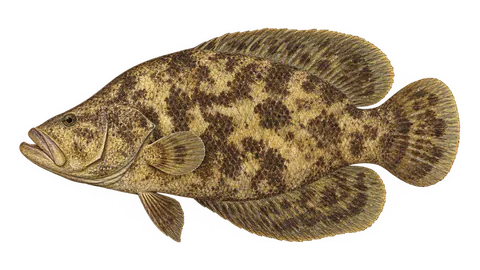
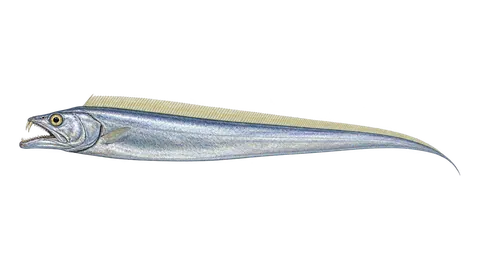
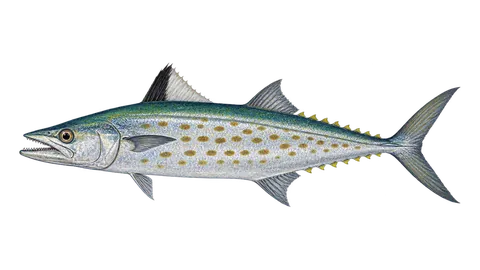
ready-made kits
sources and references
- technical Dunaway, V. Vic Dunaway's Complete Book of Baits, Rigs & Tackle. Florida Sportsman (várias edições)
- scientific Cooke, S.J.; Suski, C.D. (2004). Are circle hooks an effective tool for conserving marine and freshwater recreational catch-and-release fisheries? Aquatic Conservation: Marine and Freshwater Ecosystems 14: 299–326
- official Portaria SAP/MAPA nº 616/2022 — normas gerais da pesca amadoraGear allowed to amateurs (arts. 4 and 5), bait (art. 11) and transport (arts. 6, 12 and 13), per the app's regras.json.
- official Lei estadual AM nº 6.647/2023, com redação da Lei nº 7.208/2024Speckled peacock bass, pinima and vazzoleri: catch and release only; live bait banned for peacock bass fishing (art. 17), per the app's regras.json.