

pay-to-fish lake
Fishing in a stocked farm pond with dough, feed and feeder floats: a technique school, a guaranteed fight, and house rules.
when to use it
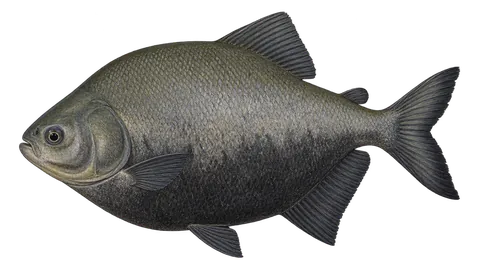
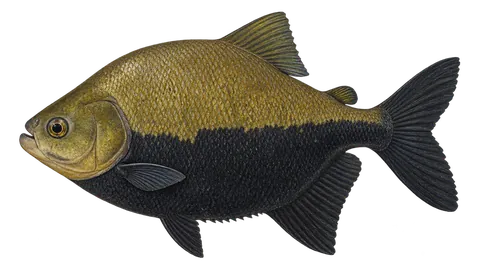
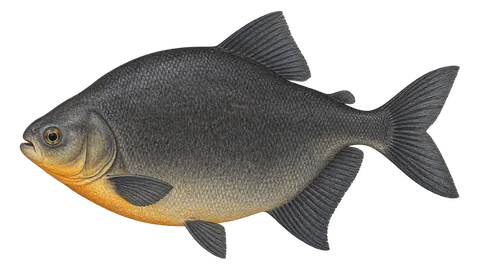
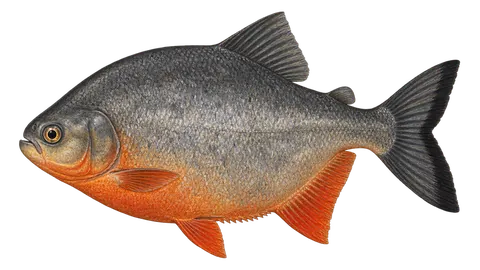
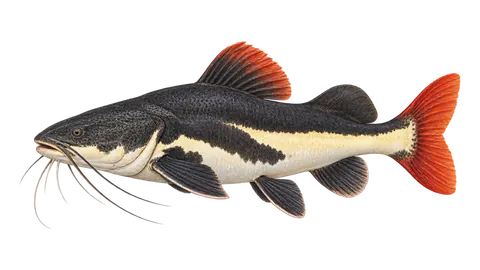
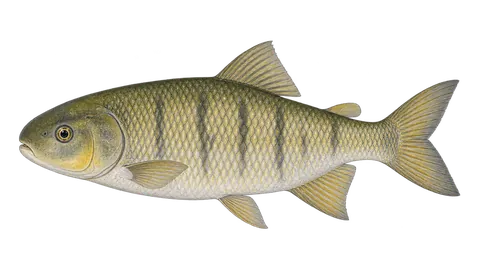
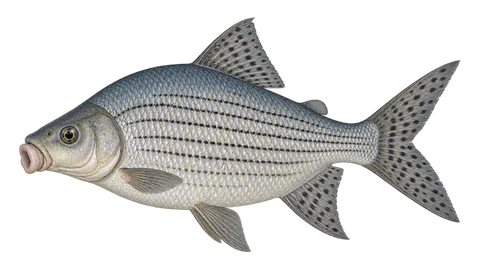
For training, bringing family and beginners, testing gear and fighting big round fish (tambacu, tambaqui, pacu, pirarara, carp) close to home. Hot days do better; in the winter in the South and Southeast the fish eat little and the chum takes time to work.
where to look
- water inlet and aerator
- corners where the wind pushes the feed
- tree and deck shade
- fishing platforms and deep part of the lake
gear
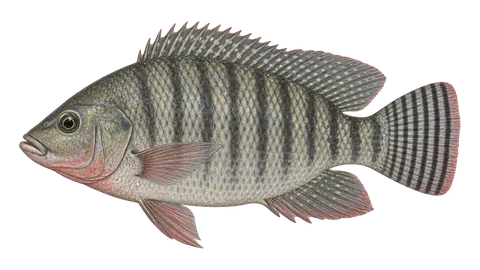
Tilapia: rod 1.8 m, 6-14 lb, spinning reel 1000 to 2500, mono 0.20 to 0.25 mm and maruseigo hook no. 8 to 2. Round fish: rod 1.8 to 2.1 m, 15-30 lb, spinning reel 4000 to 5000 or baitcasting reel 200, mono 0.35 to 0.45 mm or braid 30 to 40 lb, mono leader 50 to 60 lb and chinu or iseama hook 2/0 to 5/0. Pirarara and catfish: 30 to 60 lb gear. Feeder float 20 to 30 g, rubber landing net, pliers and rod holder.
baits and lures
- feed and cornmeal dough
- pellet feed (in the feeder or EVA bait)
- pellets and artificial fruit bait
- minhoca
- green corn
- fruit (guava, grape)
- piece of fish and liver (catfish and pirarara)
how to do it
- Read the house rules before rigging: many fish farms ban barbs, treble hooks, live bait and certain feeds, limit rods, and charge by the kilo of fish taken.
- Ask what feed is used in the tanks and what bait is working that day.
- In the feeder, use firm dough that breaks down slowly, with hooks hidden in it and 20 to 40 cm below the float for surface fish.
- On the bottom, use a light sliding sinker and dough or feed bait, with the line taut.
- Set when the float sinks for good or starts moving off. The first run of the tambacu is strong: drag set, never locked.
- Fight with the rod high and land the fish with a rubber landing net.
- To release, keep the fish in the water, remove the hook with pliers and let it go quickly.
common mistakes
- Locked drag: breaks the line on the first run.
- Too much chum: the fish fills up and stops eating the bait.
- Taking a long photo with the fish in the sun.
- Ignoring the house rules on barbs, treble hooks and bait.
- Releasing into a river or reservoir a fish brought from a fish farm: it's a species introduction and can be an environmental crime.
species
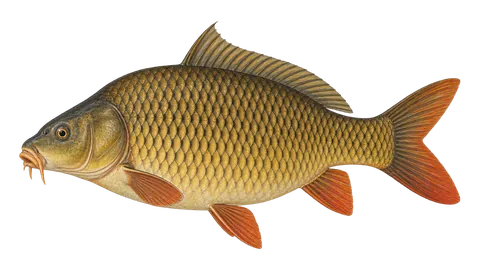
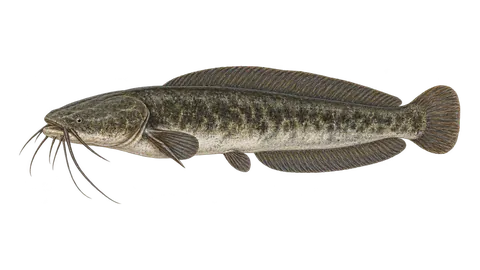
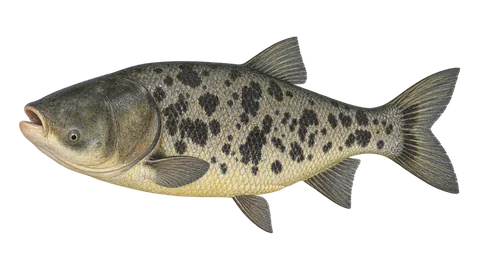

sources and references
- technical Keep Fish Wet — boas práticas de captura, manuseio e soltura
- scientific Brownscombe, J.W.; Danylchuk, A.J.; Chapman, J.M.; Gutowsky, L.F.G.; Cooke, S.J. (2017). Best practices for catch-and-release recreational fisheries – angling tools and tactics. Fisheries Research 186: 693–705
- official Lei nº 9.605/1998 (crimes ambientais), art. 61 — disseminação de espécies que possam causar dano aos ecossistemas