

bananal island — javaés river
The largest river island in the world, between the Araguaia and the Javaés. Isolated lakes with peacock bass, arapaima and aruanã.
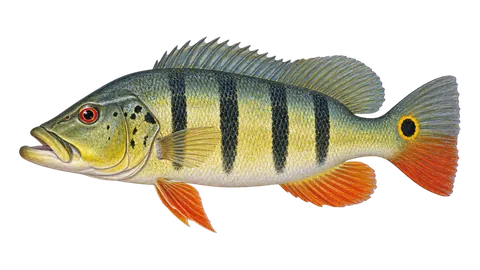
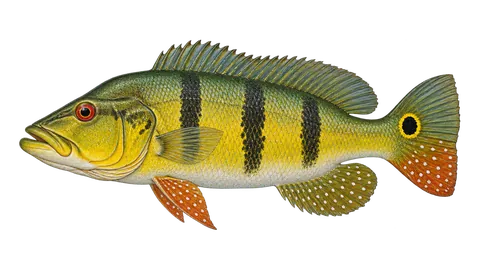
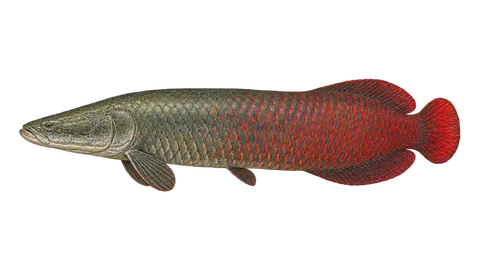
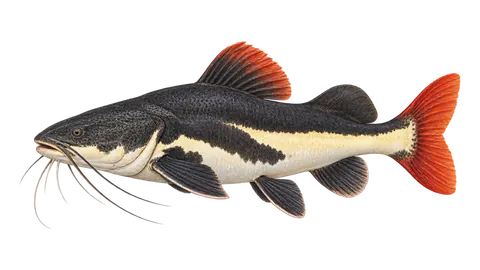
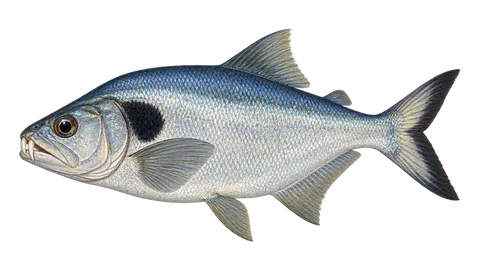
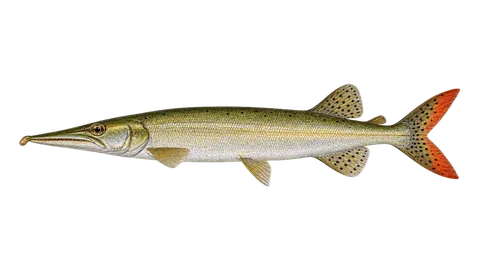
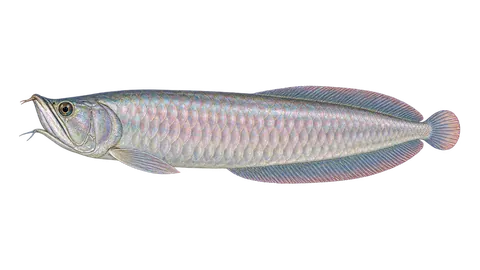
Bananal Island lies between the Araguaia and its smaller arm, the Javaés River. It is a floodplain of varjões, lakes and riverside forest, with plenty of wildlife. The Javaés, narrower, is the gateway from Lagoa da Confusão and Formoso do Araguaia. Peacock bass and arapaima in the lakes, pirarara and payara in the river, aruanã along the banks. Much of the island is indigenous land or national park, so fishing depends on open areas and operators with agreements.
best season
Low water, June to September, with isolated lakes and exposed beaches.
Local rules: Araguaia National Park and indigenous lands of the Karajá and Javaé peoples cover much of the island: fishing only with authorization and agreement with the communities. In Tocantins, Naturatins Ordinance 44/2026 bans transport of recreational catch for 3 years (consumption on site up to 3 kg per angler). Spawning closure (piracema) Nov 1 to Feb 28. Check local rules.
- getting there
- Palmas airport and about 200 km of road to Lagoa da Confusão. From the Javaés onward, dirt road and boat.
- facilities
- Inns and farm hotels in the Lagoa da Confusão area, camps and local guides. Smaller infrastructure than the Goiás Araguaia.
- basin
- Tocantins-Araguaia
tip
In low water, the river's isolated lakes concentrate fish, but the water warms up. Fish early and late in the afternoon.
Loading…
Each card shows the day's index (0 to 100) and, below it, a strip with the index for each hour, from 0h to 23h. from poor to excellent.
what you can catch here
sources and references
Access, facilities and season information changes: check with the lodge, a local guide or the city hall before you travel.
- official ICMBio — Parque Nacional do Araguaia
- official Diário Oficial do Tocantins — Portaria Naturatins nº 44/2026 (transporte de pescado)DOE-TO No. 7.013, March 6, 2026
- official Funai — Guia de orientações para análise de planos de visitação turística em terras indígenasApplies IN Funai 3/2015