

pedasí — iguana island and los frailes
Southeast tip of the Azuero Peninsula, with departures to Iguana Island, Los Frailes and the deep waters of the Gulf of Panama: yellowfin tuna, roosterfish and snapper.
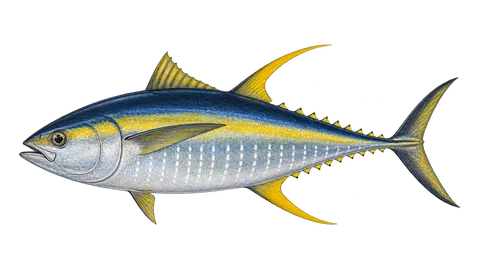
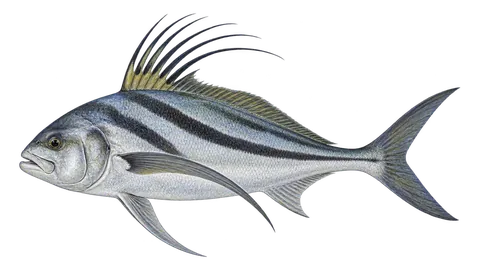
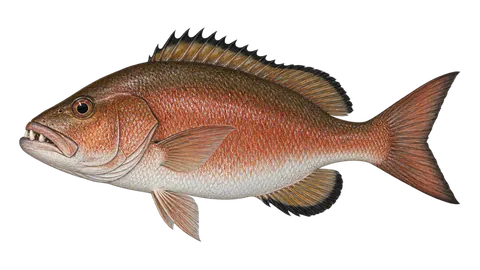
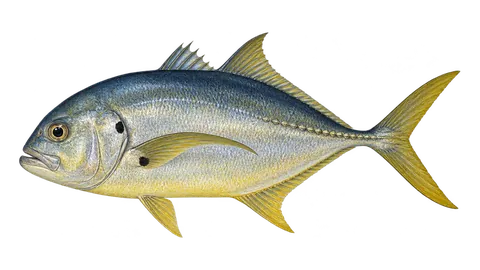
Pedasí is the seat of the district of the same name, in Los Santos province, at the southeast tip of the Azuero Peninsula. Boats leave from El Arenal beach for Iguana Island, a protected area since 1981, and for Los Frailes, rocky islets farther south, already in open sea. There, fishing is trolling, popper and jig for yellowfin tuna, mahi-mahi, wahoo and sierra. Along the rocks and beaches of the coast, roosterfish and Pacific dog snapper hit poppers and live bait, and Pacific jack pass in schools. The region has the only coral reefs on Los Santos' Pacific coast, monitored by MiAmbiente at Iguana Island, Achiotines, Puerto Escondido and Los Frailes.
best season
Yellowfin tuna and roosterfish show up all year. In the dry season, from January to April, wind often kicks up the sea off the tip of Azuero; in the rainy season there are more calm-sea days.
Local rules: Iguana Island is a MiAmbiente wildlife refuge, with more than 40 ha of coral reef: in protected areas, fishing is allowed only where the management plan permits, so ask the operator where it is allowed and do not anchor on coral. From December 2026 (Executive Decrees 9 and 10 of 2026, from ARAP), billfish, roosterfish and tarpon are catch and release only, and with natural bait circle hooks are mandatory for billfish; sharks and rays may not be retained; limit of 25 fish per boat per day (15 for tourist fishing). Confirm local rules.
- getting there
- From Panama City, about 5 hours by car via the Interamericana to Divisa, then through Chitré and Las Tablas. From El Arenal beach, a short launch crossing to Iguana Island.
- facilities
- Hotels, inns and restaurants in Pedasí; boatmen and fishing and diving operators in El Arenal. Iguana Island has MiAmbiente park rangers.
- country
- Los Santos, Panama
tip
At Los Frailes the current is strong and there is no shelter: head out in a large boat with radio and life vests. For tuna feeding on the surface, cast the popper far and retrieve it fast.
Loading…
Each card shows the day's index (0 to 100) and, below it, a strip with the index for each hour, from 0h to 23h. from poor to excellent.
what you can catch here
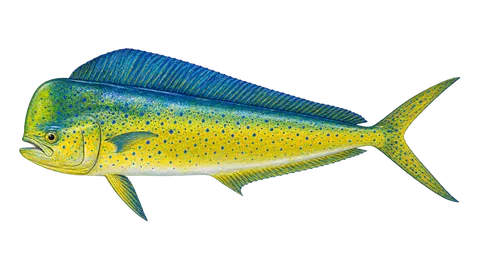
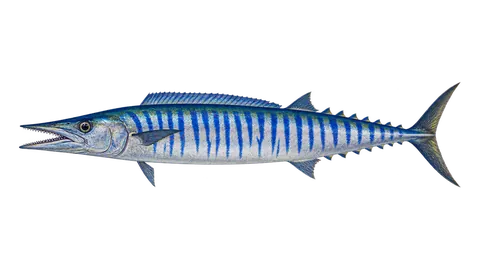
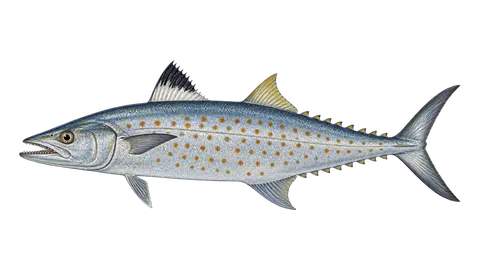
before you fish in Panama
ARAP's new rules (Executive Decree 9, of June 10, 2026) take effect six months after publication, in December 2026. From then on, anyone over 12 years old needs the ARAP sport angler card (carné), issued online (immediately, for foreigners), at the Ventanilla Única or at the regional offices. For foreigners: B/.20 for 7 days, B/.60 for 30 days and B/.150 for 180 days. Customers of an authorized tourist fishing boat are covered by the captain's card, and the boat needs its own license. Until it takes effect, ARAP's previous rule applies (Resolution ADM/ARAP 002/2012): confirm with ARAP or your operator.
- Billfish (blue, white, black and striped marlin, spearfish, sailfish and swordfish): species of exclusive sport fishing interest, catch and release only; with natural bait, circle hooks are mandatory; taking the fish out of the water for photos is prohibited (Executive Decree 10/2026, from December 2026).
- Atlantic cubera snapper, roosterfish and tarpon are also to become catch and release only; the exception is keeping 1 swordfish and 1 tarpon per boat per day, not for sale (Executive Decree 9/2026).
- Sharks and rays: catching or keeping them in sport fishing is prohibited. Retention limit of 25 fish per boat per day (15 in tourist fishing) and selling fish is prohibited (Executive Decree 9/2026).
- In protected areas (such as Coiba National Park), fishing is only allowed where the management plan permits it, and the card or license does not authorize fishing in a closed zone.
The rules and closed seasons in the rest of the app are Brazilian. Outside Brazil, the regulations of the country and province apply: confirm with the official agency.
sources and references
Access, facilities and season information changes: check with the lodge, a local guide or the city hall before you travel.
- official MiAmbiente — Isla Iguana tesoro natural y de gran atractivo en AzueroProtected area since 1981, wildlife refuge of the SINAP, surrounded by more than 40 ha of coral reef; park rangers and boatmen
- official MiAmbiente — Con más especies, arrecifes reflejan buen estado tras monitoreo realizado en PedasíMonitoring at Iguana Island, Achiotines, Puerto Escondido and Los Frailes; Pedasí is the only area on Los Santos' Pacific coast with these reefs
- official ARAP — Decreto Ejecutivo nº 9, de 10 de junio de 2026 (pesca deportiva)Arts. 2 and 24: in protected areas, fishing is allowed only where the management plan permits; art. 18: roosterfish and tarpon catch and release only; art. 19: sharks and rays; art. 21: 25 fish per boat per day (15 for tourist fishing); Annex I lists yellowfin tuna, snappers and Pacific roosterfish
- official ARAP — Decreto Ejecutivo nº 10, de 10 de junio de 2026 (peces pico o picudos)Billfish catch and release only; circle hook with natural bait; in force from December 2026