

bottom fishing from a boat
Boat anchored or drifting over a reef, slab, wreck, channel or pool, with a rig of natural bait or jig on the bottom.
when to use it
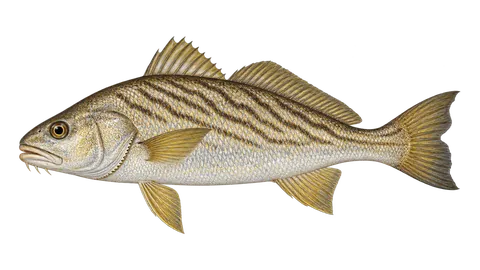
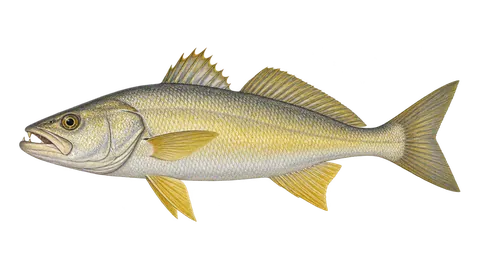
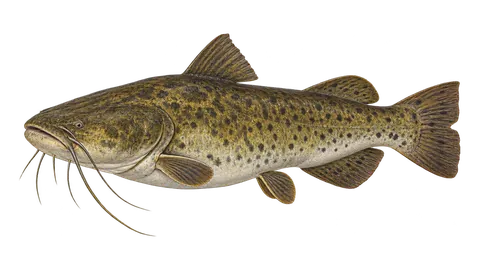
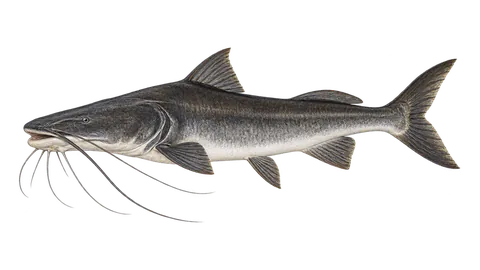
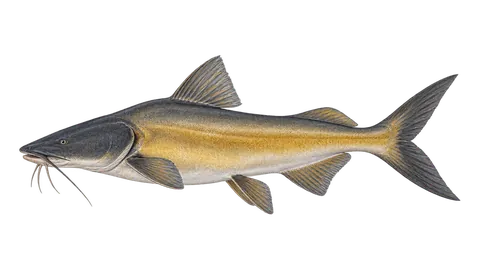
Bottom fish concentrated on structure: cioba, ariacó, guaiúba, dentão, olho-de-boi, sargo and John dory at sea; croaker and pescada in bay and estuary channels; jaú, piraíba and dourada in deep river pools. Weak to moderate current helps; rough sea and strong current complicate anchoring and contact.
where to look
- reef and slab
- wreck
- depth break
- bay and estuary channel
- pool below rapids (river)
gear
Sea: rod 1.8 to 2.1 m, 20-50 lb, round-profile baitcasting reel or spinning reel 6000 to 8000, braid PE 3 to 5 (50 to 80 lb) with 200 to 300 m, mono rig of 0.60 to 0.80 mm with 2 or 3 circle or octopus hooks 2/0 to 6/0, pear sinkers of 100 to 400 g tied with breakaway line, and a three-way swivel. River (pool): rod 40 to 100 lb, baitcasting reel 400 to 500, braid 65 to 130 lb, mono leader 100 to 200 lb, circle hook 10/0 to 14/0 and sinker 100 to 300 g. Descending device for releasing bottom fish.
baits and lures
- whole or filleted sardine
- squid in strips or whole
- shrimp
- fish fillet
- live fish (xixarro, sardine) for the bigger ones
- whole fish or fish head for jaú and piraíba (river)
how to do it
- Find the spot on the sonar and mark it. Anchor up-current and let the boat drop onto the mark, or make drifts passing over it.
- Lower the sinker until it touches bottom and reel up half a meter: the bait stays off the rocks and close to the fish.
- Keep the line tight and watch the rod tip for the bite. With a circle hook, only reel in firmly once the weight sets.
- Lift the fish off the bottom in the first few meters with firm drag, then reel at a steady pace.
- In the last few meters, reel in slowly: bottom fish suffer from decompression.
- To release a fish with barotrauma (stomach in the mouth, bulging eyes, swollen belly), return it to the bottom with the descending device. Don't puncture the swim bladder without training.
- Change washed-out baits and refill the chum sparingly to keep the school around.
common mistakes
- Stop over the spot with the engine running.
- Sinker too light for the current: the lines cross and don't reach bottom.
- Long, tangled rig.
- Releasing a fish with barotrauma floating.
- Targeting threatened species or those reserved for the authorized fleet (snapper, badejo, caranha, grouper) and bringing them up from 50 to 150 m, where release rarely works.
- Going out without checking wind, waves and safety gear.
species
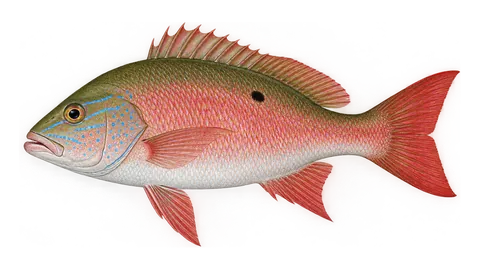
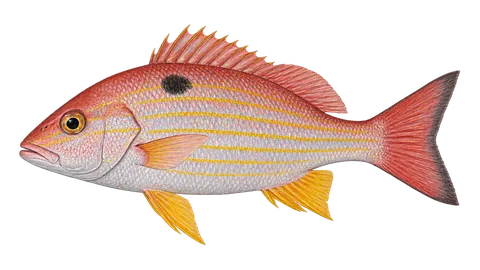
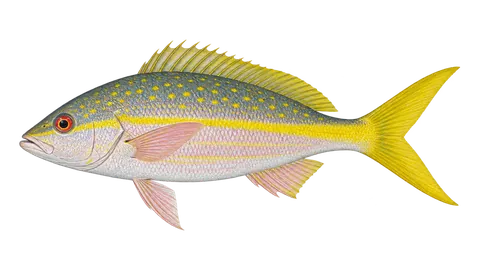
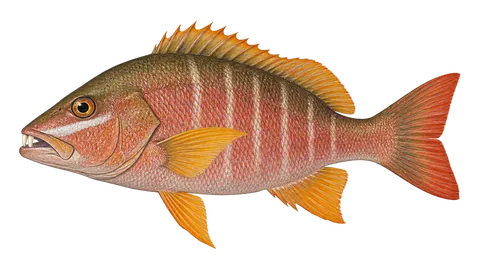
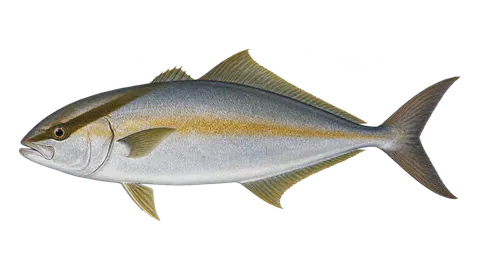
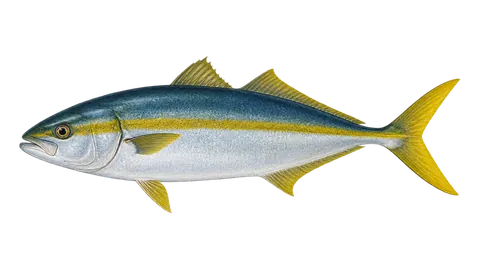
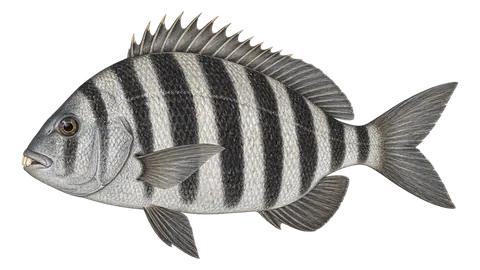
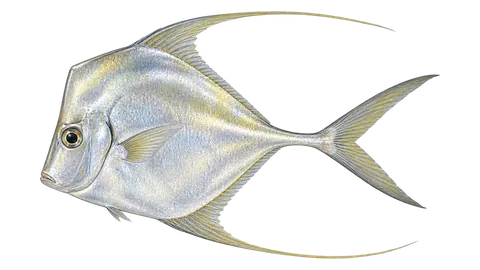
ready-made kits
sources and references
- technical Return 'Em Right — barotrauma e dispositivos de descida para peixes de fundo
- scientific Bartholomew, A.; Bohnsack, J.A. (2005). A review of catch-and-release angling mortality with implications for no-take reserves. Reviews in Fish Biology and Fisheries 15: 129–154
- scientific Brownscombe, J.W.; Danylchuk, A.J.; Chapman, J.M.; Gutowsky, L.F.G.; Cooke, S.J. (2017). Best practices for catch-and-release recreational fisheries – angling tools and tactics. Fisheries Research 186: 693–705
- official Lista nacional oficial de espécies ameaçadas de peixes e invertebrados aquáticos (MMA), versão vigenteSpecies and current rules are listed in the app's regras.json; check the current version with the MMA and ICMBio.