

rocky shore
Fishing on foot from rocky shore ledges, with natural bait on the bottom and in the foam, and artificial lures for predators that hunt along the rock.
when to use it
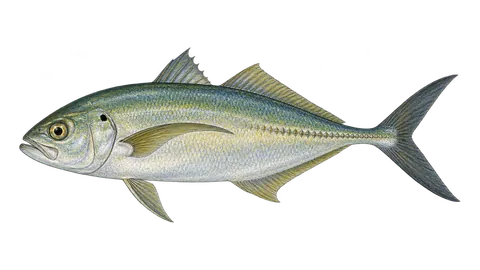
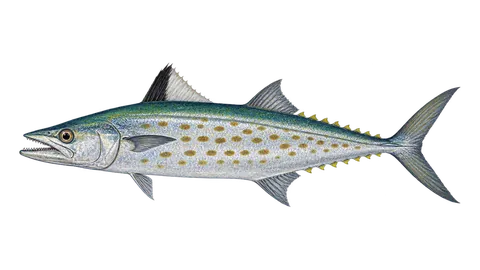
Only in calm to moderate sea with no undertow. Moving water (incoming and outgoing tide), white foam by the rocks; dawn and dusk do better. In the South, winter for bluefish; in the Southeast, summer for crevalle jack, sororoca and dentão.
where to look
- rocky point with foam
- cracks and channels between rocks
- slab exposed at low tide
- jetty and breakwater
- meeting point of rocky shore and beach
gear
Natural bait: rod 2.7 to 3.6 m, 30-100 g, sealed spinning reel 5000 to 6000, braid 30 to 60 lb or mono 0.40 to 0.45 mm, mono or fluorocarbon leader 50 to 80 lb with 1.5 to 2 m, and pear sinker held by a breakaway line. Artificial: rod 9 to 11 feet, 20-60 g or more, spinning reel 4000 to 8000, braid 20 to 50 lb, leader 40 to 80 lb and short wire for bluefish and sororoca. Long-handled landing net, non-slip footwear and life jacket.
baits and lures
- crab, blue crab and guaiá
- shellfish and barnacle
- shrimp
- squid and sardine
- metal jig 30 to 80 g
- popper and stickbait
- shad 10 to 12 cm
- minnow and mid-water baits
how to do it
- Check the wave forecast and bad weather warnings before leaving. With undertow, don't go.
- Arrive and watch the sea for 15 to 20 minutes: waves come in sets and the biggest one passes well above the others. The wet rock shows how high the water reaches.
- Choose a high, dry rock, decide where to exit if the sea rises, and never stand with your back to the sea.
- Natural bait: cast into the foam and the cracks where water comes and goes, with enough sinker to hold the bait and a breakaway line at the sinker.
- Artificial: metal jig cast far and retrieved fast, with pulls, for bluefish, sororoca and crevalle jack; popper and stickbait when there is bait on the surface; shad and minnow in the foam for snook.
- Hook up and lift the fish off the rock in the first meters, with firm drag and a high rod.
- Land the fish with a long-handled net or by riding the wave. Never go down to the water.
common mistakes
- Fishing in undertow or with your back to the sea.
- Stepping on green slime or on wet dark stone.
- Going down to the water to free a snag or land a fish.
- Fishing alone.
- Thin leader: the rock cuts it in seconds.
- Targeting threatened species (goliath grouper, badejo, grouper, caranha): if they come up, release them right away.
species
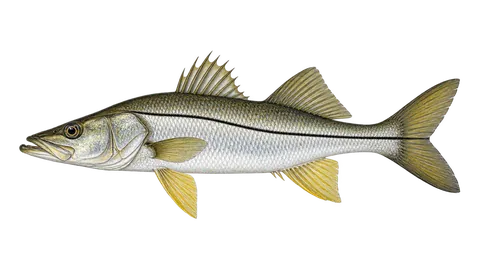
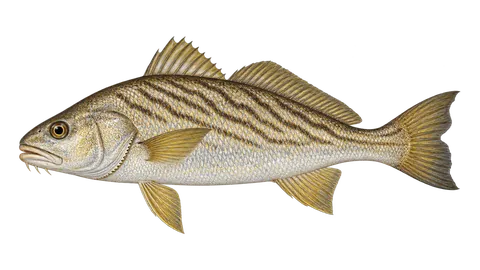
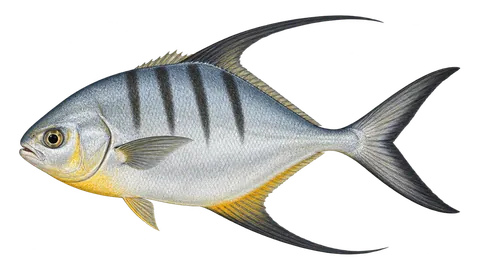
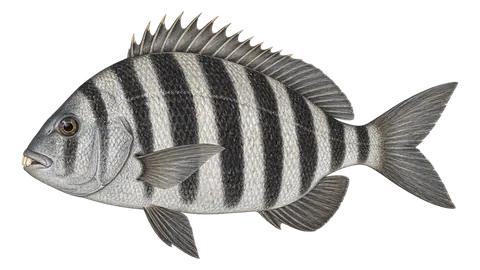
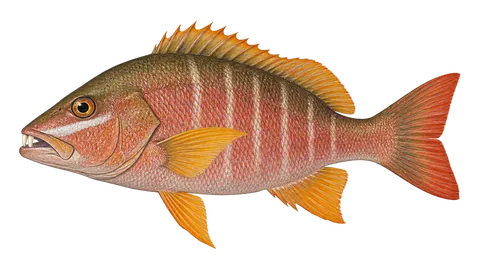
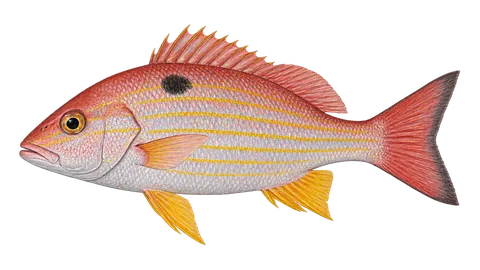
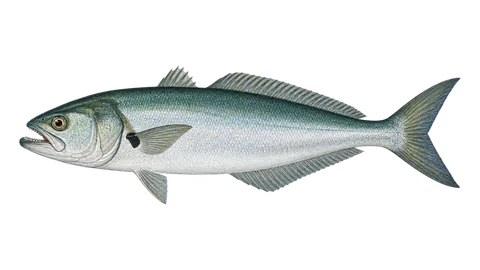
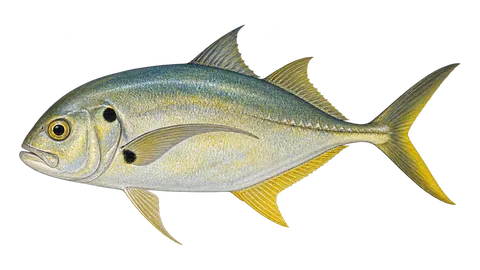
ready-made kits
sources and references
- technical SOBRASA — Sociedade Brasileira de Salvamento Aquático (prevenção de afogamento)
- official Marinha do Brasil, Centro de Hidrografia da Marinha — avisos de mau tempo e tábuas de maré
- technical Dunaway, V. Vic Dunaway's Complete Book of Baits, Rigs & Tackle. Florida Sportsman (várias edições)
- official Lista nacional oficial de espécies ameaçadas de peixes e invertebrados aquáticos (MMA), versão vigenteSpecies and current rules are listed in the app's regras.json; check the current version with the MMA and ICMBio.