

bottom casting (jig and soft)
Artificial lures worked on or near the bottom (jig head with shad, feather jig, Texas and Carolina worm, artificial shrimp) for fish holding close to structure.
when to use it
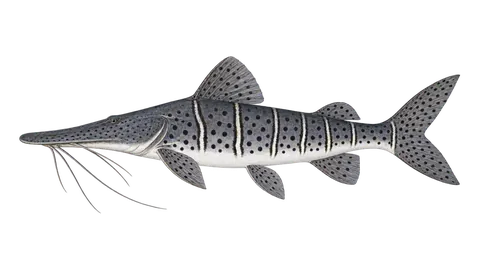
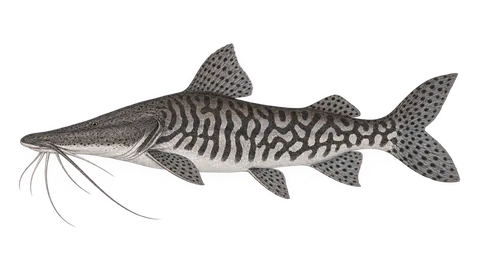
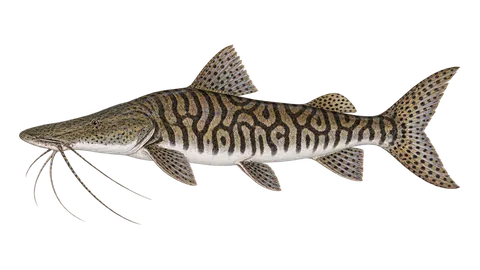
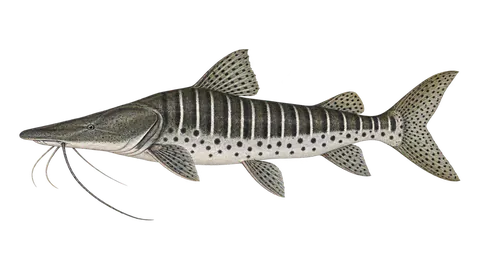
Fish holding on the bottom or in structure: high sun, cold water, the day after a front, strong current, or pressured fish. In a reservoir, when the sonar shows fish between 3 and 10 m. At night and before dawn, for catfish that take artificial lures (surubim, cachara, caparari).
where to look
- rocky bottom and submerged slab
- depth break and channel edge
- pool below rapids
- island point in reservoir
- bridge pilings and estuary channel
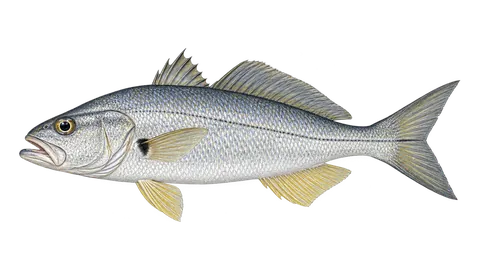
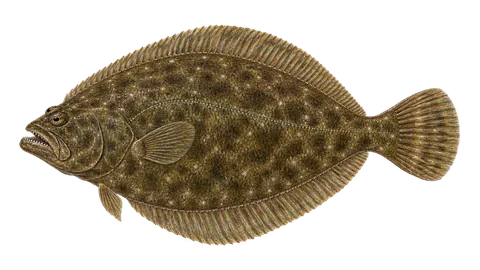
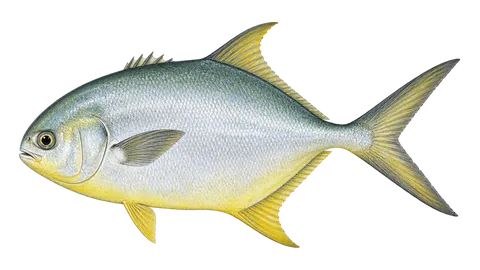
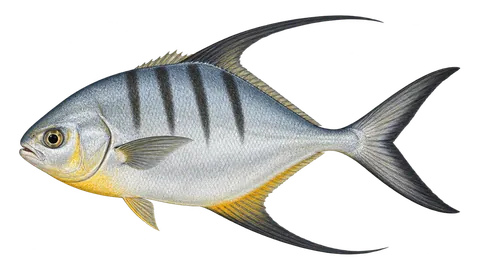
- beach trough and sandbar edge (flounder, pompano)
- deep timber
gear
Rod 6'0" to 7'0", fast or extra-fast action (sensitivity and hooksets with single hooks), 8-17 lb to 15-30 lb; spinning reel 2500 to 4000 or baitcasting reel 100 to 200; braid 15 to 40 lb to feel the bite; fluorocarbon leader 15 to 50 lb, 1 to 1.5 m. Jig heads 3.5 to 28 g (1/8 to 1 oz): use the lightest one that still touches bottom in the day's current.
baits and lures
- shad and grub on jig head
- feather jig (hair jig) 1/8 to 1 oz
- worm rigged Texas and Carolina
- sinking artificial shrimp
- pompano jig (lead head with feather)
- lipless and blade worked on the bottom
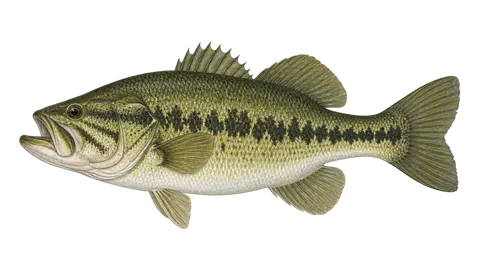
- skirted jig (black bass)
how to do it
- Cast and count seconds while the lure sinks on controlled line, until the line goes slack on the bottom. The count tells you the depth and lets you repeat the layer.
- Take up the slack and give two or three short hops, raising the rod tip from 10 to 11 o'clock.
- Let the lure fall again with the line nearly tight, following it with the rod. Watch the line: a tap, line moving sideways, or sudden slack means a fish.
- Set hard and fast at the first unusual sign: a single hook needs force to penetrate.
- In current, cast upstream or across and let the lure bounce down; adjust the jig head weight until you feel bottom on each drop.
- In vegetation and timber, use an offset hook with the point buried in the soft plastic (Texas) and a bullet sinker; on clean bottom, Carolina rig with a sliding sinker and a 50 to 120 cm leader.
- On the beach and jetty, slowly drag the artificial shrimp or pompano jig along the sand, with pauses.
common mistakes
- Head too heavy: the lure drops fast, snags and spends little time in the fish's zone.
- Slack line on the drop: the fish takes and you don't see it.
- Weak hookset with a single hook.
- Long, fast hops with fish holding still.
- Ignoring the current: the weight that touched bottom in the morning may not reach it in the afternoon.
species
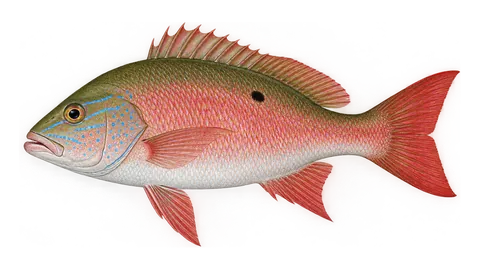
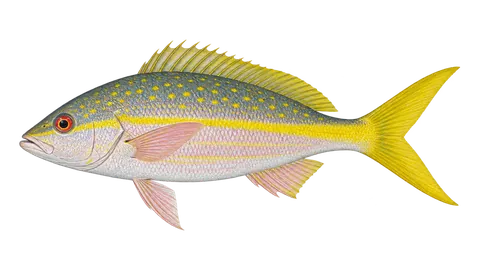
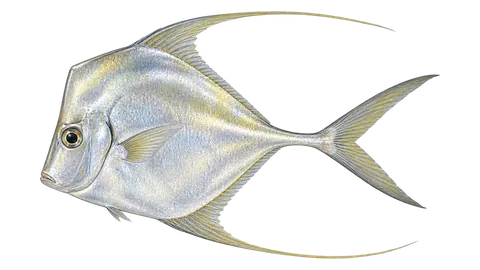
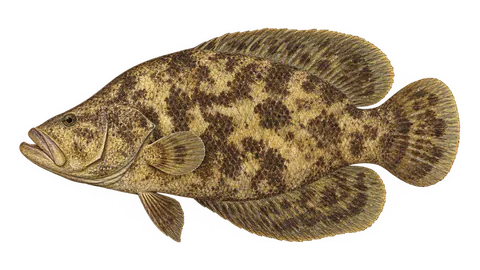
ready-made kits
sources and references
- technical Schultz, K. Ken Schultz's Fishing Encyclopedia: Worldwide Angling Guide. IDG Books
- scientific Brownscombe, J.W.; Danylchuk, A.J.; Chapman, J.M.; Gutowsky, L.F.G.; Cooke, S.J. (2017). Best practices for catch-and-release recreational fisheries – angling tools and tactics. Fisheries Research 186: 693–705