

surf casting
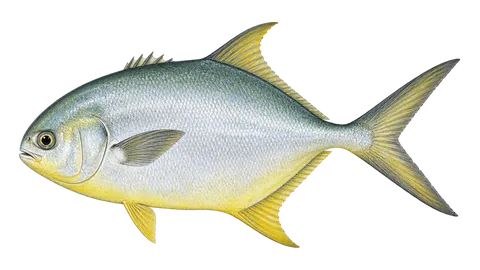
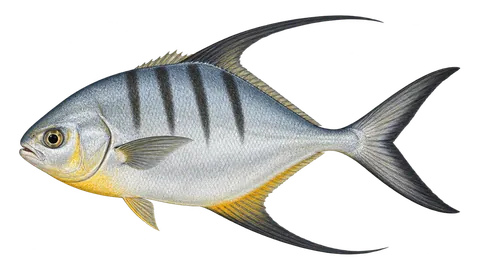
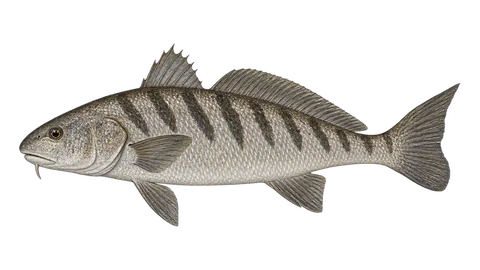
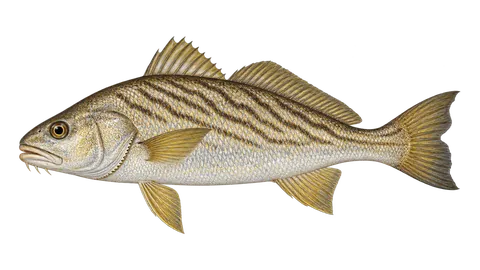
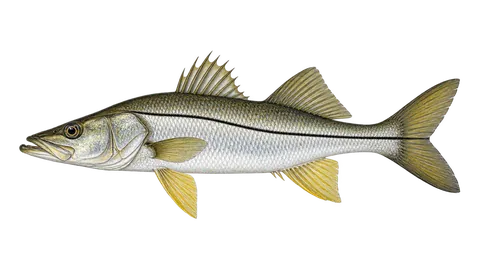
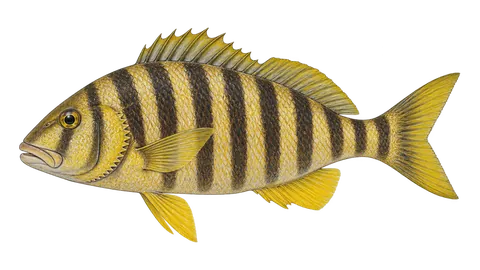
Casting sinker and natural bait from the sand to the trough, inside or beyond the breakers, for pompano, betara, croaker and friends.
when to use it
Incoming tide, especially in the hours before high tide; moderately rough sea with slightly murky water; dawn, dusk and night for croaker. Very rough sea, dirty water and undertow ruin the fishing and raise the risk.
where to look
- trough between sandbars
- edge of rip current, pescada from the sand
- beach point next to rocky shore
- river mouth and bar
- molhe
gear
Rod 3.6 to 4.5 m (12 to 15 feet) for sinkers 50 to 200 g; long-spool surf reel (5000 to 7000); mono 0.25 to 0.35 mm or braid 15 to 20 lb. Shock leader required, by the 10 lb per ounce of lead rule: 100 g needs about 35 lb (about 0.50 mm) and 150 g about 55 lb (0.60 to 0.70 mm). The leader should be long enough to give 6 to 8 wraps on the reel. Rig of 2 hooks with 0.35 to 0.50 mm droppers; pyramid, grip or round sinker; maruseigo or chinu hooks no. 2 to 2/0.
baits and lures
- tatuí, preferably soft (freshly molted)
- corrupto
- beach worm (polychaete)
- shrimp
- marisco
- sardine and squid in strips
- pompano jig and dragged artificial shrimp
how to do it
- Read the beach at low tide: the sandbar is where the wave breaks and foams; the trough is the darker strip where the wave doesn't break; the channel is the cut connecting the trough to the sea.
- Rig the leader with the sinker at the end and the baits above, on short droppers, with side loop knots or swivels between beads.
- Bait firmly with elastic line: tatuí, corrupto, shrimp or shellfish for pompano and betara; sardine, squid and shrimp for croaker.
- Look to the sides and behind, let the sinker sit about 1 m from the rod tip and cast with your body, without a jerk.
- Put the bait in the trough, which isn't always far: pompano and betara feed in the first trough.
- Leave the rod in the holder with the line tight and the tip bent. Pompano bites and runs sideways; croaker gives sharp taps.
- Set by lifting the rod and reel in firmly. In the surf, use the wave to bring the fish to the sand.
common mistakes
- Casting a heavy sinker without a shock leader: the line breaks and the sinker becomes a projectile.
- Wading in up to your waist to cast farther.
- Bait poorly secured, which comes off on the cast.
- Slack line: you don't see the nibble.
- Ignoring the rip current and wave sets.
- Splicing thin mono to heavy leader with Uni-Uni: prefer Albright, a shock-leader knot or a tapered leader.
species
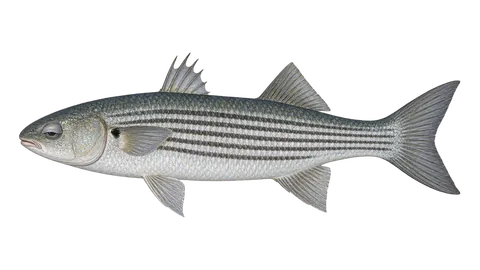
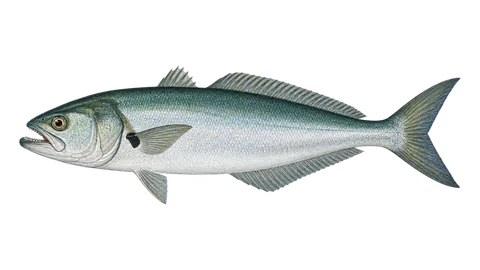
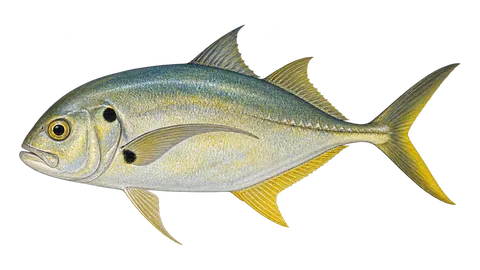
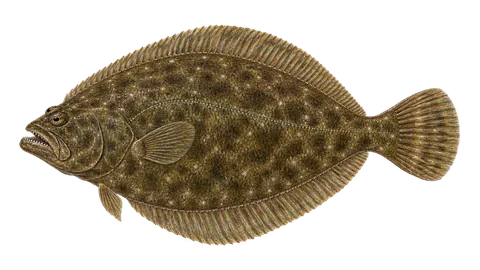


ready-made kits
sources and references
- technical Dunaway, V. Vic Dunaway's Complete Book of Baits, Rigs & Tackle. Florida Sportsman (várias edições)
- technical Wilson, G. Geoff Wilson's Complete Book of Fishing Knots, Leaders and Lines. Australian Fishing Network (várias edições)
- technical SOBRASA — Sociedade Brasileira de Salvamento Aquático (prevenção de afogamento)
- official Marinha do Brasil, Centro de Hidrografia da Marinha — avisos de mau tempo e tábuas de maré