

trolling
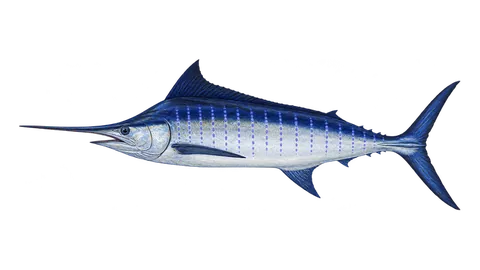
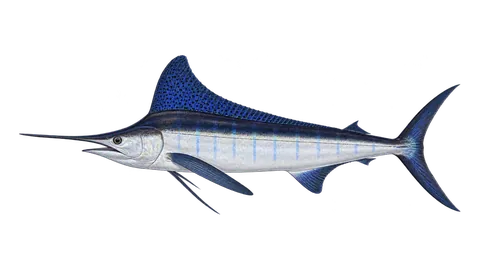
Lures pulled by the moving boat to cover lots of water and find pelagic or channel fish, from dorado in the river to blue marlin at the edge of the shelf.
when to use it
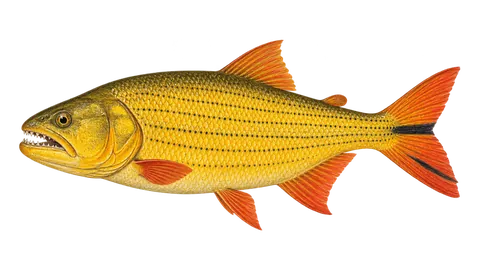
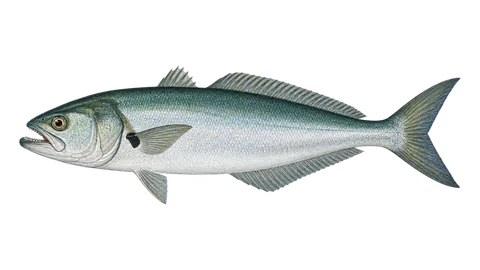
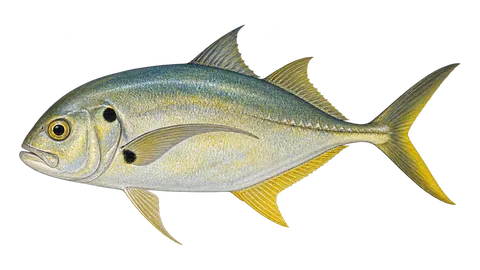
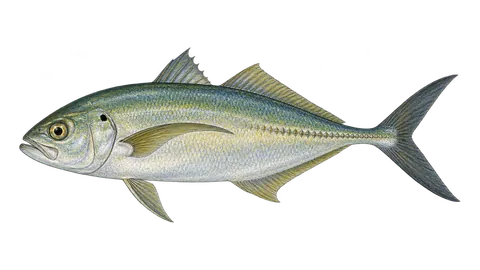
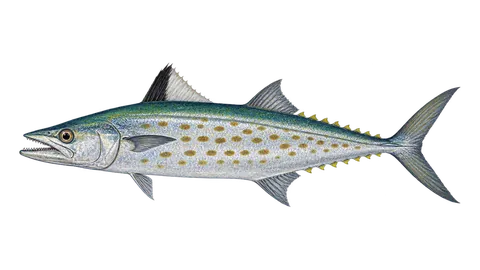
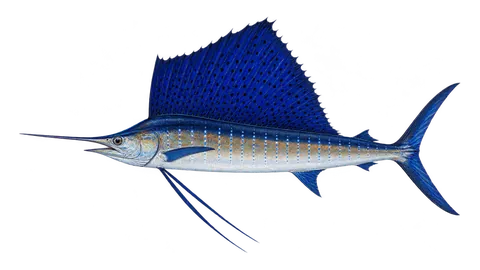
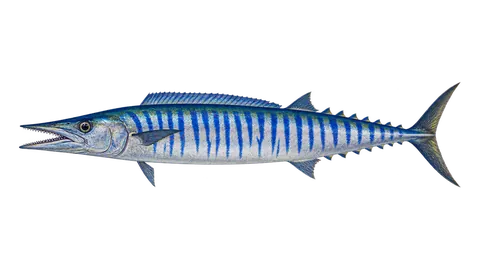
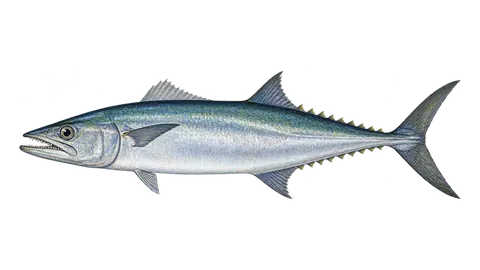
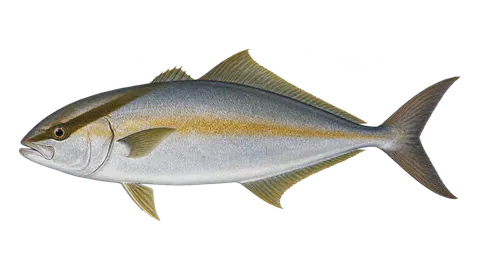
Scattered and moving fish. Offshore: marlins, sailfish, dolphinfish, tuna and wahoo, sought along current lines, color and temperature changes in the water, sargassum and birds working. Inshore: mackerel, sororoca, bluefish and crevalle jack. In wide rivers and reservoirs: dorado and cachorra, where the rules allow. In the interior waters of Paraná, trolling is banned.
where to look
- shelf break and slope
- current line and water color change
- reefs, islands and rock slabs (mackerel, olho-de-boi, sororoca)
- buoys and platforms, outside the safety zone
- sargassum and floating objects (dolphinfish)
- river channel and reservoir edge, where allowed
gear
Coast and river: rod 6'6" to 7'0", 15-30 lb, spinning reel 4000 to 6000 or trolling reel 20 to 30 lb, braid 30 to 50 lb or mono 20 to 30 lb, fluorocarbon leader 40 to 80 lb or thin wire for toothy fish. Offshore: lever-drag rods and reels in the line class (20-30 lb for sailfish and dolphinfish, 30-50 lb for tuna and wahoo, 50-80 lb for blue marlin), mono of the class with 500 m or more, crimped mono leader 80 to 400 lb, wire leader for wahoo and circle hook on natural bait.
baits and lures
- skirts and resin heads 6 to 14 inches
- trolling lipped plugs (shallow and deep)
- silicone squid and daisy chain as teaser
- rigged natural bait (needlefish, squid, bonito)
- live bait on slow troll (sardine, xixarro, bonito)
- spoons and lipped plugs for coast and river
- trolling bullet sinker with skirt for wahoo
how to do it
- Find the water: temperature break, current line with debris, color change, sargassum, logs and birds. The sonar with surface temperature and the nautical chart show the shelf break.
- Set up the spread: lures at different distances, placed in the wake of the boat, 2 to 6 lines depending on the boat, with teasers near the stern when the target is billfish.
- Match the speed to the lure: about 2 to 4 knots with live bait, 6 to 9 knots with skirts and plugs for marlin and dolphinfish, 12 to 16 knots with lead lures for wahoo.
- Set the drag at the strike point, about a third of the line's breaking strength, with the lever marked at that position.
- With a circle hook, don't set: let the line tighten with the boat moving. Billfish on natural bait: release 3 to 5 seconds of line (drop-back) before closing the drag.
- When hooked, reel in the other lines, maneuver to bring the fish to the stern or amidships, and fight it with the rod low.
- Billfish: short fight, leader in hand, and release with the fish in the water and the boat moving slowly.
common mistakes
- Don't run the boat over the school or the birds: go around the edge.
- Wrong speed for the bait: it spins or jumps out of the water.
- Drag too tight at the strike: breaks the line or tears the mouth.
- J hook on natural bait for marlin: increases gut hooking and mortality on release.
- Lifting billfish out of the water for a photo.
- Entering the 500 m safety zone of an oil platform.
species
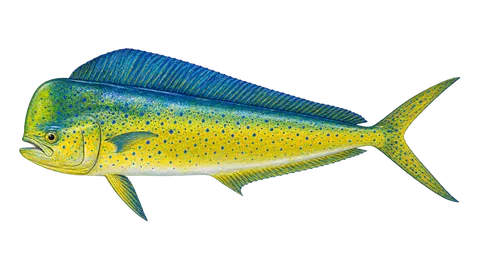
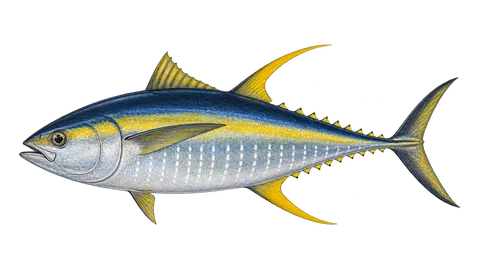
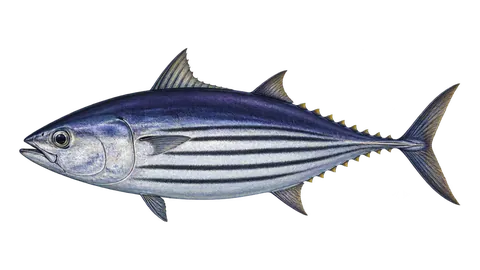
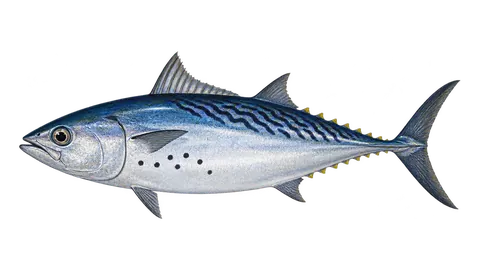
sources and references
- technical IGFA — International Angling RulesLine classes, leader limits and double line, hook rules, measurement and weighing of records.
- scientific Horodysky, A.Z.; Graves, J.E. (2005). Application of pop-up satellite archival tag technology to estimate postrelease survival of white marlin caught on circle and straight-shank (J) hooks in the western North Atlantic recreational fishery. Fishery Bulletin 103: 84–96
- technical The Billfish Foundation — programa de marcação e soltura de peixes de bico
- scientific Cooke, S.J.; Suski, C.D. (2004). Are circle hooks an effective tool for conserving marine and freshwater recreational catch-and-release fisheries? Aquatic Conservation: Marine and Freshwater Ecosystems 14: 299–326
- official Convenção das Nações Unidas sobre o Direito do Mar, art. 60 (zonas de segurança de até 500 m em torno de instalações no mar), promulgada no Brasil pelo Decreto nº 99.165/1990
- official Portaria IAT nº 650/2025 (PR) — pesca nas águas interiores do ParanáUp to 3 rigs in the water per angler, trolling banned, treble hook only factory-mounted on artificial lures, per the app's regras.json.