

jigging
Vertical fishing with metal jig worked from the bottom up to the fish's layer, from fast speed jigging to slow pitch, in which the jig glides on the fall.
when to use it
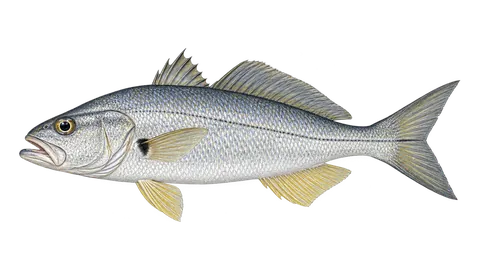
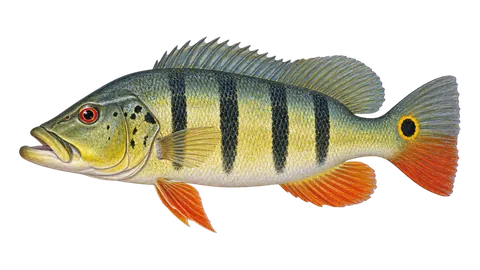
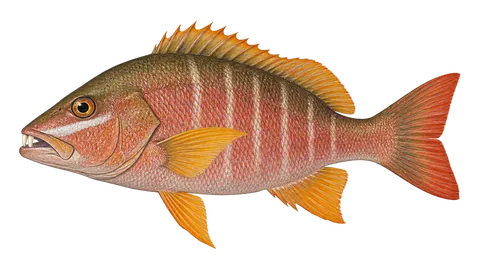
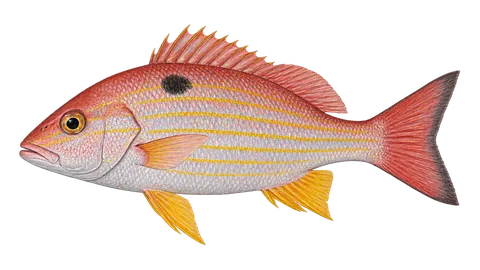
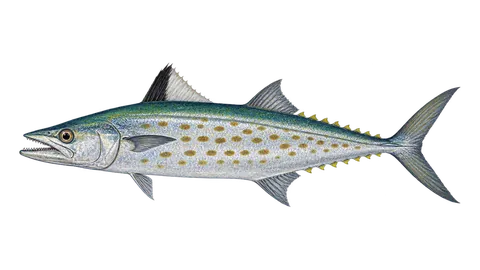
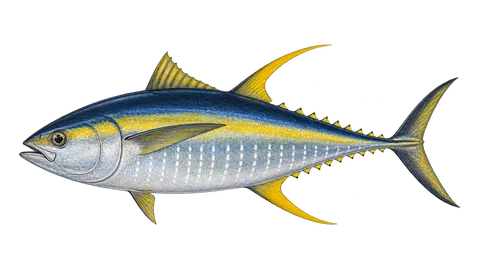
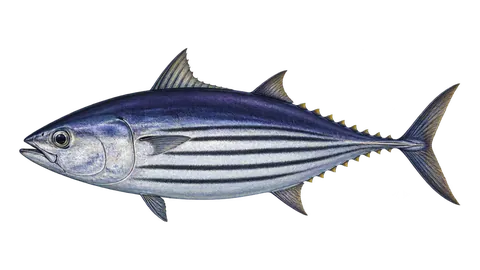
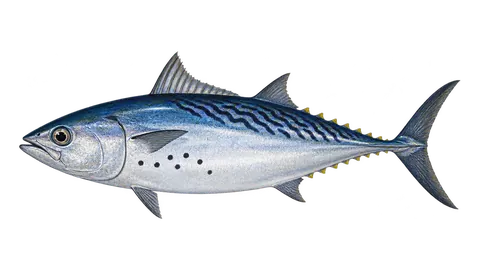
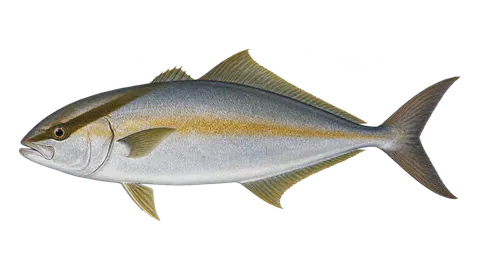
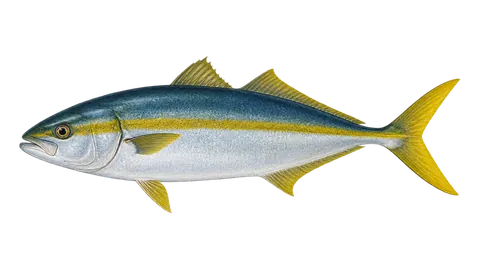
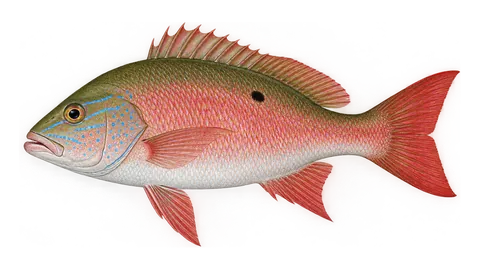
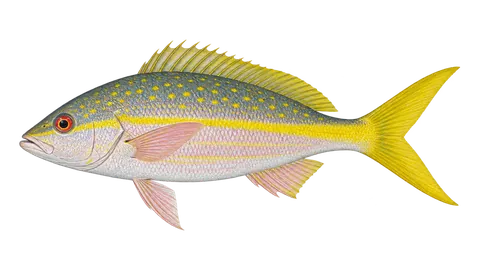
Fish marked on the sonar over reefs, slabs, wrecks, depth breaks or in suspended schools: olho-de-boi, olhete, tuna, dentão, cioba, guaiúba, crevalle jack and bonito. In freshwater, micro jig for pescada-do-piauí and blue peacock bass in deep reservoirs. Works best with controlled drift and moderate current; strong current requires a heavy jig and loses contact.
where to look
- reef and slab
- wreck
- shelf break
- suspended school marked on the sonar
- deep rocky bottom in reservoir
- deep estuary channel (micro jig)
gear
Speed jigging: rod 5'0" to 5'8", PE 3 to 6, spinning reel 8000 to 14000 with 15 kg or more of drag, or jigging reel 400 to 500, PE 3 to 5 braid marked by color every 10 m, fluorocarbon leader 60 to 130 lb, 3 to 5 m, and jigs 100 to 400 g. Slow pitch: 6'3" to 6'8" parabolic-action rod, low-profile or round reel, PE 1.5 to 3 braid, leader 40 to 80 lb and jigs 80 to 300 g. Micro jig: 6'6" to 7'0" rod, 8-20 lb, spinning reel 2500 to 4000, PE 0.8 to 1.5 and jigs 10 to 60 g. Assist hooks on the jig head (and on the tail too, in slow pitch), solid ring and high-strength split ring.
baits and lures
- long metal jig (speed)
- flat, asymmetric slow pitch jig
- micro jig 10 to 60 g
- casting jig for bait boils
- inchiku and skirted jig
- heavy jig head with large shad
how to do it
- Position the boat up-current from the sonar mark and let the drift carry the jig over the structure. With an electric motor or virtual anchor, keep the line as vertical as possible.
- Use the lightest jig that reaches bottom and keeps the line close to vertical: the current decides the weight.
- Drop with the reel controlled by your thumb. Many bites come on the fall: if the line stops or goes slack before bottom, set the hook and reel in.
- Speed: lift the jig off bottom with short pulls and one turn of the handle per pull, rising 10 to 20 m before dropping again.
- Slow pitch: raise the rod with half or one turn of the handle and drop the tip with the line tight, so the jig glides and falls sideways. Bites come on the glide.
- Once hooked, lock the drag and pump nonstop for the first 10 to 15 m to get the fish out of the rock or wreck.
- To release bottom fish with barotrauma, use a descending device.
common mistakes
- Jig too heavy for the current: it loses action and the fish refuses it.
- Line too angled from the drift: you can't feel bottom and you snag.
- Loose drag with olho-de-boi: it reaches the rock and cuts the line.
- Assist hook dull or with a loose knot.
- Releasing bottom fish floating up, without a descending device.
- Running a combustion engine over the school.
species
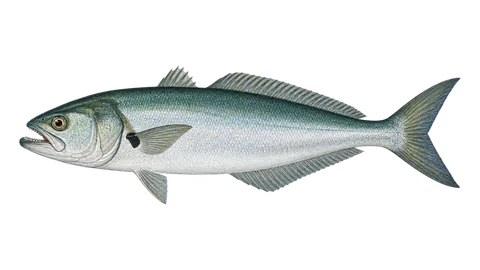
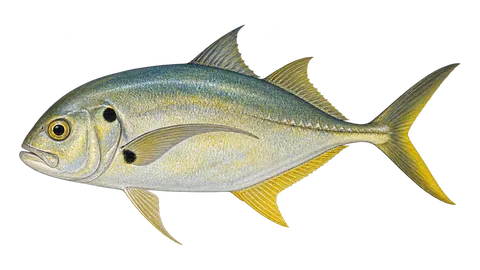
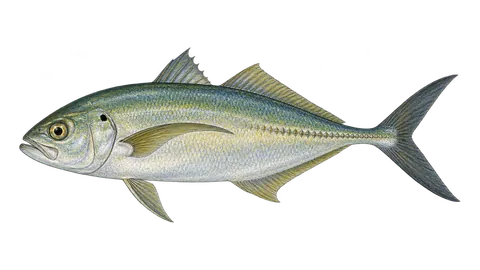
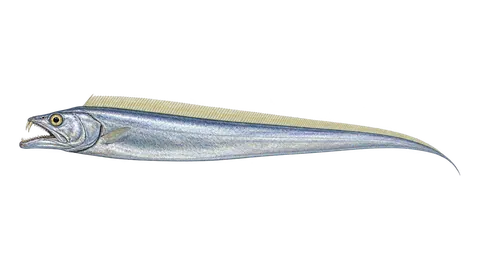
ready-made kits
sources and references
- technical Return 'Em Right — barotrauma e dispositivos de descida para peixes de fundo
- scientific Bartholomew, A.; Bohnsack, J.A. (2005). A review of catch-and-release angling mortality with implications for no-take reserves. Reviews in Fish Biology and Fisheries 15: 129–154
- scientific Brownscombe, J.W.; Danylchuk, A.J.; Chapman, J.M.; Gutowsky, L.F.G.; Cooke, S.J. (2017). Best practices for catch-and-release recreational fisheries – angling tools and tactics. Fisheries Research 186: 693–705
- technical IGFA — International Angling RulesLine classes, leader limits and double line, hook rules, measurement and weighing of records.