

fly fishing
Fly casting: using the line's own weight to present light, bulky flies that no other technique puts on the water the same way.
when to use it
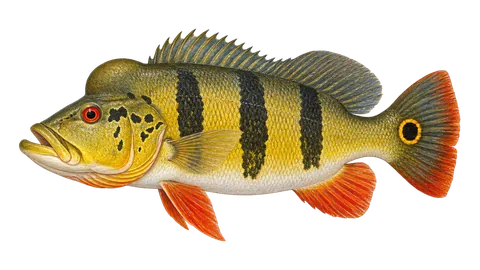
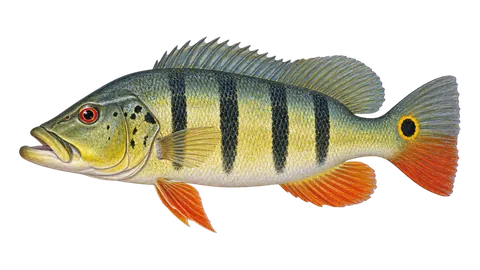
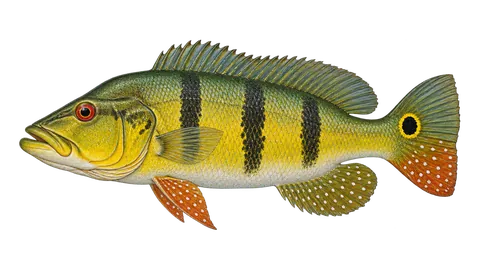
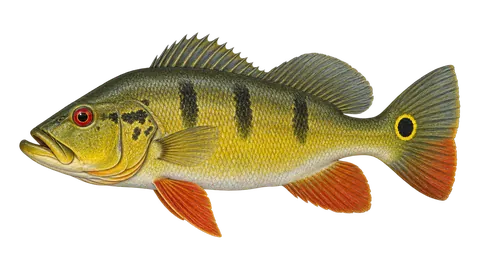
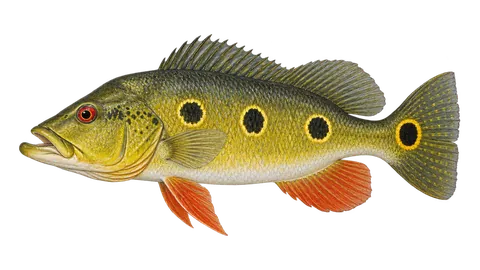
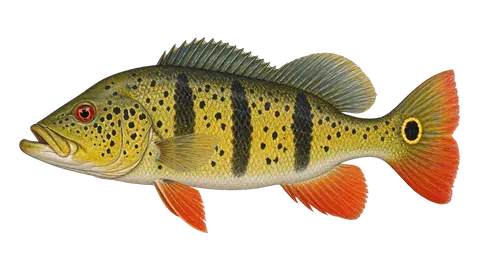
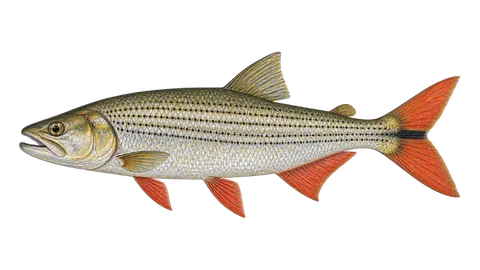
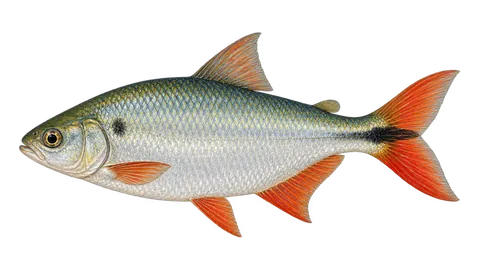
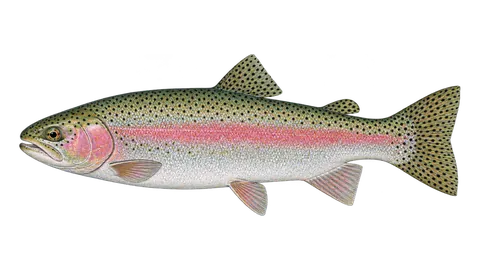
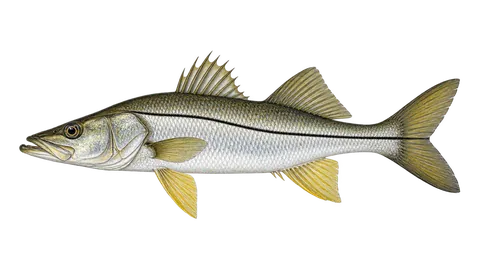
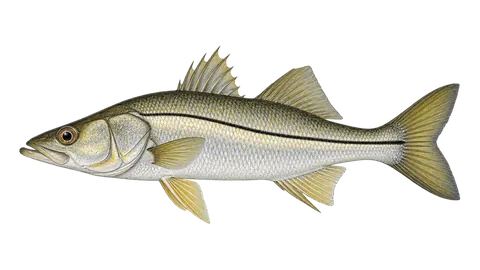
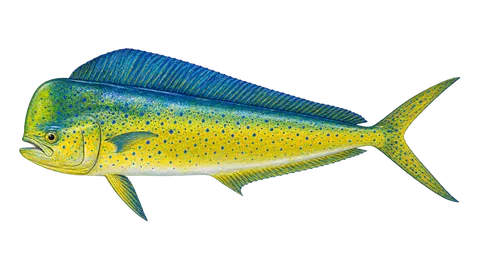
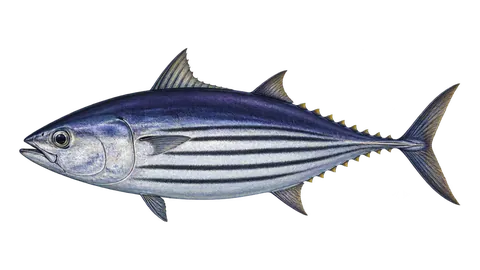
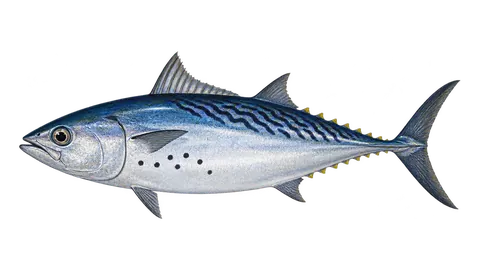
Fish in shallow water and in sight, schools on the surface, fish that refuse heavy or noisy bait, clear water. In Brazil, it works for peacock bass on beach edges and in timber, dorado and piraputanga in clear rivers, snook at the mangrove edge, bonito at feeding boils and trout in mountain rivers. With strong wind, or with deep fish in heavy current, it loses to conventional casting.
where to look
- beach edge and shallow sunken logs (peacock bass)
- head and exit of rapids (dorado)
- shade of fruit tree (piraputanga)
- mangrove roots and tidal creek mouth (snook)
- bait boil at sea
- pool and rapids of mountain river (trout)
gear
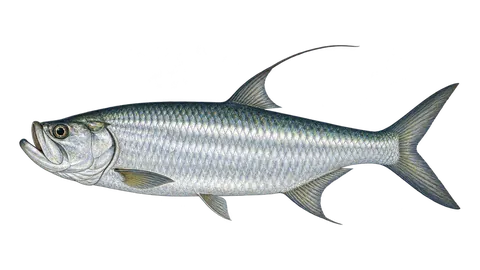
Rod, reel and line of the same weight. #4 to #5 for trout and lambari; #6 to #7 for yellow peacock bass, trahira, piraputanga and robalo-peva; #8 to #9 for blue peacock bass and popoca, dorado and robalo-flecha; #9 to #10 for speckled peacock bass with big flies and wind; #10 to #12 for tarpon, dolphinfish and tuna. Tropical floating WF line as the base; intermediate or sink tip for river and pool. Backing of 100 to 200 m of 20 to 30 lb dacron. Leader 1.5 to 2.7 m: 30 to 50 lb fluorocarbon for peacock bass, fine steel or titanium tip 15 to 25 cm for dorado, 30 to 40 lb fluorocarbon for snook, and 4X to 6X tippet for trout.
baits and lures
- streamers 6 to 15 cm (Deceiver, Clouser Minnow, bucktail)
- poppers and gurglers
- shrimp imitations
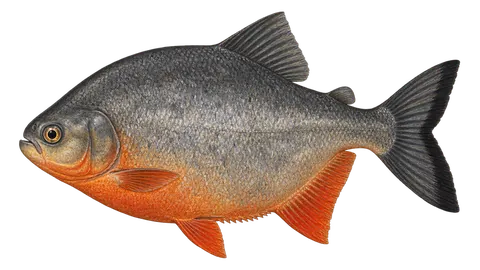
- fruit and seed flies (pacu, piraputanga, pirapitinga)
- nymphs, dry flies and woolly buggers (trout)
- epoxy and synthetic fiber flies for bonito
how to do it
- Rig in order: backing with an arbor knot, fly line (loop-to-loop or Albright), leader (loop-to-loop or nail knot) and tippet.
- Start with 8 to 10 m of line stretched on the water and the rod tip low.
- Lift while accelerating and stop sharply near 1 o'clock: the stop forms the loop. Wait for the line to extend behind you.
- Accelerate forward and stop sharply near 10 o'clock. Use few false casts and release the line from your hand right after the stop (shoot).
- Strip in with your free hand, rod tip low and pointed at the fly, varying length and rhythm.
- Set the hook with a strip set: pull the line with your hand, without lifting the rod. Then strip the loose line onto the reel and fight the fish with the drag.
- For heavy flies and wind, learn the double haul before the trip.
- On heavy leader (30 to 60 lb), tie the fly with a loop knot (non-slip loop or Rapala loop) or Uni; the improved clinch works for fine tippet.
common mistakes
- Mismatched gear (#8 rod with #6 line).
- Power instead of a hard stop.
- Starting the cast forward before the line extends behind.
- Lifting the rod to set the hook on a predator.
- Stepping on loose line on the boat deck during the run.
- Improved clinch on a 40 to 50 lb leader: it doesn't seat and slips.
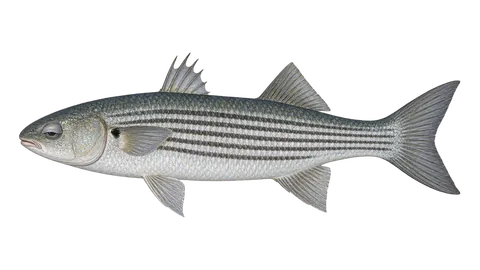
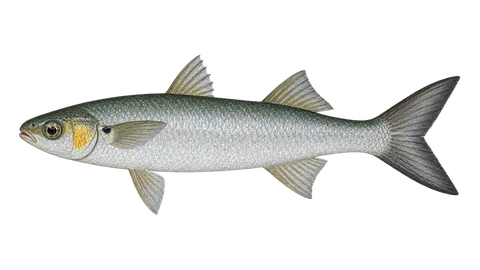
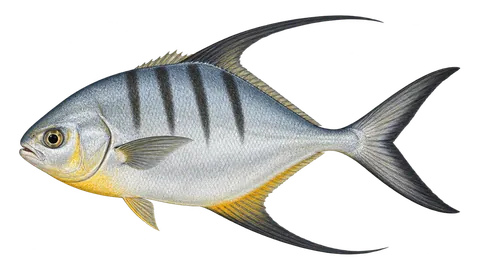
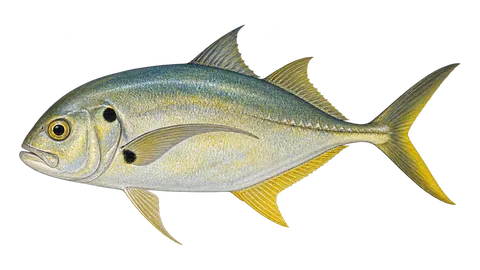
species
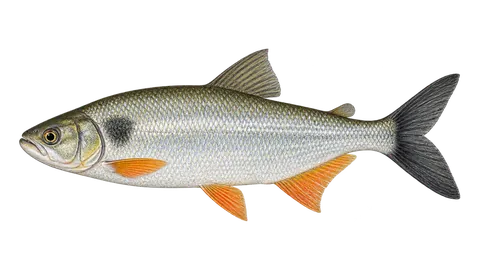
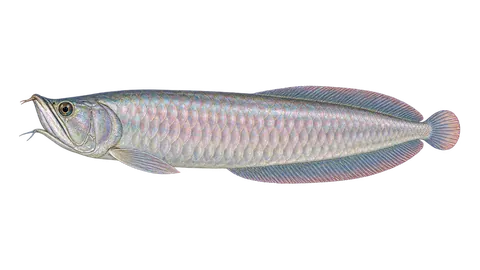
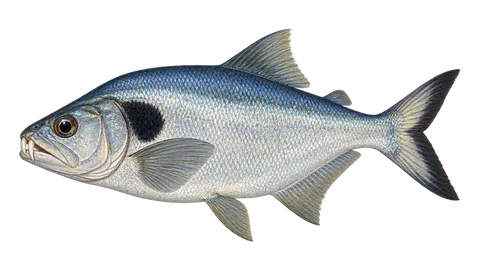
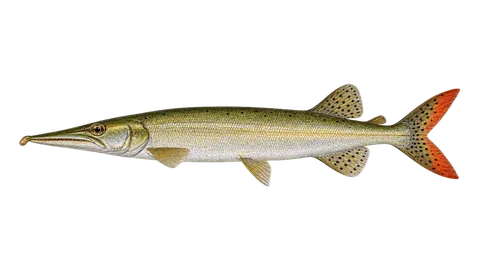
ready-made kits
sources and references
- technical Kreh, L. (2008). Casting with Lefty Kreh. Stackpole Books
- technical Wulff, J. (1987). Joan Wulff's Fly Casting Techniques
- technical AFFTA (American Fly Fishing Trade Association) — padrão de numeração de linhas de fly pelo peso dos primeiros 30 pésStandard inherited from the old AFTMA; it defines the line, rod and reel number (#).
- technical IGFA — International Angling RulesLine classes, leader limits and double line, hook rules, measurement and weighing of records.