

mid-water casting
Lures that swim below the surface (minnow, jerkbait, crankbait, lipless, spinnerbait, spoon, shad on retrieve) for active fish that won't rise.
when to use it
Hunting fish that won't rise to the surface: higher sun, clear water, wind that ruins the surface, slightly colder water or pressured fish. It's the search technique: it covers lots of water, finds the fish, and then you refine with topwater or bottom.
where to look
- island and beach points
- channel alongside a beach or sandbank
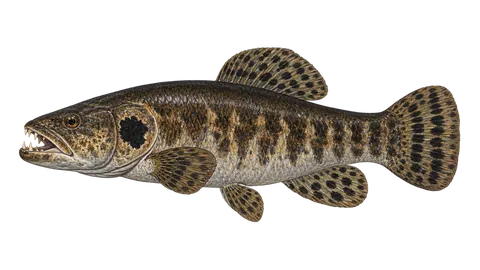
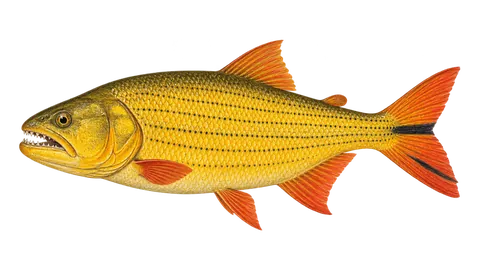
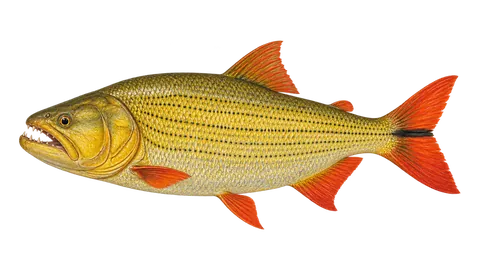
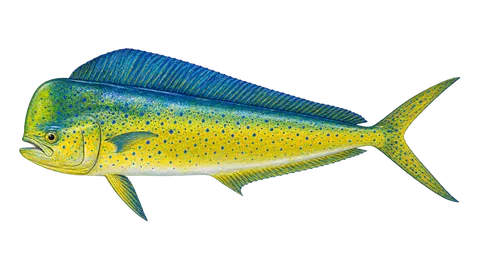
- rapids, eddy and foam line (dorado, matrinxã, cachorra)
- submerged timber and stake fields in reservoirs
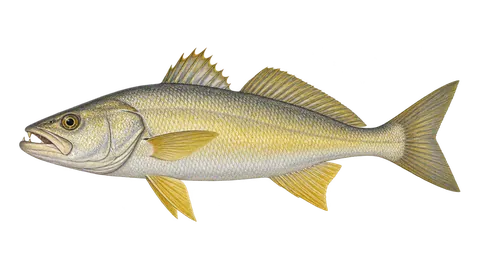
- mouth of tidal creek and mangrove channel on the ebb (snook)
- bridge pilings and piers
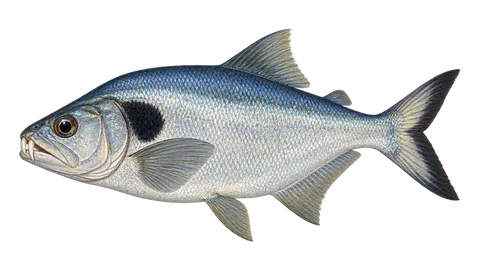
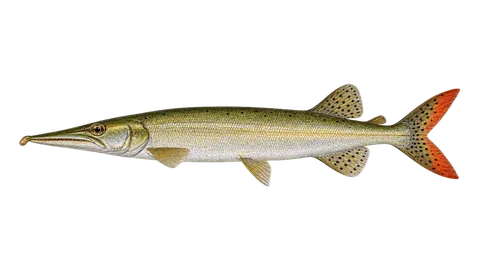
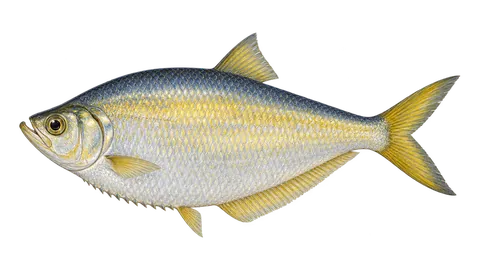
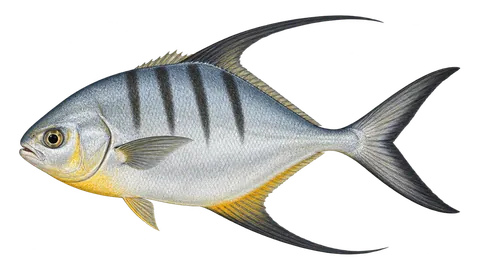
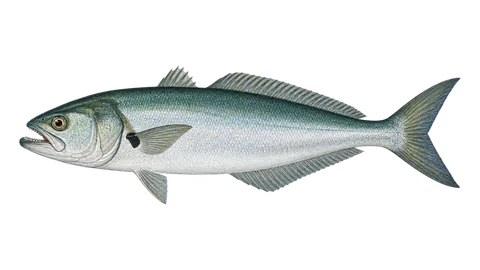
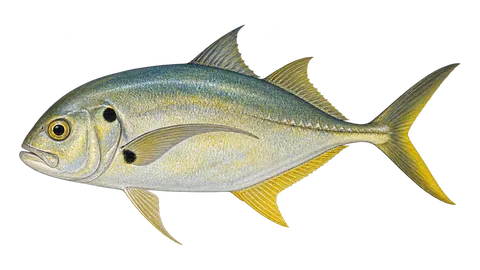
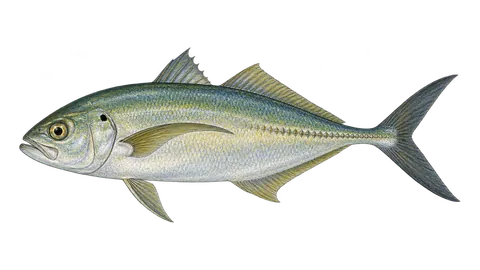
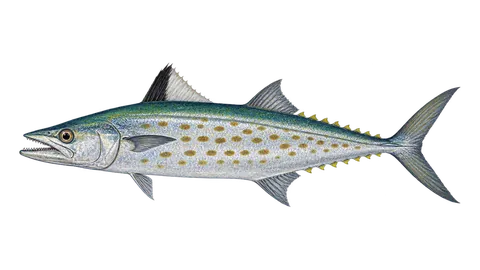
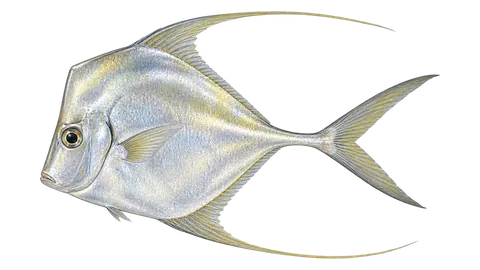
- jetties and rocky shore (bluefish, crevalle jack, sororoca)
gear
Rod 6'0" to 7'0", fast or moderate-fast action (moderate forgives more with treble hooks and braid), 10-20 lb to 15-30 lb; low-profile baitcasting reel 100 to 200 or spinning reel 2500 to 4000; braid 15 to 40 lb; fluorocarbon leader 20 to 50 lb, 60 cm to 1.5 m; thin or coated steel for dorado, cachorra, piranha, sororoca and bluefish. Use a strong snap without swivel on lipped lures; swivel only on spoons and spinners.
baits and lures
- minnow and jerkbait with lip, 7 to 15 cm
- crankbait with short and long lip
- lipless (rattlin)
- spinnerbait with Colorado and Willow blades
- spoon 5 to 40 g
- spinner no. 0 to 4
- silicone shad on jig head, on retrieve
- artificial shrimp (shrimp)
- fly streamer
how to do it
- Choose depth before color: a short-lip crankbait works shallow (0.5 to 1.5 m) and a long-lip one dives to 2 to 4 m or more; lipless and spoons sink depending on how long you count.
- Cast parallel to the bank, the cutbank or the channel to keep the lure longer in the zone where the fish are.
- Minnow and crankbait: steady retrieve, varying the speed. Brush the lip against a log or rock on purpose: the impact and deflection trigger the strike.
- Jerkbait: two or three hard jerks with the rod tip down, then a pause. Warm water, short pause; cold water, pauses of several seconds. Most strikes come on the pause.
- Spoon and spinner in the river: cast upstream or across and retrieve a bit faster than the current, feeling the vibration.
- Spinnerbait: steady retrieve just under the surface or very slow, until the blade barely turns, through branches and vegetation.
- With treble hooks, set firmly to the side taking up the slack, without a violent jerk that tears the mouth.
common mistakes
- Work the lure above or below where the fish are: check the working depth on the package.
- Always retrieve at the same speed.
- Using a swivel on lipped lures kills the action. Use a snap or loop knot.
- Forgetting the wire leader with toothy fish.
- Changing color before changing depth and speed.
species
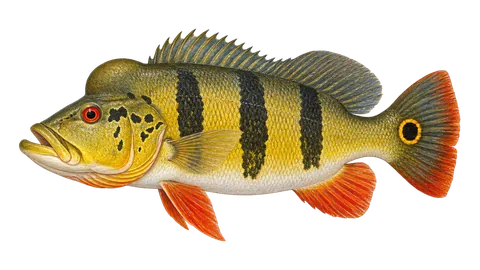
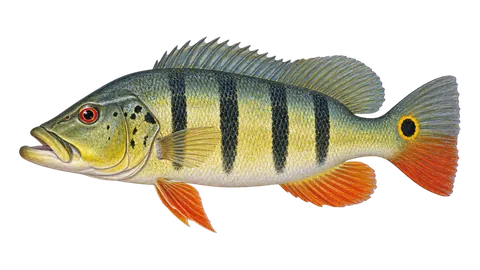
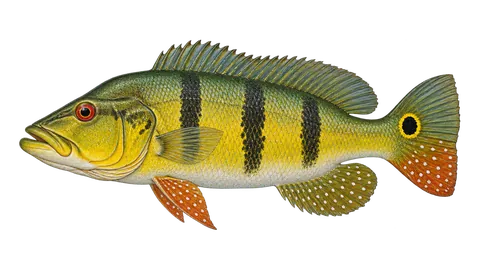
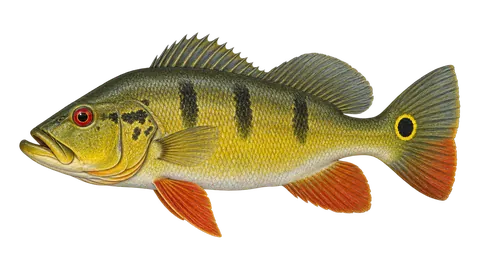
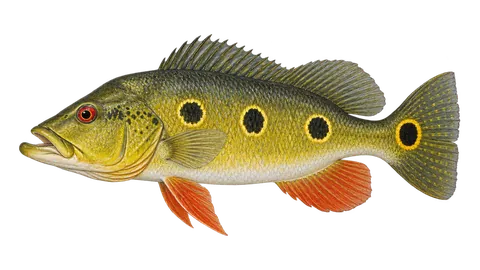
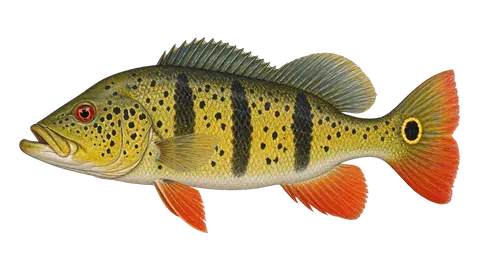
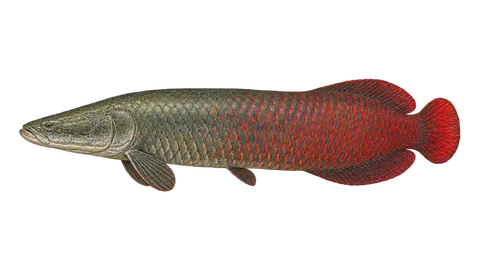
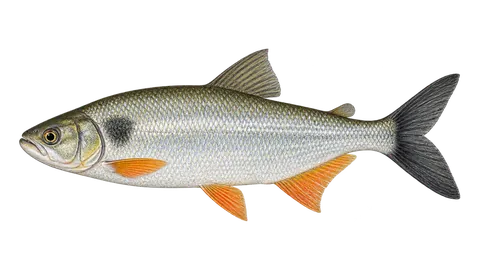
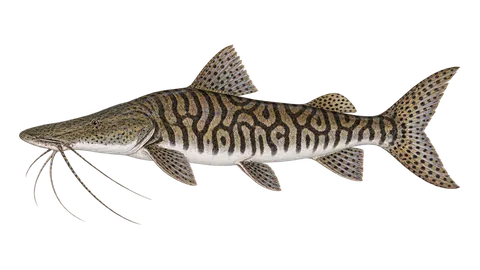
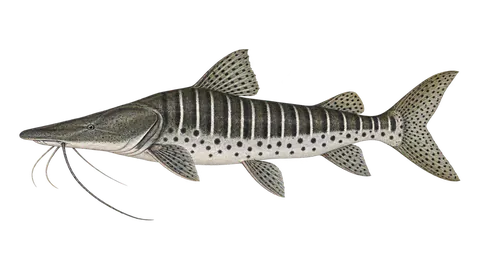
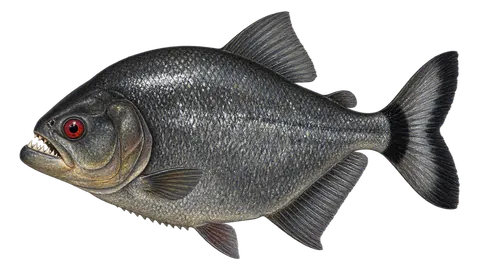
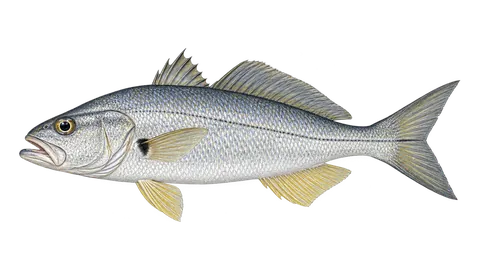
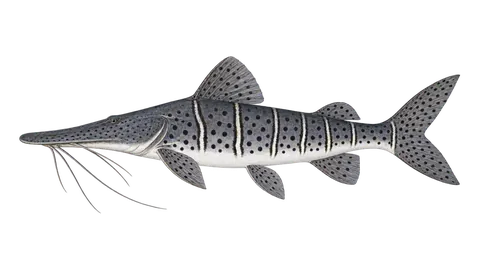
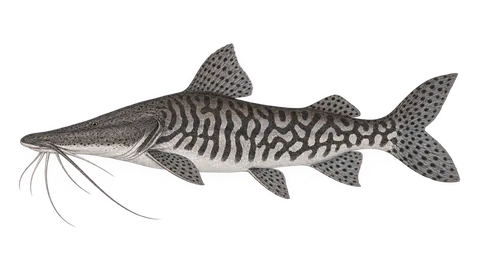
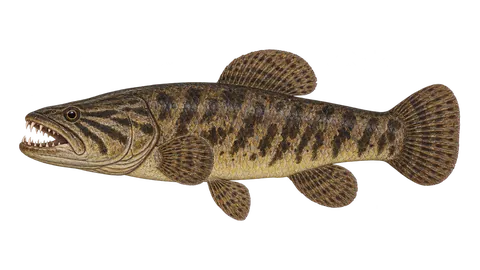
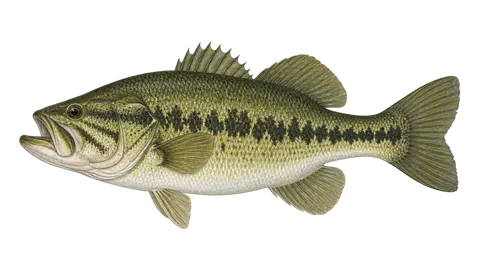
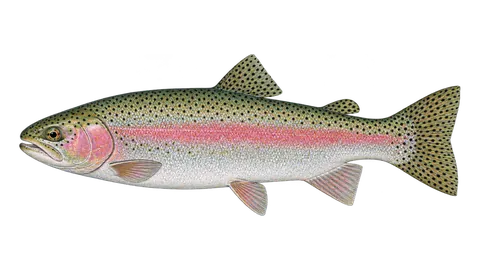
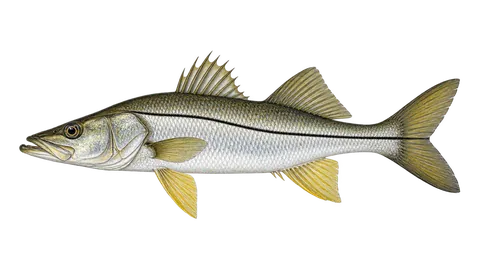
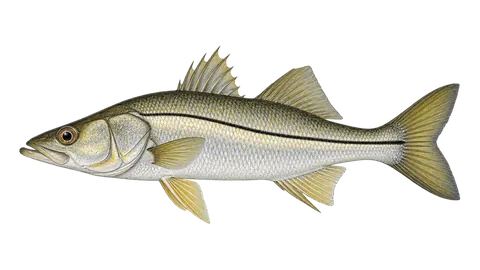
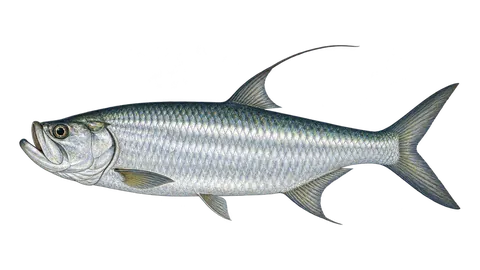
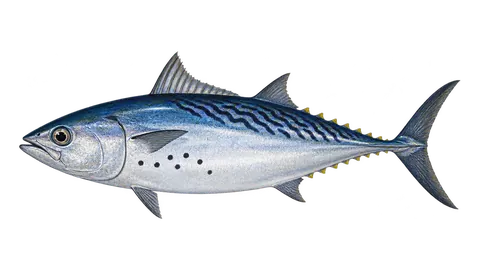
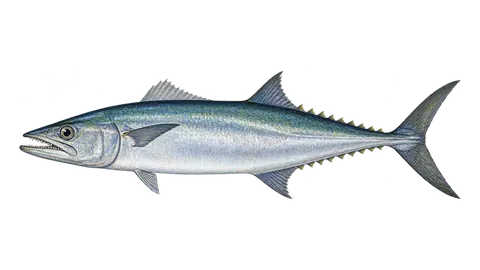
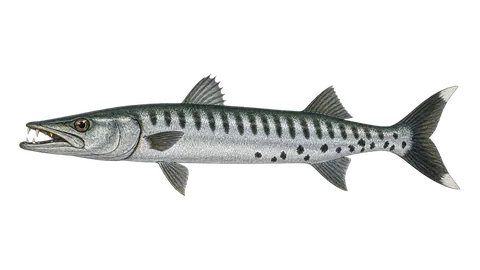
ready-made kits
guides to practice
how to work artificial lures
technical · 5 minprecision casting
technical · 5 minhow to read the river
gear · 4 minhow to read a rod: action, power and line rating
gear · 6 minspinning reel: setting up, adjusting and caring for it
gear · 5 minbaitcasting reel: setting up and casting without backlash
sources and references
- technical Schultz, K. Ken Schultz's Fishing Encyclopedia: Worldwide Angling Guide. IDG Books
- scientific Brownscombe, J.W.; Danylchuk, A.J.; Chapman, J.M.; Gutowsky, L.F.G.; Cooke, S.J. (2017). Best practices for catch-and-release recreational fisheries – angling tools and tactics. Fisheries Research 186: 693–705
- scientific Thomé-Souza, M.J.F.; Maceina, M.J.; Forsberg, B.R.; Marshall, B.G.; Carvalho, A.L. (2014). Peacock bass mortality associated with catch-and-release sport fishing in the Negro River, Amazonas State, Brazil. Acta Amazonica 44(4): 527–532Mortality of 2.3% to 5.2% within 72 h for speckled peacock bass, butterfly peacock bass and popoca caught on artificial lures in the Rio Negro.