

surface casting
Lures that work the surface film (zara, prop bait, popper, stickbait, frog) to trigger the predator's explosive visual strike.
when to use it
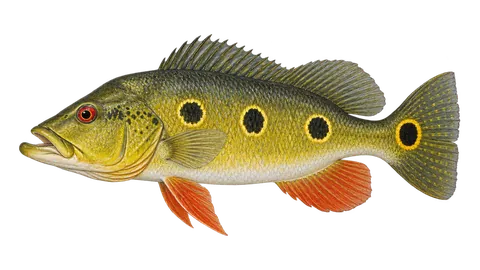
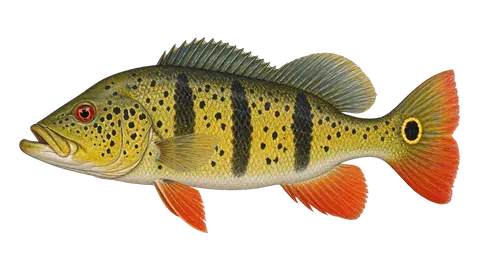
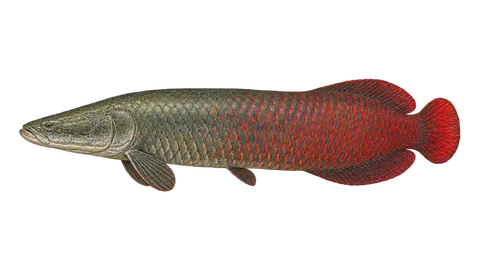
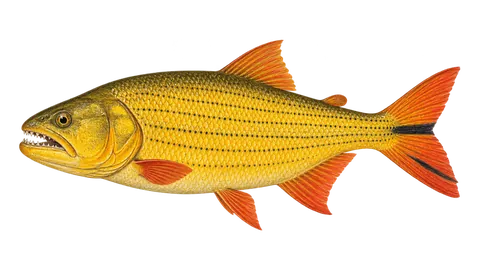
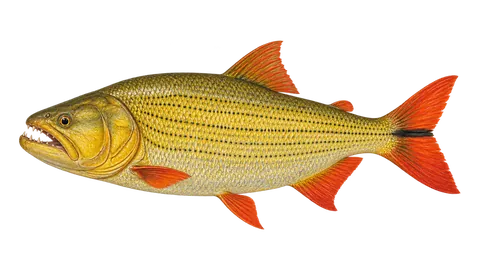
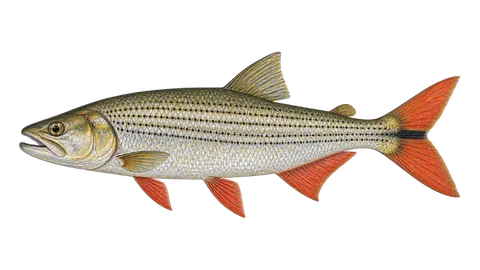
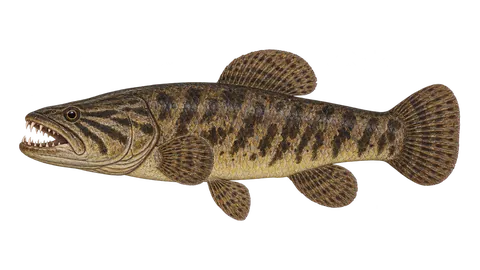
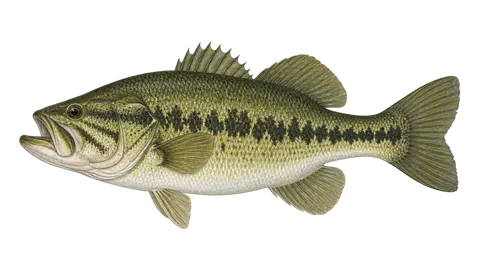
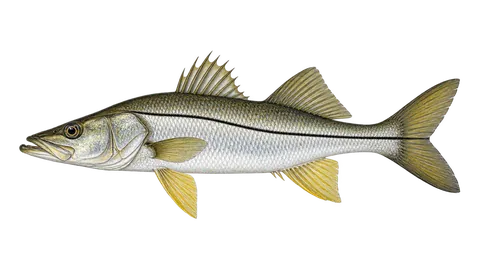
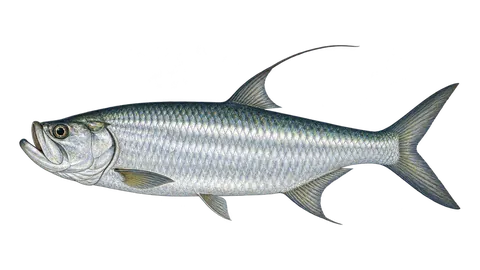
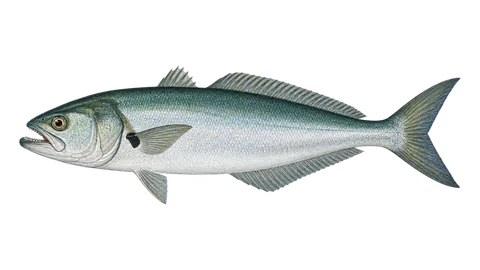
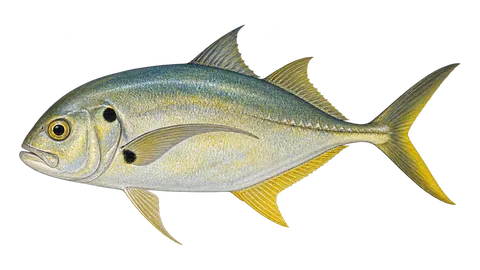
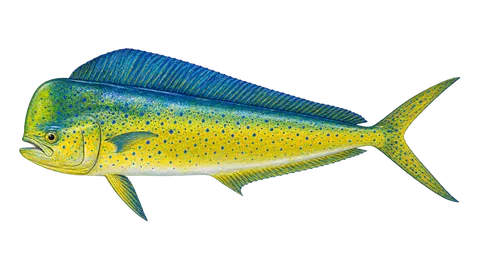
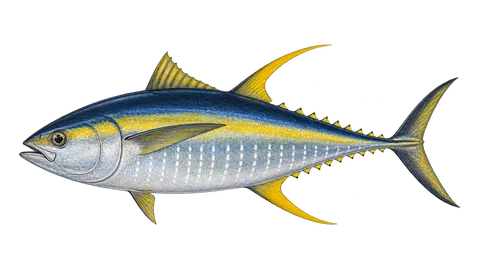
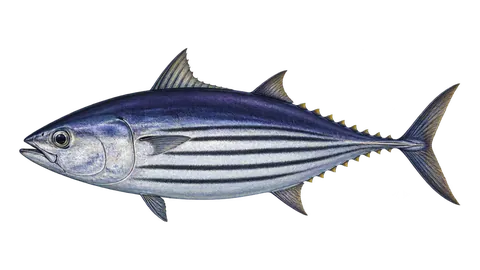
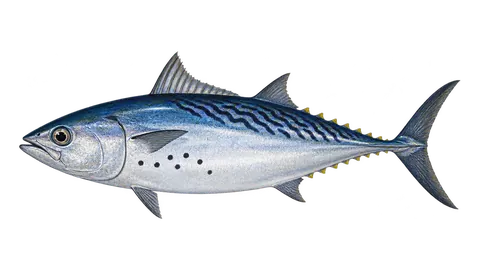
Active fish hunting in the shallows: water within the species' ideal range, early morning, late afternoon, cloudy days and light chop. It's the classic way to fish for peacock bass, trahira and trairão, dorado in shallow water, snook at dawn, and crevalle jack and tuna at feeding boils. With midday sun, cold water or the day after a cold front, it pays off little: go down to mid-water or bottom.
where to look
- beach edges and dry-season points (peacock bass)
- sunken logs, stake fields and shallow timber
- water hyacinth edges, grass and baceiro
- lake and igarapé mouths
- eddy at the outflow of rapids (dorado)
- mangrove roots and bridge pilings at dawn (snook)
- rocky shore foam and bait boils at sea
gear
Freshwater: baitcasting or spinning rod 5'6" to 6'6", fast action, 12-25 lb (yellow peacock bass, trahira) to 20-40 lb (speckled peacock bass, trairão); low-profile baitcasting reel 100 to 300 with a 7:1 gear ratio or higher, or spinning reel 3000 to 4000; braid of 30 to 65 lb; mono or fluorocarbon leader of 30 to 80 lb, 60 to 100 cm; thin wire where piranha and cachorra are present. Saltwater (popping): rod 7'6" to 8'0", PE 4 to 8, spinning reel 8000 to 20000, braid PE 4 to 8 and leader of 80 to 130 lb. Reinforced treble hooks (3X or 4X) with rings of the same strength, or a single hook, preferably barbless.
baits and lures
- zara (surface stickbait) 7 to 15 cm
- single or double prop bait
- popper
- stickbait and popping pencil (saltwater)
- frog (hollow frog) and silicone frog with offset hook
- buzzbait
- popper and fly gurgler
how to do it
- Choose the lure by fish activity: prop baits and poppers make more noise and call from far away; zara zigzags and covers water; frogs and silicone frogs pass over vegetation.
- Cast past the target and bring the lure into the strike zone (shade, log, point, edge of the water hyacinth) instead of dropping it on top of the fish.
- Stop the line before the lure hits the water and start working it right away: many strikes come in the first few meters.
- Zara: rod tip down, short rhythmic twitches, taking up only the slack. Leave the line slightly loose between twitches so the lure turns sideways.
- Prop bait and popper: pulls that splash water, with pauses of 1 to 3 seconds. Faster with active fish; longer pauses in still or cold water.
- On the blowup, don't set the hook at the noise. Keep working the lure until you feel weight on the rod, then set the hook firmly, sideways, taking up the slack.
- If the fish missed, don't stop the lure. If it doesn't come back, cast again to the same spot with a smaller lure or a slower retrieve.
- Once hooked, lower the rod tip and turn the fish's head away from the structure in the first few seconds.
common mistakes
- Set the hook on the splash and take the lure out of the fish's mouth.
- Work the zara with the line tight: it swims straight and doesn't call fish.
- Fishing for strong fish with treble hooks and thin original rings.
- Keep working the surface under midday sun, in cold water or after a cold front.
- Throwing the lure right on top of the fish or the spot and spooking the area.
- Short or too-thin leader in timber and rock.
species
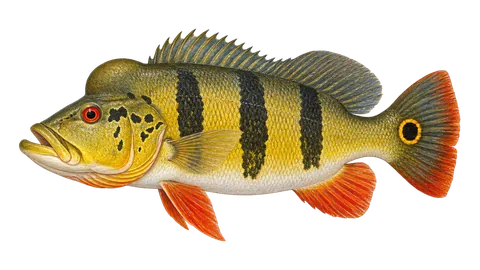
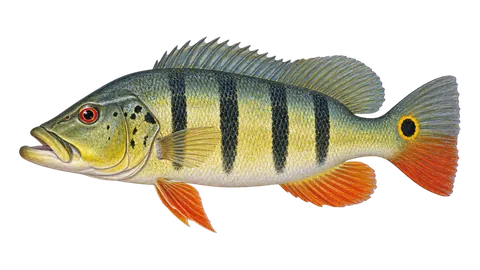
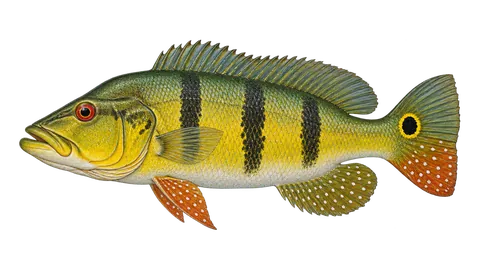
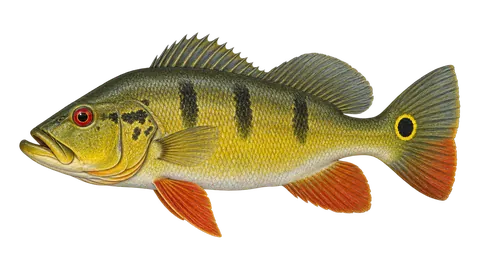
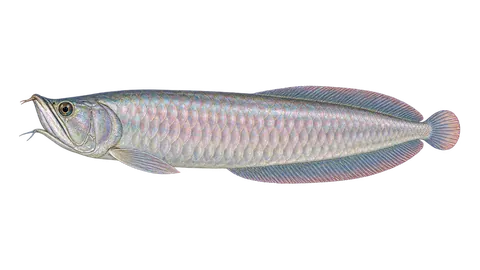
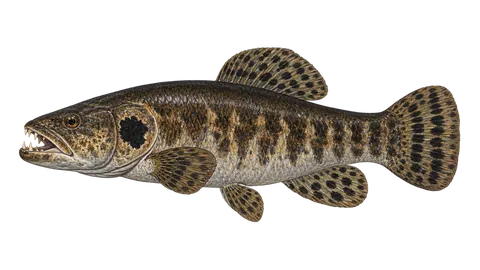
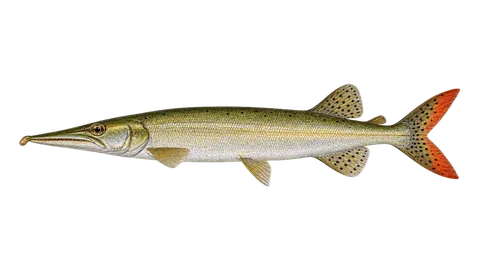
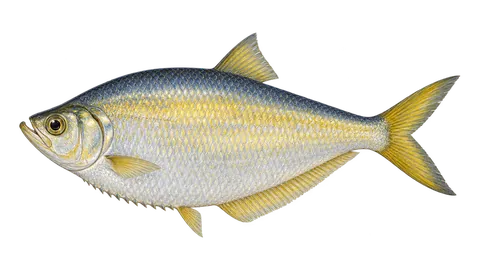
ready-made kits
guides to practice
precision casting
technical · 4 minhow to work artificial lures
gear · 5 minbaitcasting reel: setting up and casting without backlash
gear · 4 minhow to read a rod: action, power and line rating
boating and travel · 4 minbow-mount electric motor
conservation · 5 mincatch and release done right
sources and references
- scientific Thomé-Souza, M.J.F.; Maceina, M.J.; Forsberg, B.R.; Marshall, B.G.; Carvalho, A.L. (2014). Peacock bass mortality associated with catch-and-release sport fishing in the Negro River, Amazonas State, Brazil. Acta Amazonica 44(4): 527–532Mortality of 2.3% to 5.2% within 72 h for speckled peacock bass, butterfly peacock bass and popoca caught on artificial lures in the Rio Negro.
- scientific Brownscombe, J.W.; Danylchuk, A.J.; Chapman, J.M.; Gutowsky, L.F.G.; Cooke, S.J. (2017). Best practices for catch-and-release recreational fisheries – angling tools and tactics. Fisheries Research 186: 693–705
- technical Schultz, K. Ken Schultz's Fishing Encyclopedia: Worldwide Angling Guide. IDG Books
- technical Keep Fish Wet — boas práticas de captura, manuseio e soltura